
Companion Plants
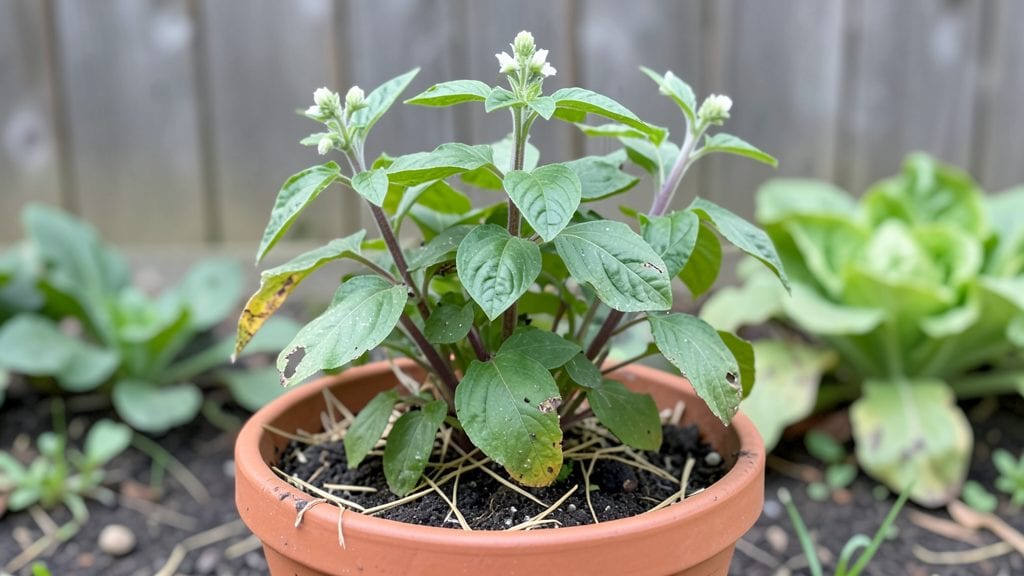
Identifying herb plants by leaf shape and smell is the fastest way to avoid kitchen disasters. I’ve spent years confusing basil for sage and mint for oregano—until I learned to trust my eyes and nose first.
The key? Leaf edges, vein patterns, and that unmistakable aroma when you crush a stem.
Take basil: broad, slightly fuzzy leaves with a bright green sheen and a peppery scent that explodes when bruised. Sage, on the other hand, has narrow, gray-green needles and smells like pine when rubbed.
These differences matter when you’re picking herbs for cooking—or worse, weeding out the wrong plant from your garden. A magnifying glass or a free plant ID app can help spot details you’d miss otherwise.
Once you recognize the shapes and scents, you’ll harvest at the right time—basil thrives when leaves are fully unfurled, while mint should be clipped just as buds form. The payoff? No more mystery plants in your pots, and every dish gets the real flavor you intended.
This works for beginners and seasoned gardeners alike—just start with the herbs you already grow. Confidence comes from practice, and soon you’ll spot the differences without even thinking. Ready to stop guessing?
Common Mistakes in Plant ID
Misidentifying herb plants can happen for several reasons, often rooted in botanical science and human perception. Understanding these causes helps you avoid errors and confidently recognize herbs in your garden or wild spaces. Here’s why it happens—and how to fix it.
Herbs often share similar leaf shapes, but their arrangement on the stem (called "phyllotaxy") is a game-changer. For example:
- Opposite leaves (like mint or basil) grow in pairs directly across from each other.
- Alternate leaves (like rosemary or thyme) spiral up the stem in a staggered pattern.
- Whorled leaves (like some wild chervil) grow in a circular cluster around a single point.
Why it happens: Many gardeners focus solely on leaf shape or smell, ignoring how leaves attach to the stem. This oversight can lead to confusion between herbs like cilantro (alternate, lacy leaves) and dill (feather-like but arranged differently).
Actionable fix: Examine 3–4 leaves along the stem before guessing. Use a magnifying glass if needed—herb leaves often have subtle veins or edges (e.g., serrated, lobed, or smooth) that distinguish them.
Smell is a powerful clue, but it’s not foolproof. Some herbs lose their signature aroma when:
- Plants are stressed (drought, overwatering, or poor soil).
- Leaves are old or damaged (oxidized or bruised leaves smell dull).
- Herbs are grown in shade (e.g., rosemary may taste bland if deprived of sunlight).
Why it happens: Volatile oils (the compounds responsible for scent) degrade over time or under suboptimal conditions. For instance, fresh basil smells like anise, but wilted basil might just smell like... water.
Actionable fix:
- Crush leaves between your fingers to release oils—some herbs (like tarragon) only reveal their scent when damaged.
- Compare smells to a reference herb (e.g., sniff fresh oregano next to your unknown plant).
- Avoid identifying herbs after rain—water dilutes aromatic compounds.
Many edible herbs have wild relatives that look nothing like their garden counterparts. For example:
| Cultivated Herb | Wild Relative | Key Difference |
|---|---|---|
| Dill (Anethum graveolens) | Wild dill (Anethum sylvestre) | Wild dill has hairy stems and a bitter taste. |
| Cilantro (Coriandrum sativum) | Coriander (Coriandrum sativum, same species but different stage) | Cilantro = leaves; coriander = seeds. Wild versions may have deeply lobed leaves. |
| Lavender (Lavandula angustifolia) | Wild lavender (Lavandula latifolia) | Wild lavender has broader leaves and a camphor-like scent. |
Why it happens: Humans selectively bred herbs for milder flavors and easier growth, but their wild ancestors retain tougher, more variable traits. Without knowing the plant’s origin, you might mistake a wild herb for a poisonous lookalike (e.g., hemlock vs. wild celery).
Actionable fix:
- Check the plant’s growth habit. Wild herbs often have thicker stems, smaller flowers, or more aggressive spread.
- Use a field guide or app (like iNaturalist) to cross-reference wild vs. cultivated traits.
- When in doubt, taste a tiny amount (if safe)—bitter or soapy flavors signal a wild or toxic plant.
Flowers and seeds are often the most reliable identifiers for herbs, yet they’re frequently overlooked because they appear seasonally. Key examples:
- Basil has tiny white flowers in clusters; cilantro produces yellow umbrella-shaped flowers.
- Mint flowers are purple or pink spikes; oregano has lavender blooms.
- Dill seeds are oval and ridged; fennel seeds are flat and winged.
Why it happens: Herbs are often harvested before flowering to preserve flavor, so gardeners (and foragers) may never see their diagnostic blooms. Additionally, some herbs (like chives) produce flowers that resemble grass, leading to misidentification.
Actionable fix:
- Let a small patch of the herb flower to confirm its ID.
- Press flowers between pages of a book to preserve them for later comparison.
- Use a dissecting loupe to examine seed heads—some herbs (like anise) have seeds that look identical to their cultivated cousins.
Some herbs develop unusual colors, textures, or growth patterns when stressed, which can trick identifiers into thinking they’re poisonous. For example:
- Yellowing leaves (chlorosis) in rosemary or thyme might resemble fool’s parsley (a toxic lookalike).
- Purple stems in basil (from phosphorus deficiency) can mimic deadly nightshade.
- Curling leaves in mint (from overcrowding) may look like poison hemlock.
Why it happens: Stress triggers secondary metabolites in plants, altering appearance. For instance, wilted parsley can develop a bitter taste similar to water hemlock, a deadly plant.
Actionable fix:
- Check the plant’s habitat. Toxic plants often grow in moist, shady areas; herbs thrive in sunny, well-drained soil.
- Look for multiple identifying traits (e.g., leaf shape + smell + growth pattern).
- When unsure, <
Quick Fixes for Confusing Herb ID
Mistaking one herb for another can happen to even the greenest thumbs—but don’t worry! With a few simple tricks, you can quickly identify and separate your herbs like a pro.
Below, we’ve mapped common confusion points to practical fixes, plus prevention tips to keep your garden (and your spice cabinet) organized.
Problem: Basil vs. mint, oregano vs. thyme—these herbs often share similar leaf shapes, making ID a guessing game.
Fix:
- 🔍 Smell Test First – Crush a leaf between your fingers. Basil smells sweet and peppery, while mint has a sharp, cooling aroma. Oregano is earthy and slightly bitter, while thyme is more floral and piney.
- 🌱 Leaf Arrangement Check – Basil leaves grow in opposite pairs along the stem, while mint leaves spiral upward. Oregano has fuzzy, oval leaves, whereas thyme leaves are tiny and needle-like.
- 🌱 Root or Stem Inspection – Dig up a small section if needed. Basil has square stems (like mint), while oregano and thyme have round, woody stems.
💡 Prevention Tip: Label plants at soil level (not just stakes) with waterproof tags before they get too bushy. Use color-coded tags (e.g., green for basil, purple for mint) for a visual shortcut.
Problem: Some herbs only reveal their true identity when they bloom—but by then, it’s too late for culinary use!
Fix:
- 🌸 Observe Flower Clusters –
- Dill has flat, umbrella-like yellow blooms.
- Cilantro turns into coriander with delicate white flowers.
- Lavender has tight purple spikes, while rosemary has tiny blue-pink flowers.
- 📅 Harvest Before Blooming – Most herbs lose flavor once they flower. Pinch off buds regularly to encourage leaf growth.
💡 Prevention Tip: Deadhead (remove spent flowers) to redirect energy to leaves. For perennials like rosemary, prune in early spring to keep them bushy and flavorful.
Problem: Some herbs (like tarragon vs. wormwood) have subtle scents that even experienced gardeners mix up.
Fix:
- 🍽️ Taste Test (Safely!) – A tiny leaf between your teeth can reveal bitter (wormwood) vs. anise-like (tarragon) flavors. ⚠️ Warning: Some herbs (like foxglove or hemlock) are toxic—never taste the unknown!
- 📏 Leaf Shape & Texture –
- Tarragon: Long, narrow, smooth leaves (like a lighter sage).
- Wormwood: Fuzzy, gray-green, and deeply lobed.
- 🌱 Growth Habit – Tarragon spreads via rhizomes (underground stems), while wormwood grows upright with a woody base.
💡 Prevention Tip: Keep a small herb ID chart near your garden or kitchen. Snap a photo of each plant at planting time and save it in a labeled album on your phone.
Problem: Herbs in pots can cross-pollinate or overtake each other, making ID impossible.
Fix:
- 🪴 Separate by Family –
- Mint family (mint, basil, oregano): Needs own containers—they spread aggressively!
- Lamiaceae (thyme, rosemary, lavender): Can share pots but prune regularly.
- 🌱 Thin Out Seedlings – If growing from seed, remove weak plants early to avoid confusion.
- 🔄 Rotate Pots – Move containers occasionally so you’re not just relying on memory.
💡 Prevention Tip: Divide clumping herbs (like chives or tarragon) every 2-3 years to prevent overcrowding. Use self-watering pots with drainage to keep roots healthy.
If you’re still stumped, try this:
- 📸 Snap a photo and compare it to a reliable herb ID app (like PictureThis or PlantNet).
- 🌱 Transplant a cutting into a separate pot and observe its growth over a week.
- 🔄 Ask a local nursery—they often have experts who can ID herbs on the spot.
💡 Pro Tip: If you must guess, basil and mint are the safest bets for cooking—even if misidentified, they’re usually edible (just check for pests first!). Avoid using unknown herbs in large quantities until confirmed.
Frequently asked questions
How can I tell the difference between basil and oregano just by looking?
Basil has broad, slightly fuzzy leaves with a bright green sheen and square stems, while oregano features tiny, fuzzy oval leaves with woody stems. Crush a leaf—basil smells sweet and peppery, while oregano has an earthy, slightly bitter aroma. Pro tip: Basil leaves grow in opposite pairs, while oregano leaves are staggered along the stem.
What’s the best way to identify herbs if I don’t have a garden?
Use a free plant ID app like PictureThis or PlantNet—just snap a photo of the leaves and flowers. For store-bought herbs, check the packaging for scientific names (e.g., Ocimum basilicum for basil). If foraging, always cross-reference with a field guide before tasting anything unfamiliar. Remember: Never eat wild herbs unless you’re 100% sure!
Why does my mint smell weaker than it should?
Mint’s signature aroma fades when plants are stressed—overwatered, underwatered, or shaded. Crush fresh leaves to release oils, or compare it to a known mint plant. If it still smells dull, try moving it to full sun and prune it back by one-third to encourage new growth. Overcrowded mint also loses potency, so divide clumps every 2-3 years.
Can I use leaf shape alone to identify herbs?
No—leaf shape is just one clue! Always combine it with scent, stem type, and growth habit. For example, both dill and cilantro have lacy leaves, but dill’s are broader with toothed edges, and cilantro’s are more delicate. Use a magnifying glass to spot subtle differences in veins or leaf edges. When in doubt, let the plant flower—many herbs have distinctive blooms that reveal their true identity.
What’s the quickest way to confirm if an unknown herb is safe to eat?
Start with a tiny taste test (just a pinch!) and wait 15 minutes for reactions. Compare it to a known safe herb (like basil or mint) for scent and texture. If unsure, avoid eating it—some wild lookalikes (like hemlock) are deadly. For peace of mind, use a herb ID app or consult a local nursery expert before harvesting. When in doubt, grow a reference plant in your garden for future comparisons!