
Plants
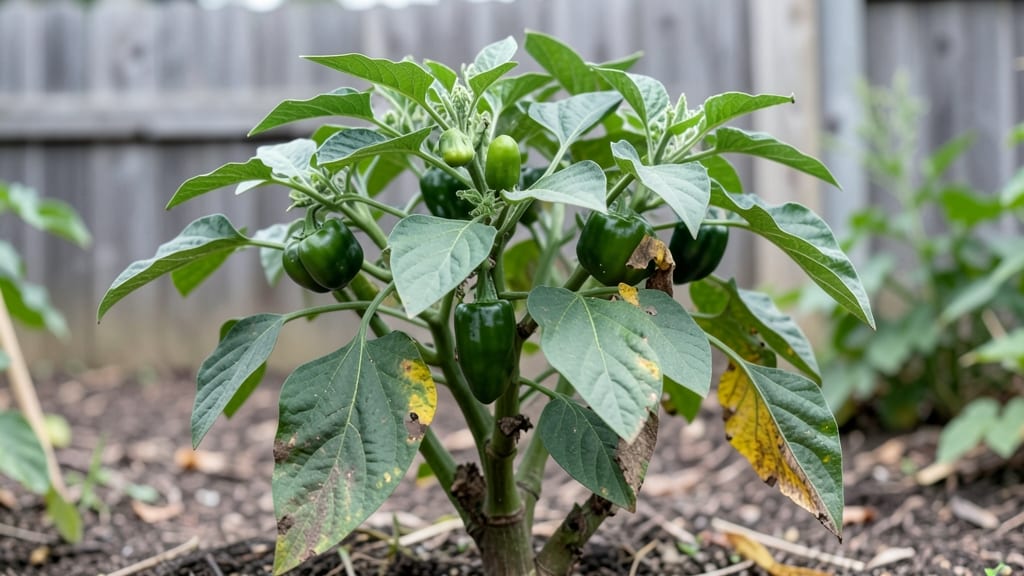
Your jalapeño plant wilting isn’t a death sentence—it’s a cry for help. 🌱 I’ve nursed back more droopy peppers than I can count, and the first step is figuring out whether your plant is thirsty, drowning, or fighting off something sneaky like bacterial wilt.
The fix often comes down to three simple adjustments that make all the difference.
The most common culprits are overwatering (which chokes roots) or underwatering (which makes leaves crisp like autumn air). Check the soil—if it’s soggy or smells foul, you’ve got root rot. If it’s bone-dry an inch below the surface, your plant’s screaming for moisture.
Environmental stress—like sudden heat waves or windburn—can also leave plants looking defeated, but they bounce back fast with the right care.
By the end of this, you’ll know exactly how to revive your jalapeño—whether that means adjusting your watering schedule, improving drainage, or giving it a nutrient boost. The key is acting fast before the problem spreads. Let’s turn that wilt into a comeback story.
This works for container-grown peppers, in-ground plants, and even those stubborn greenhouse varieties that seem to wilting just for fun. The same principles apply whether you’re dealing with a single plant or a whole patch. Ready to save your harvest?
Root Causes Behind Wilting Jalapenos
Understanding why your jalapeño plant is wilting starts with identifying the hidden stressors at play. Wilting isn’t just a random sign of distress—it’s your plant’s way of signaling specific problems.
Below, we break down the most common culprits, backed by science, so you can diagnose and fix the issue fast.
💦 The silent killer of jalapeños
Jalapeños thrive in well-draining soil but drown when roots sit in soggy conditions. Overwatering or compacted soil traps excess moisture, cutting off oxygen to the roots—a condition called anaerobic stress. Without oxygen, roots can’t absorb water or nutrients, leading to wilting even when the soil feels damp.
Why it happens:
- Waterlogged soil triggers root rot (Phytophthora or Pythium fungi), which clogs root cells and blocks water uptake.
- Clay or dense soil holds water like a sponge, suffocating roots.
- Lack of drainage holes in pots forces water to pool at the bottom.
🔍 Quick test: Stick your finger 2 inches into the soil. If it’s wet after 24 hours, you’re overwatering.
🌡️ When thirst meets scorching sun
Jalapeños are drought-tolerant but wilting under extreme heat or dehydration is a clear SOS. Their thick leaves lose moisture faster than roots can replenish it, causing temporary wilting (often in the afternoon). If left unchecked, cells collapse permanently.
Why it happens:
- High temperatures (above 90°F/32°C) increase transpiration (water loss through leaves) faster than roots can absorb.
- Shallow root systems in young plants struggle to reach deep moisture.
- Hardened soil repels water, making it hard for roots to soak up what’s available.
💡 Pro tip: Mulch with straw or wood chips to retain soil moisture and protect roots from heat.
📊 Hungry roots can’t hold water
Wilting can stem from nutrient deficiencies, particularly potassium, calcium, or nitrogen, which regulate water retention and cell structure. A lack of these nutrients weakens the plant’s osmotic pressure, making it harder to absorb water from the soil.
Why it happens:
- Potassium deficiency disrupts water movement in cells, leading to leaf scorch and wilting.
- Calcium deficiency causes blossom-end rot in fruits and weakens cell walls, making leaves flop.
- Nitrogen starvation stunts growth, reducing the plant’s ability to sustain itself during heatwaves.
🔬 Soil test insight: A simple DIY test kit can reveal if your soil lacks key minerals. Amend with compost or balanced fertilizer (like 10-10-10) if needed.
🐜 Sneaky invaders stealing your plant’s strength
Pests like aphids, spider mites, or root-knot nematodes drain sap and damage vascular tissues, disrupting water flow. Diseases such as bacterial wilt or fusarium block xylem vessels, preventing water from reaching leaves.
Why it happens:
- Sap-sucking pests (e.g., aphids) inject toxins that cause wilting and yellowing.
- Root-feeding nematodes create lesions that prevent water absorption.
- Fungal infections (e.g., Verticillium wilt) clog root systems, mimicking drought stress.
🚨 Red flag: Check for sticky residue (honeydew), webbing, or gnarled roots—signs of infestation.
🌬️ When your plant gets whiplash
Sudden changes—like temperature swings, strong winds, or recent repotting—can shock jalapeños into wilting. Their delicate root systems struggle to adapt, leading to transient wilting as they adjust.
Why it happens:
- Cold drafts (below 50°F/10°C) slow metabolic processes, causing physiological drought.
- Windburn increases water loss from leaves faster than roots can compensate.
- Root disturbance during transplanting severs fine root hairs, temporarily halting water uptake.
✨ Recovery hack: After repotting, mist leaves daily and avoid fertilizing for 2 weeks to reduce stress.
🪨 When roots can’t breathe
Over time, soil compacts or roots outgrow their pot, strangling the plant’s ability to absorb water. Roots become root-bound, circling the pot and choking off oxygen and nutrients.
Why it happens:
- Tight pots restrict root growth, leading to wilting even with regular watering.
- Heavy foot traffic or machinery compacts garden soil, crushing roots.
- Old, exhausted soil lacks aeration, suffocating roots.
🔥 Fix it fast: Gently loosen roots if repotting, or top-dress with perlite to improve aeration.
Revive Your Jalapeño Plant Fast
A wilting jalapeño plant isn’t a death sentence—it’s a call to action! Whether your plant is drooping from thirst, stress, or disease, these targeted fixes will help it bounce back to healthy, pepper-producing glory.
Below, we break down the most common causes and their step-by-step solutions, plus pro tips to keep your plant thriving long-term.
Signs: Yellowing leaves, mushy stems, or soil that smells sour.
How to Fix It:
- 🚰 Stop Watering Immediately – Let the soil dry out completely before watering again.
- 🌱 Repot if Necessary – If roots are rotting, trim away the black/mushy sections with sterilized scissors and repot in fresh, well-draining soil.
- 🏺 Improve Drainage – Add perlite or sand to the soil mix (aim for 60% potting soil, 30% perlite, 10% compost).
- 🕒 Water Only When Needed – Stick your finger 1-2 inches deep—water only if it’s dry.
💡 Prevention Tip: Use pots with drainage holes and avoid saucers that trap excess water.
Signs: Crispy leaf edges, dry soil pulling away from the pot, or leaves curling inward.
How to Fix It:
- 💦 Deep Watering – Soak the soil until water runs out the drainage hole (about 10-15 minutes).
- 🌿 Trim Damaged Leaves – Snip off brown/crispy leaves to redirect energy to recovery.
- 🕒 Adjust Your Schedule – Water 2-3 times per week (more in heatwaves, less in cool weather).
- 🌱 Mulch to Retain Moisture – Sprinkle a thin layer of straw or shredded leaves around the base (but not touching the stem).
💡 Prevention Tip: Group jalapeños with other plants to create a microclimate that holds humidity.
Signs: Wilting in heat, leaf scorch (brown patches), or slow growth in cold drafts.
How to Fix It:
- 🌞 Move to Ideal Conditions – Jalapeños love full sun (6+ hours/day) but need afternoon shade in scorching climates (90°F+).
- 🧊 Protect from Cold – Keep indoors or in a greenhouse if temps drop below 50°F at night.
- 💨 Improve Airflow – Place a small fan nearby (on low) to prevent heat stress.
- 🌱 Adjust Watering for Weather – Water more in heat, less in humidity.
💡 Prevention Tip: Use lightweight row covers in early spring to shield from late frosts.
Signs: Holes in leaves, sticky residue (aphids), or white powdery mold (powdery mildew).
How to Fix It:
- 🐜 Isolate the Plant – Move it away from others to prevent spread.
- 🧼 Spray with Neem Oil – Mix 1 tsp neem oil + 1 tsp mild soap in 1 quart water, spray every 3-4 days until pests vanish.
- 🌿 Prune Infected Areas – Cut off heavily damaged leaves and dispose of them (don’t compost!).
- 🍄 Treat Fungal Issues – Sprinkle baking soda (1 tsp per gallon of water) or copper fungicide on leaves.
💡 Prevention Tip: Rotate crops—don’t plant jalapeños in the same spot yearly to break disease cycles.
Signs: Pale yellow leaves (nitrogen deficiency), weak stems, or slow growth.
How to Fix It:
- 🍽️ Fertilize Lightly – Use a balanced fertilizer (10-10-10) or compost tea every 4-6 weeks during growing season.
- 🥬 Avoid Over-Fertilizing – Too much nitrogen = leafy growth, fewer peppers!
- 🌿 Boost with Epsom Salt – For magnesium deficiency (yellow patches between veins), mix 1 tbsp Epsom salt in a gallon of water and spray leaves.
💡 Prevention Tip: Test your soil every 2-3 years—jalapeños thrive in slightly acidic soil (6.0-7.0 pH).
Signs: Wilting after repotting, slow regrowth, or drooping new leaves.
How to Fix It:
- 🌱 Wait Before Watering – Hold off for 3-5 days to avoid root rot.
- 🌿 Trim Damaged Roots – If repotting, gently rinse roots and snip any black or mushy sections.
- 🌡️ Keep It Cozy – Place in a shady spot for 1-2 weeks to reduce stress.
- 💧 Water Gently – Use a spray bottle for the first few days to avoid disturbing soil.
💡 Prevention Tip: Repot in spring (not mid-summer) when roots are actively growing.
✅ 🌿 Prune Regularly – Pinch off flowers if your plant is weak (save energy for roots first). ✅ 🕒 Consistency is Key – Stick to a watering/feeding schedule—plants hate unpredictability! ✅ 🌱 Monitor Soil – Use a moisture meter to avoid guesswork. ✅ 🔄 Rotate Pots – Turn the pot quarter-turn weekly for even sun exposure.
With these fixes, your jalapeño should perk up in 7-14 days—and if not, don’t panic! Sometimes plants need a full reset (like a fresh pot and a patient wait). 🌱🔥 Your spicy harvest is worth the effort!
Frequently asked questions
Why does my jalapeño plant wilt even after watering?
Overwatering is the most common culprit—soggy soil cuts off oxygen to roots, causing root rot. Check if the soil smells foul or feels mushy 1-2 inches deep. If so, stop watering immediately and repot in fresh, well-draining mix with perlite. Wilting can also happen if roots are root-bound or blocked by compacted soil.
Can jalapeño plants recover from wilting caused by heat stress?
Yes! Move your plant to partial shade during peak afternoon heat (90°F+), and water deeply in the morning. Mulch with straw to retain moisture, and avoid fertilizing until it recovers. Most plants bounce back in 3-5 days if given consistent care. A small fan on low can also improve airflow and reduce stress.
How do I tell if wilting is from pests or disease vs. water issues?
Check for visual clues: Pests (like aphids or spider mites) leave sticky residue or webbing, while diseases (e.g., bacterial wilt) cause yellowing veins or oozing stems. Water issues show as even wilting across all leaves—crispy edges mean thirst, mushy stems mean overwatering. Tap leaves gently: if they spring back, it’s likely temporary stress.
Is it too late to save a jalapeño plant with completely wilted, brown leaves?
Not necessarily! If the stems are still firm (not mushy), trim all brown leaves and repot in fresh soil. Place it in bright, indirect light and water lightly until new growth appears. If stems are soft or black, the plant is likely beyond saving—but you can propagate healthy cuttings to grow new plants.
How often should I fertilize a wilting jalapeño plant?
Wait until the plant shows signs of recovery—new leaves or firmer stems. Then, use a balanced fertilizer (10-10-10) diluted to half-strength every 4-6 weeks. Over-fertilizing stressed plants worsens root burn. For nutrient deficiencies, try a compost tea or Epsom salt spray (1 tbsp per gallon) for magnesium.