
Pests
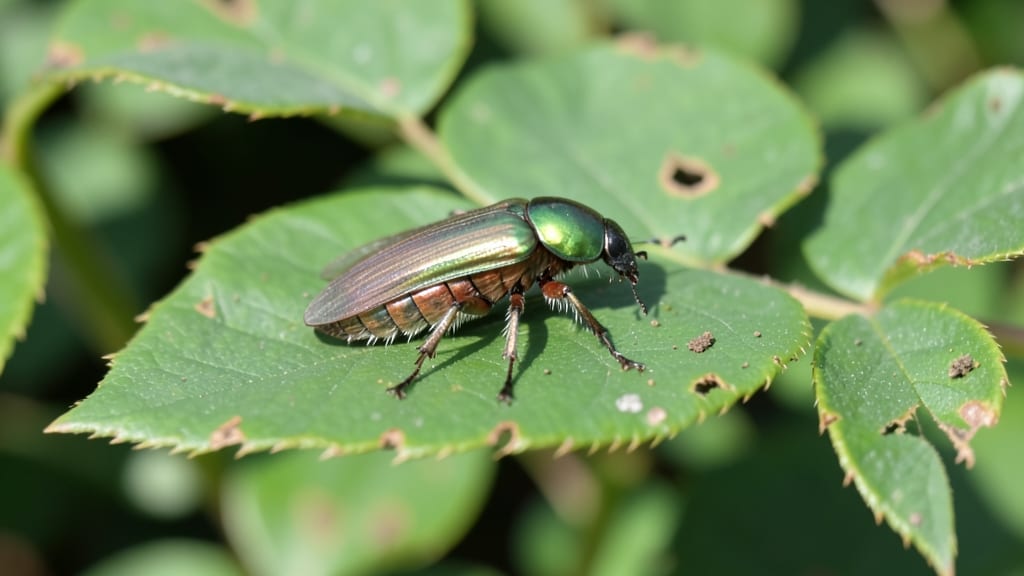
Japanese beetle plants can turn your garden from a thriving oasis into a skeleton of chewed leaves overnight. 🌿 I’ve lost entire rows of roses and vegetables to these striped invaders, but I’ve also discovered plants that make them think twice before landing.
The key isn’t just picking a few tough varieties—it’s creating a layered defense that confuses, repels, and starves them out.
Start with garlic, boxwood, or roses—these are the beetles’ least favorite snacks. Pair them with trap crops like marigolds or nasturtiums to lure beetles away from your prized plants.
I’ve seen entire swarms abandon my garden after just a few days of this strategy. The secret? Plant them in clusters near high-traffic areas where beetles first land.
By combining these beetle-resistant plants with handpicking (drop them in soapy water!) and neem oil sprays, you’ll break their feeding cycle. Within weeks, your garden will rebound with lush, undamaged foliage—no more skeletonized leaves or wilting flowers.
The best part? These methods work without harsh chemicals, keeping your yard safe for kids and pollinators.
Works for vegetable gardens, flower beds, and shrubs alike. Once you’ve set up your defenses, you’ll wonder how you ever struggled with beetles before. Let’s build that barrier together!
The Hidden Reasons Beetles Target Plants
Japanese beetles don’t just randomly feast on your garden—they’re drawn to specific plants for survival and reproduction. Understanding these triggers helps you outsmart them before they cause damage.
Japanese beetles are polyphagous, meaning they eat a wide variety of plants, but they have a strong preference for certain species.
Their menu is packed with: - Rosaceae family plants (roses, raspberries, apples, grapes) – These contain volatile organic compounds (VOCs) like linalool and geraniol, which act like a dinner bell to beetles. - Grasses and turf – Beetles lay eggs in grassy areas, and adult beetles feed on them for quick energy. - Fruiting plants (peaches, plums, beans) – Sugary, soft tissues are irresistible to their chewing mouthparts.
Why it matters: If your garden has even a few of these plants, beetles will treat it like an all-you-can-eat buffet. 🍽️
Japanese beetles rely on chemical cues to locate plants.
Here’s how their senses lead them straight to your garden: - Pheromone trails – Male beetles release aggregation pheromones to attract mates, creating a scent map that other beetles follow. - Plant emissions – Damaged or stressed plants release ethyl acetate and methyl salicylate, signaling beetles that the plant is vulnerable. - Warmth and sunlight – Beetles are most active in 75–90°F (24–32°C) weather.
Sunny, exposed plants (like roses or grapes) heat up faster, making them prime targets.
Pro tip: If you notice beetles swarming a specific plant, check for previous damage—it’s a beacon for more pests. 🚨
Not all plants are equally appealing to Japanese beetles—some are naturally resistant, while others are defenseless. Here’s why: - Lack of natural defenses – Plants like marigolds or garlic produce allelochemicals (like pyrethrins) that repel beetles.
Weak or young plants can’t fight off attacks. - High water content – Succulent, water-rich plants (like beans or grapes) are easier to chew through, making them a high-calorie snack for beetles. - Overcrowding – Dense plantings reduce airflow, creating humid microclimates that beetles prefer for feeding and egg-laying.
Actionable fix: Prune overgrown plants and space them out to reduce beetle attraction. 🌱✂️
Japanese beetles have a symbiotic relationship with other garden pests:
- They hitchhike on pollinators – Beetles often land on flowers while bees are feeding, then move to nearby foliage.
- They follow fungal spores – Some beetles are attracted to plant-pathogenic fungi that thrive on damaged leaves, creating a feedback loop of destruction.
- They target stressed plants – Drought, disease, or poor soil health make plants more attractive to beetles because their defenses weaken.
Key takeaway: A healthy garden ecosystem is your best defense—beetles avoid plants that are already thriving. 🌿💪
Japanese beetles are seasonal invaders, and their activity peaks during:
- Late spring to early fall – When temperatures rise, beetles emerge from pupation in the soil.
- After rain – Moisture softens plant tissues, making them easier to feed on.
- In urban/suburban areas – Lawns and gardens provide ideal breeding grounds with a mix of grasses and flowering plants.
Timing is everything: Monitor beetle activity in June–August and act fast to prevent egg-laying in your soil. ⏳🕳️
Beat Back Beetles Naturally
Japanese beetles may seem unstoppable, but with the right strategies, you can protect your plants without harsh chemicals. Below, we’ve mapped out practical, effective solutions based on the root causes—whether it’s attraction, infestation, or damage. Follow these steps to reclaim your garden!
Stop them before they arrive with these proactive steps.
🔥 Block Their Scent Trail
Japanese beetles are drawn to the smell of flowers, fruits, and even your sweat!
Reduce their interest with: - Plant repellent companions: Interplant with garlic, chives, catnip, or rosemary—these mask attractive scents. - Remove tempting blooms: Cut back roses, grapes, and linden trees (their favorites) during peak beetle season (June–August). - Avoid overwatering: Damp soil attracts beetles—water deeply but less frequently.
🛡️ Create Physical Barriers Keep beetles off plants with these simple shields:
- Floating row covers: Lightweight fabric over young plants blocks beetles while letting sunlight and water through.
- Diatomaceous earth (DE): Sprinkle food-grade DE around plant bases—it’s non-toxic but deadly to beetles’ waxy exoskeletons.
Reapply after rain. - Yellow sticky traps: Place traps away from plants (beetles fly toward yellow, but traps can attract more if too close).
Once beetles arrive, act fast with these targeted fixes.
🍳 Homemade Sprays (Safe & Effective)
Mix these in a spray bottle and apply early morning or late evening to avoid harming bees: - Neem oil spray: 1 tbsp neem oil + 1 tsp mild soap + 1 quart water.
Spray every 3–4 days until beetles retreat. - Soap spray: 2 tbsp castile soap + 1 quart water. Test on a few leaves first—some plants (like tomatoes) are sensitive. - Chili pepper spray: Blend 2 habaneros + 1 quart water, strain, and spray. Reapply after rain.
👨🍳 Handpick & Drown
For small gardens, manual removal works best:
- Shake them into a bucket of soapy water (beetles drown instantly).
- Use a vacuum (like a Shop-Vac) to suck them up—empty the bag far from your garden.
- Disrupt their mating: Crush male beetles (they release pheromones that attract more).
🔪 Target Grubs in the Soil
Japanese beetle larvae (grubs) overwinter in lawns. Treat soil in fall or early spring: - Milky spore bacteria: A natural, long-term solution that targets grubs.
Apply to lawns in September (results take 2–3 years). - Beneficial nematodes: Tiny microbes that kill grubs. Water lawns in evening, apply nematodes, then water again (best in late summer/fall). - Aerate & till: Breaks up soil, exposing grubs to predators like birds.
Help your plants recover and build resilience.
🥘 Prune & Protect Damaged Foliage
- Trim affected leaves: Remove heavily chewed foliage (beetles target soft new growth).
- Apply kaolin clay: Mix 2 tbsp Surround WP (kaolin clay) with 1 gallon water.
Spray on leaves—it creates a protective film that deters beetles. - Fertilize wisely: Over-fertilized plants are more attractive. Use a balanced, slow-release fertilizer (like 10-10-10) in early spring.
🌡️ Boost Plant Immunity Healthy plants resist pests better.
Focus on: - Proper spacing: Crowded plants attract beetles—follow seed packet guidelines. - Balanced watering: Avoid soggy soil (beetles love moisture). - Compost tea: Brew compost tea (1:5 compost to water ratio) and spray on leaves to enhance natural defenses.
Keep beetles away for good with these habits.
💡 Rotate repellent plants yearly to avoid beetle adaptation. 🔥 Mulch with cedar or pine needles—beetles dislike the scent. 🎯 Encourage natural predators: Ladybugs, birds, and parasitic wasps eat beetles.
Plant dill, fennel, or marigolds to attract them. 🌡️ Monitor traps weekly: Empty and clean traps to prevent beetle buildup.
Remember: Consistency is key! Japanese beetles are persistent, but with layered defenses—repellents, barriers, manual removal, and soil treatments—you’ll keep your garden thriving without toxic chemicals. 🚀
Frequently asked questions
Which plants do Japanese beetles hate the most?
Japanese beetles avoid garlic, boxwood, catnip, and rosemary—these emit strong scents that repel them naturally. Pair these with marigolds or nasturtiums as trap crops to lure beetles away from your prized plants. The key is planting them in clusters near high-traffic areas where beetles first land.
Can I use yellow sticky traps safely in my garden?
Yellow sticky traps work best when placed away from plants—beetles fly toward yellow but traps can attract more if too close. For small gardens, use them as a monitoring tool, not the main defense. Combine with handpicking or neem oil for better results.
How do I get rid of Japanese beetle grubs in my lawn?
Target grubs with milky spore bacteria (apply in September) or beneficial nematodes (use in late summer/fall). Aerate your lawn to expose grubs to predators like birds. Avoid chemical pesticides—they harm beneficial insects and pollinators.
Will neem oil kill Japanese beetles on contact?
Neem oil doesn’t kill beetles instantly but disrupts their feeding and reproduction. Mix 1 tbsp neem oil + 1 tsp soap + 1 quart water and spray every 3–4 days for best results. Apply in early morning or late evening to avoid harming bees.
Are there any chemical-free ways to protect roses from Japanese beetles?
Yes! Use kaolin clay spray (like Surround WP) to create a protective film on leaves, or handpick beetles into soapy water. Prune damaged foliage and space roses properly to reduce beetle attraction. For extra defense, plant garlic or catnip nearby—beetles avoid these scents.