
Planting
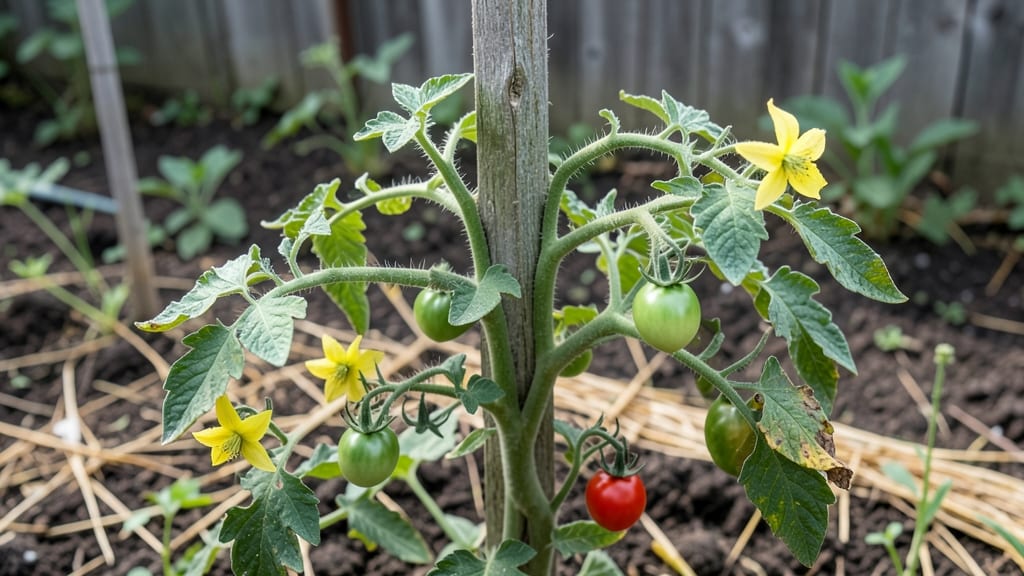
The Jubilee tomato plant delivers a year-round harvest with just three simple pruning cuts that keep it producing until frost. I’ve grown this variety for three seasons now, and it’s the only tomato that never lets me down—even when my other plants give up by August.
The secret isn’t fancy techniques; it’s knowing exactly when and how to shape the plant so it focuses all its energy on fruit instead of leaves.
This heirloom thrives in full sun and well-draining soil, but what sets it apart is its disease resistance—no more wilting vines or blight-ruined harvests.
You’ll need sturdy stakes or a trellis to support its vines, but the payoff is worth it: pound after pound of sweet, meaty tomatoes that taste like summer no matter when you pick them. Even in cooler months, a little row cover keeps production going.
Start with healthy seedlings, water deeply but consistently, and those three pruning cuts become your best friend. Remove suckers early, then focus on opening up the plant’s center for airflow—this keeps fruit coming until the first hard freeze.
By late fall, you’ll be canning or freezing tomatoes while most neighbors are scrambling for store-bought.
Works in containers or in-ground, from Zone 5 to Zone 10, and handles drought better than most heirlooms. The key? Prune aggressively in spring, lightly in summer, and hard again in early fall—that’s how you stretch the harvest season.
Ready to grow tomatoes that outperform everything else in your garden?
📚 In This Guide
- What you need
- Instructions
- Tips and common mistakes
- Wrapping up and next steps
What you need
- ● Jubilee tomato seeds or seedlings: 1–3 plants (choose disease-resistant varieties if possible).
- ● Well-draining potting mix: 5–10 gallons (or a high-quality garden soil blend with compost).
- ● Containers or garden space: Containers: 5-gallon pots or larger (at least 12–18 inches deep) with drainage holes.
- ● Garden beds: Full sun (6–8+ hours/day) and loose, fertile soil.
- ● Fertilizer: Balanced organic fertilizer (10-10-10 or compost tea) for planting and a slow-release option (like worm castings) mid-season.
- ● Support system: Cage (5–6 ft tall) or
- ● Trellis/bamboo stakes (3–4 ft long) + soft ties (e.g., twine or plant clips).
- ● Hand trowel or transplanting spade (for planting seedlings).
- ● Pruning shears or sharp scissors (sterilized with rubbing alcohol).
- ● Watering can or hose with a gentle spray nozzle (avoid soaking leaves).
- ○ pH test kit (optional but helpful—Jubilee tomatoes thrive in 6.0–6.8 pH).
- ● Mulch (straw or shredded leaves) (to retain moisture and deter weeds).
- ● Grow lights (if extending the season indoors or in low-light areas).
- ● Tomato cages with built-in irrigation (for hands-off watering).
- ● Drip irrigation system (to automate watering and reduce disease risk).
- ● Plant markers (to track pruning cuts and varieties if growing multiple types).
- ● Epsom salt (1 tbsp/month in water for magnesium boosts, especially in flowering stages).
Instructions for pruning a Jubilee tomato plant for continuous harvest
Master these three pruning cuts, and your Jubilee tomato plant will reward you with fruit all season long.
Remove Suckers to Focus Energy on Fruit
Start pruning when your Jubilee plant reaches about 12 inches tall. Look for the small shoots growing in the crotch between the main stem and branches—these are called suckers. Use your fingers or clean pruning shears to pinch them off at the base. I always check the undersides of leaves too, since suckers often hide there.
Removing suckers redirects the plant’s energy toward ripening existing fruit rather than growing new leaves. Aim to keep just one strong stem per branch—this ensures better air circulation and prevents disease. If you miss a sucker, it’ll grow into a weak branch that competes with your main harvest.
Trim Lower Leaves to Improve Airflow and Sunlight
Once your plant is 18-24 inches tall, start removing the lower leaves—those touching or below the soil level. Use sharp pruners to make clean cuts just above a leaf node (the small bump where leaves grow). This prevents soil-borne diseases from splashing onto the leaves when you water.
Don’t overdo it—leave a few leaves below the first fruit cluster to protect the tomatoes from sun scald. You’ll know you’ve done enough when sunlight reaches the lower branches without casting deep shadows. This step also makes harvesting easier by keeping the plant more open.
Prune Overcrowded Branches for Bigger Fruit
When your Jubilee plant develops multiple branches at a single node, choose the strongest one and prune the others at the base. Focus on branches growing toward the center of the plant—they’ll shade each other and produce smaller, less flavorful fruit. Keep only the outermost branches that get full sun.
After heavy fruiting, trim any branches that look exhausted or have more than three fruit clusters. This encourages the plant to focus on ripening existing tomatoes rather than starting new ones. A well-pruned Jubilee will have fewer but larger, sweeter tomatoes—worth the effort!
Bonus: Maintain Throughout the Season
Check your plant weekly for new suckers or overcrowded branches. In late summer, reduce pruning to let the plant recover before another flush of fruit. If your Jubilee grows tall, tie it to a sturdy stake or trellis to prevent breakage from heavy clusters.
With these cuts, your Jubilee will keep producing ripe tomatoes for months—not just a single heavy harvest. Just remember: prune early and often, and your plant will thank you with flavor-packed fruit all season.
Tips & tricks for pruning a Jubilee tomato plant
Here's what I learned after years of pruning Jubilee tomato plants—these tricks make all the difference between a decent harvest and a truly productive one.
Timing is Everything: Start pruning when your plant reaches 12 inches tall, as instructed, but don't wait too long. I've seen gardeners miss the first pruning window, and suddenly they're dealing with a bushy plant that's hard to manage. The key is consistency—check your plant every few days once it reaches that 12-inch mark. Early pruning means more energy goes to fruit production from the very beginning.
Tool Selection Matters: While you can pinch off suckers with your fingers, I recommend using clean pruning shears for anything larger than a pencil-sized stem. Dull shears can crush stems and invite disease. Sterilize your tools with rubbing alcohol between cuts to prevent spreading any potential pathogens. I keep a small bottle of alcohol in my gardening toolkit for just this purpose.
Visual Cues for Pruning: When trimming lower leaves in Step 2, look for the classic "light test"—if sunlight casts deep shadows on lower branches, you haven't removed enough leaves. Aim to create a more open plant where air can circulate freely. For Step 3, when choosing which branches to keep, imagine the plant as a dome—you want branches radiating outward like spokes on a wheel, not growing inward.
Seasonal Adjustments: The weekly maintenance check mentioned in the instructions is crucial, but I've found that in late summer, when temperatures rise above 90°F, I reduce pruning to every 10-14 days. The plant needs time to recover before another flush of fruit, especially in hot climates. This adjustment prevents stress that could lead to blossom end rot or other issues.
Pro Tips for Jubilee Tomato Plant
- Here's what I learned after years of pruning Jubilee tomato plants—these tricks make all the difference between a decent harvest and a truly productive one.
- Timing is Everything: Start pruning when your plant reaches 12 inches tall, as instructed, but don't wait too long.
- Tool Selection Matters: While you can pinch off suckers with your fingers, I recommend using clean pruning shears for anything larger than a pencil-sized stem.
Frequently asked questions
Got questions about growing your Jubilee tomato plant?
Here are answers to the most common ones—so you can keep those juicy harvests coming all year!
How often should I prune my Jubilee tomato plant?
Prune your Jubilee tomato plant 3 times per year—typically in early spring, mid-summer, and late summer—to encourage bushier growth and more fruit. Focus on removing suckers (side shoots) and any diseased or overcrowded branches. Pro tip: Always prune just above a leaf node to promote new growth!
When is the best time to harvest Jubilee tomatoes?
Harvest your Jubilee tomatoes when they’re fully colored and slightly soft to the touch—usually 60-70 days after transplanting. For year-round harvests, pick consistently to encourage more production. Fun fact: These tomatoes ripen faster indoors under grow lights if you’re extending the season!
Can I grow Jubilee tomatoes in containers?
Jubilee tomatoes thrive in containers as long as the pot is at least 5 gallons and has drainage holes. Use a high-quality potting mix and stake or cage the plant for support. Just ensure the container gets 6+ hours of sunlight daily—they’re not shade lovers!
What should I do if my Jubilee tomato plant gets pests?
Common pests like aphids or hornworms can stress your plant, but act fast! Spray with neem oil or insecticidal soap for mild infestations. For severe cases, handpick pests or introduce beneficial insects like ladybugs. Prevention tip: Keep your garden clean and mulch to deter pests naturally.
Are Jubilee tomatoes better than other varieties?
Jubilee tomatoes are prized for their sweet, meaty texture and disease resistance, making them ideal for slicing, salads, or sauces. While some varieties yield more, Jubilee’s flavor and hardiness often win over gardeners. Try them! Their versatility in the kitchen is a game-changer.
Wrapping up and next steps
Growing a jubilee tomato plant is a rewarding journey that brings fresh, flavorful harvests straight to your kitchen—year-round with the right care! 🌱 By mastering three strategic pruning cuts, you’ll boost yield, improve air circulation, and keep your plant thriving.
Whether you’re a seasoned gardener or just starting, this method makes it simple to enjoy homegrown tomatoes without the guesswork.
Ready to level up your garden? Start by bookingmarking this guide and grabbing your pruning shears—your first cut could be just days away! 🌟 Happy harvesting!