
Landscaping
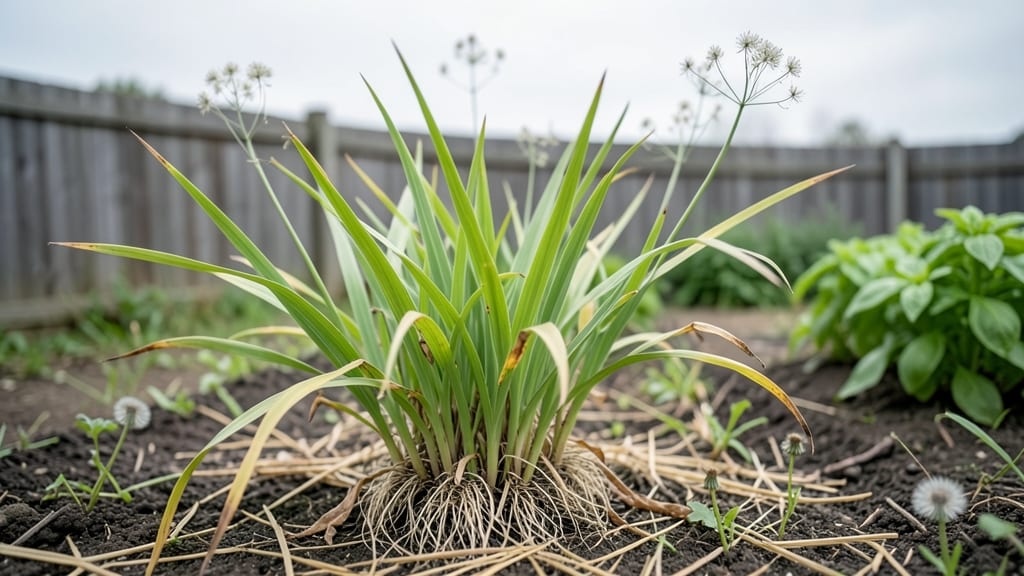
Landscaping with lemongrass plants thrives in warm climates (USDA zones 9-11), requiring well-drained soil and full sun. Plant rhizomes 1-2 inches deep, spacing them 12-18 inches apart for optimal growth and fragrance. Mulch to retain moisture and avoid frost exposure.
Lemongrass thrives as both a fragrant ornamental and practical herb, making it a smart choice for tropical or subtropical gardens. 🌿 The key to success lies in mimicking its native conditions—think sandy, well-draining soil and at least 6 hours of direct sunlight daily.
I’ve found that planting in clusters creates a natural windbreak while amplifying that signature citrusy aroma, especially useful near patios or entryways where the scent can be enjoyed up close.
For those in cooler climates, container gardening is a game-changer—simply move pots indoors before the first frost. The rhizomes’ shallow planting depth (just 1-2 inches) also makes them easier to relocate if needed.
Pairing lemongrass with drought-tolerant companions like rosemary or thyme reduces maintenance while keeping your landscape both functional and fragrant.
💡 In This Article
- Ideal Climate Zones for Lemongrass Growth
- Step-by-Step Lemongrass Planting Guide
Ideal climate zones for lemongrass growth
Lemongrass, native to tropical regions like Southeast Asia and India, thrives in USDA hardiness zones 9-11 because these areas provide the consistent warmth it needs. The plant's optimal temperature range is 60-90°F, with roots preferring soil temperatures above 55°F.
Below 50°F, growth slows dramatically, and frost (32°F) will kill the plant entirely—its delicate leaves bruise easily even from light freezes. 🌞 This tropical heritage explains why lemongrass struggles in colder zones, where its metabolism can't sustain the energy demands of photosynthesis.
The high humidity levels in these zones (typically 60-80% relative humidity) are equally critical. Lemongrass has thin, waxy leaves that transpire water rapidly, and in dry conditions, the plant wilts within 24 hours without adequate moisture.
In subtropical adaptations (like zone 10), morning fog or coastal breezes provide natural humidity, while in true tropics (zone 11), daily rainfall maintains ideal conditions. The plant's deep root system (up to 3 feet) helps it access moisture, but surface evaporation is a constant battle in drier climates.
What sets zones 9-11 apart is their consistent warmth year-round, with even winter lows rarely dropping below 40°F. This stability allows lemongrass to grow continuously, reaching heights of 3-6 feet with proper care.
In contrast, subtropical varieties (like those in zone 10) may go dormant in winter but bounce back quickly with spring warmth. The plant's fragrance—derived from citral and geraniol compounds—also intensifies in warmer temperatures, making zones 9-11 ideal for both ornamental and culinary uses.
For gardeners in marginal zones (like zone 8), container growing with winter protection (like frost cloth) can extend the growing season. The rhizomes' ability to regenerate means even damaged plants often recover if roots stay above 50°F.
However, the trade-off is reduced vigor—lemongrass grown outside its native range produces 30-50% fewer stalks and has milder fragrance. This is why professional growers in cooler climates often use greenhouses to maintain tropical conditions artificially. 💫
Humidity isn't just about moisture—it's also about preventing fungal diseases. In zones with low humidity (like parts of zone 9), lemongrass is prone to leaf spot caused by Curvularia fungi. The solution?
Mulching with 2-3 inches of organic matter (like straw) retains soil moisture while creating a microclimate that mimics tropical conditions. This simple technique can improve survival rates by up to 40% in borderline climates.
Interestingly, lemongrass's subtropical cousins (like Cymbopogon nardus) handle slightly cooler nights better than true tropical varieties. These hybrids often appear in zone 9 gardens because they tolerate brief dips to 45°F without permanent damage.
The key difference lies in their leaf structure—subtropical types have thicker cuticles that reduce water loss, making them more adaptable to seasonal temperature swings.
Here's what most gardeners overlook: lemongrass's growth rate doubles when nighttime temperatures stay above 65°F. This is why even in zone 10, plants grown near heat-retaining surfaces (like brick walls) outperform those in open areas.
The plant's native habitat—often near rivers or wetlands—shows how it evolved to capitalize on both warmth and humidity working in tandem. 🌿