
Pests
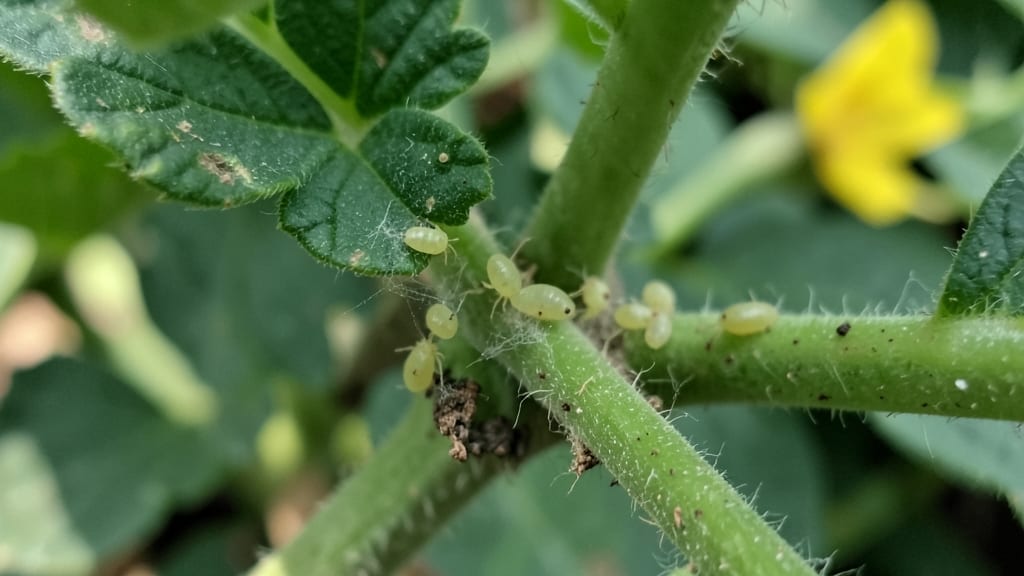
Those little bugs on tomato plants aren’t just annoying—they can derail your harvest if you don’t act fast. 🌱 I’ve battled everything from sap-sucking aphids to voracious spider mites, and the key to saving your plants lies in spotting them early and hitting them hard with the right tactics.
The worst part? Many of these pests multiply faster than you can say "blight season." Aphids, for instance, can turn your lush green leaves into sticky, curled messes in under a week if left unchecked.
But here’s the good news: most can be wiped out with simple, organic tools like neem oil or a strong spray of water—no harsh chemicals required.
By the time you’re done, your tomato plants will bounce back with fresh, pest-free foliage in just a few days. The secret is acting before the bugs stage a full takeover, and I’ll show you exactly how to recognize their telltale signs—like webbing, speckled leaves, or honeydew drips.
Works for backyard gardens, container grows, and even greenhouse setups. Let’s get those pests off your plants before they ruin your season.
Root Causes Of Tiny Plant Invaders
When you spot tiny bugs on tomato plants, it’s rarely just bad luck—there’s usually a mix of environmental, plant health, and gardening habit factors at play. Understanding these causes helps you take targeted action before pests spiral out of control. Let’s break down the most common triggers:
A stressed tomato plant is like an open invitation for pests. Nutrient deficiencies, overwatering, or underwatering make plants more vulnerable to infestations. Here’s why:
- Nitrogen deficiency: Yellowing leaves (chlorosis) signal weak growth, making plants easier targets for sap-sucking bugs like aphids or whiteflies.
- Overwatering: Soggy soil attracts fungus gnats and shore flies, which lay eggs in damp, organic-rich soil near tomato roots.
- Underwatering: Drought-stressed plants produce sticky honeydew, a magnet for ants and scale insects.
- Crowded plants: Poor airflow from overcrowding traps moisture, promoting fungal diseases (like early blight) and attracting pests that thrive in humid conditions.
💡 Pro Tip: Conduct a soil test to check pH and nutrient levels—tomatoes prefer 6.0–6.8 pH and balanced NPK (10-10-10 fertilizer works well). Mulch with straw to regulate moisture and reduce soil-borne pests.
Many tiny bugs on tomato plants aren’t new arrivals—they’re overwintering survivors from last season’s garden. Here’s how they persist:
- Eggs in soil/debris: Aphids, whiteflies, and spider mites lay dormant eggs in leaf litter, mulch, or garden tools. Warm spring weather triggers hatching.
- Undisturbed garden beds: If you didn’t clean up fallen leaves or rotate crops, pests like thrips or leafminers re-infest tomato plants year after year.
- Wild hosts nearby: Weeds (e.g., nightshade, pigweed) and volunteer tomatoes harbor pests that jump to your plants when conditions are favorable.
🔥 Action Step: Before planting, remove all plant debris and till the soil to expose overwintering eggs to sunlight (they die within hours). Use neem oil as a preventive spray in early spring.
Tiny bugs often hitchhike into your garden via natural forces. Here’s how:
| Cause | Common Pests | How to Block Them |
|---|---|---|
| Wind | Aphids, spider mites, thrips | Install fine mesh row covers (15–30 mesh) over young plants to trap adults before they lay eggs. |
| Birds/Animals | Flea beetles, earwigs, cutworms | Use chicken wire around beds or plant traps crops (e.g., radishes) to lure pests away. |
| Water Sources | Fungus gnats, shore flies | Let soil dry between waterings and avoid overhead sprinkling. |
✨ Prevention Hack: Place yellow sticky traps near tomato plants to catch flying adults (like whiteflies) before they reproduce.
Even well-meaning gardening practices can invite pests. Common mistakes include:
- Using contaminated tools: Pruners or stakes harbor aphids or mites between uses. Always disinfect tools with rubbing alcohol.
- Ignoring beneficial insect decline: Pesticide use (even organic sprays) kills ladybugs, lacewings, and parasitic wasps—natural predators of tomato pests.
- Planting too early: Cold-sensitive pests like hornworms thrive when nights stay warm, but young tomato plants lack defenses.
- Skipping crop rotation: Planting tomatoes in the same spot yearly exhausts soil and attracts root-knot nematodes or corn earworm larvae.
🎯 Long-Term Fix: Follow a 3-year rotation (e.g., tomatoes → legumes → brassicas) and introduce companion plants like basil or marigolds to repel pests.
Quick Fixes for Tomato Plant Pests
Got tiny invaders feasting on your tomato plants? Don’t panic—these practical, step-by-step solutions will help you reclaim your garden fast! Below, we’ve matched common pests to their fixes, so you can act now without guesswork.
Aphids suck sap, leaving sticky residue and stunted growth. Act fast with these methods:
- 💦 Blast Them Off Spray plants with a strong stream of water (early morning works best). Repeat every 2–3 days until gone.
- 🌿 Soap or Neem Oil Spray Mix 1 tsp mild dish soap + 1 tsp neem oil in 1 quart of water. Spray directly on pests (avoid blooms). Reapply after rain.
- 🐛 Introduce Ladybugs Buy ladybug larvae online—they love aphids! Release them near infested areas for natural control.
💡 Prevention Tip: Plant marigolds, basil, or chives nearby—aphids hate their scent!
These microscopic pests thrive in dry heat, causing speckled leaves and webbing. Fight back with:
- 🌧️ Increase Humidity Mist plants daily or use a shade cloth to deter mites (they hate moisture).
- 🧼 Oil Spray (Every 5 Days) Mix 1 tbsp horticultural oil + 1 tsp soap in 1 gallon of water. Spray undersides of leaves where mites hide.
- 🔍 Inspect & Prune Remove heavily infested leaves (drop them in a sealed bag). Check plants weekly for early signs.
🔥 Pro Tip: A hose blast (like for aphids) can knock off mites—but do it gently to avoid damaging leaves!
These striped munchers can devour a plant overnight. Here’s how to stop them:
- 👨🍳 Handpick Daily Wear gloves and squish or drop them in soapy water (they’re harmless to handle).
- 🕸️ Use BT (Bacillus thuringiensis) Spray BT spray (a natural bacteria) on leaves—it kills caterpillars but not bees.
- 🐝 Encourage Predators Birds and parasitic wasps love hornworms. Add a bird feeder or native plants to attract them.
🎯 Prevention Tip: Plant basil or dill near tomatoes—hornworms avoid these scents!
These pests weaken plants and spread viruses. Trap and eliminate them with:
- 🕯️ Yellow Sticky Traps Hang yellow cards coated in petroleum jelly near plants to catch adults.
- 🌿 Neem Oil Spray (Weekly) Mix 1 tbsp neem oil + 1 tsp soap in 1 gallon of water. Spray undersides of leaves where they hide.
- 💨 Fan Them Away Use a shop vac with a fine nozzle to suck them up (wear a mask!). Do this in the evening when they’re active.
✨ Bonus Hack: Reflective mulch (aluminum foil) confuses whiteflies—try it under pots!
No matter the pest, stop them before they start with these habits:
- 🌱 Rotate crops yearly to disrupt pest life cycles.
- 🌿 Interplant flowers (like nasturtiums) to repel bugs naturally.
- 🕒 Check plants weekly—early action = less damage!
- 🚫 Avoid over-fertilizing (soft new growth attracts pests).
⏰ Time to Act! Most fixes take under 10 minutes—pick your pest, grab the right tool, and watch your tomatoes thrive in no time! 🍅💪
Frequently asked questions about tiny bugs on tomato plants
What are the most common tiny bugs that attack tomato plants?
The usual suspects include aphids (tiny green/black clusters), spider mites (microscopic yellow specks with webbing), whiteflies (tiny white moths that flutter when disturbed), and thrips (slender black bugs that leave silver streaks on leaves). Hornworms (large green caterpillars) also appear as "bugs" but are actually larvae.
How can I tell if the bugs are harming my tomato plants?
Look for these red flags: sticky residue (honeydew), yellowing leaves, curled or speckled foliage, tiny webs, or chewed leaves. If you see ants trailing up stems, they're likely farming aphids. Act fast—pests multiply quickly!
Are there natural ways to get rid of these pests without chemicals?
Try neem oil spray (mix 1 tbsp with 1 tsp soap in 1 gallon of water), insecticidal soap, or a hose blast (early morning). For stubborn pests, introduce beneficial insects like ladybugs or lacewings. Companion planting with basil, marigolds, or garlic also helps repel bugs naturally.
When is the best time to treat tomato plant pests?
Treat early morning when pests are most active and dew is present (helps solutions stick). Avoid spraying when bees are active (late morning/afternoon). For severe infestations, repeat treatments every 5-7 days until pests disappear. Consistency is key!
Will these bugs kill my tomato plants?
Most tiny bugs won't kill healthy plants outright, but they can stunt growth, spread disease, and reduce yields if left unchecked. The real danger comes from secondary infections (like sooty mold from honeydew) or overwhelming infestations. Strong plants recover faster—focus on prevention and quick action!