
Companion Plants
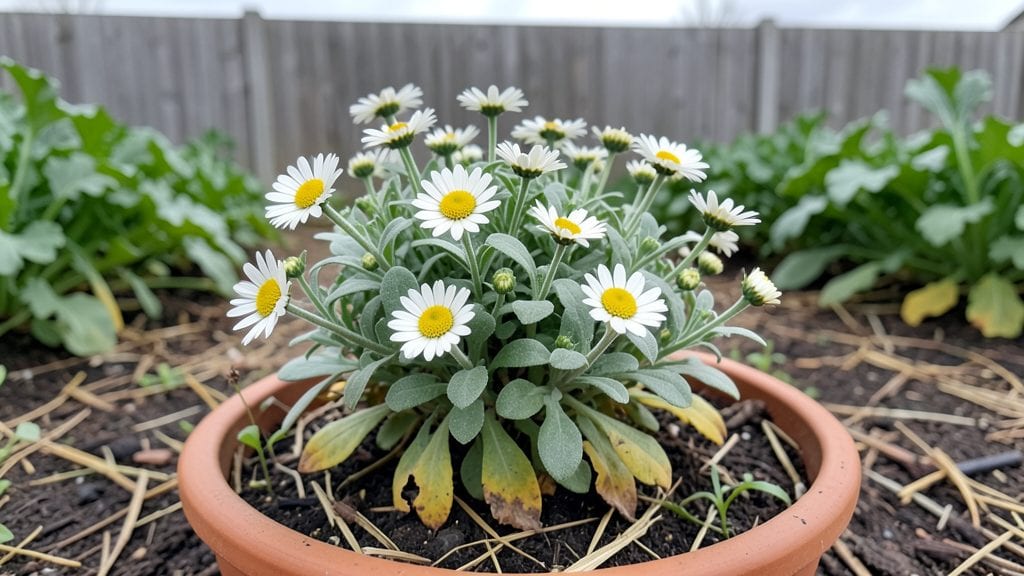
These marguerite daisy plants bring that cheerful, sunlit look to gardens with almost no fuss—just a few key steps to keep them blooming from spring through fall. 🌼 I’ve grown them for years, and the secret isn’t complicated: they thrive in full sun, well-drained soil, and a quick trim after flowering.
The first time I saw them covered in tiny white-and-yellow blooms, I knew they’d be a staple.
These plants handle neglect surprisingly well, but they do need 6+ hours of sunlight daily and soil that drains fast—too much moisture rots their roots. Water when the top inch feels dry, and pinch back spent blooms to encourage more flowers.
Most gardeners overlook the fact that they’re drought-tolerant once established, which makes them perfect for busy folks or dry climates.
By mid-summer, you’ll have a bushy plant packed with blooms that last for weeks. The foliage stays lush and green, and they rarely attract pests—just the occasional spider mite if you forget to water.
With minimal pruning, they’ll keep producing color until frost, then you can even bring them indoors for winter if you’re in a cold zone.
Whether you’re filling containers on a patio or lining a sunny border, marguerite daisies adapt easily. They’re the kind of plant that rewards laziness—just plant them, forget about them, and enjoy the show. Let’s get yours growing strong!
📚 In This Guide
- What you need
- Instructions
- Tips and common mistakes
- Wrapping up and next steps
What you need
- ● Marguerite daisy plants: Choose between Leucanthemum varieties (e.g., ‘Becky,’ ‘Snow Lady,’ or ‘Mediterranean’). Opt for healthy nursery-grown plants or seeds (if starting from scratch).
- ● Well-draining soil: A mix of garden soil + compost (ratio: 70% soil, 30% compost) or potting mix for containers.
- ● Sunlight access: A full-sun spot (6+ hours/day) or partial shade (4–6 hours) in hot climates.
- ● Watering can or hose: With a gentle spray nozzle for even moisture.
- ● Fertilizer: Balanced 10-10-10 or slow-release granular fertilizer (apply every 4–6 weeks).
- ● Pruning shears: Sharp, clean scissors (sterilize with rubbing alcohol).
- ● Mulch: Organic mulch (straw or shredded bark) to retain moisture and suppress weeds.
- ● Support stakes: For tall varieties (e.g., bamboo stakes or tomato cages).
- ● pH test kit: To check soil acidity (ideal range: 6.0–7.0).
- ● Drip irrigation system: For low-maintenance watering in larger gardens.
- ● Gloves: To protect hands from thorns (if handling mature plants).
How to grow and maintain stunning marguerite daisy plants
Here’s the simple approach I use to keep these cheerful blooms thriving with almost no fuss.
🌱 Step 1: Choose the Right Location for Planting
Marguerite daisies love full sun—at least 6-8 hours daily. I always pick a spot where they’ll get morning sun and afternoon light, even in partial shade. The soil should drain well; if yours is heavy clay, mix in 2-3 inches of compost to improve drainage before planting.
Dig a hole twice as wide as the root ball but only as deep as the container it came in. This keeps the crown (where stems meet roots) at soil level. Planting too deep suffocates the roots, while too shallow exposes them to drying winds.
💧 Step 2: Water Deeply After Planting and Establish a Routine
Water thoroughly right after planting to settle the soil around the roots. Marguerite daisies hate soggy soil but also need consistent moisture while establishing. I water once a week during the first month, checking that the top 2 inches of soil feel dry before watering again.
Once established, these plants are drought-tolerant, but they’ll reward you with bigger blooms if you keep the soil evenly moist. Mulch with 1-2 inches of organic mulch around the base to retain moisture and suppress weeds—just keep it 2 inches away from the stems to prevent rot.
✂️ Step 3: Prune for Longer Blooms and Healthy Growth
Deadhead spent blooms by pinching off the flower head just above the next set of leaves. This encourages more flowers and prevents the plant from putting energy into seed production. I do this every 2-3 weeks during the blooming season to keep the plant looking tidy and productive.
In early spring, cut back the entire plant by one-third to promote fresh, vigorous growth. This is also the time to divide clumps if they’ve outgrown their space—dig up the plant, separate the sections, and replant them in fresh soil. Marguerite daisies spread easily, so division keeps them from getting too crowded.
☀️ Step 4: Fertilize Lightly for Vibrant Blooms
Use a balanced, slow-release fertilizer (like 10-10-10) in early spring, just as new growth begins. Follow the package instructions for application rates—over-fertilizing leads to lush foliage but fewer flowers. I apply fertilizer again in midsummer to keep the blooms coming.
Marguerite daisies don’t need much feeding, but a light monthly dose of liquid fertilizer during the growing season keeps them healthy. Stop fertilizing in late summer to allow the plant to harden off for winter.
🌿 Step 5: Protect Over Winter and Prepare for Next Year
In colder climates, cut back the foliage to 2-3 inches above ground level after the first frost. Cover the base with 3-4 inches of mulch to insulate the roots from freezing temperatures. Marguerite daisies are hardy but benefit from this extra protection in harsh winters.
In spring, remove the mulch and trim back any dead or damaged stems. New growth will emerge quickly once temperatures warm up. This is also a great time to divide any clumps that have spread over the winter—just dig up the plant, separate the sections, and replant them in fresh soil.
Tips & tricks for perfect marguerite daisy plants
These simple strategies will help you keep your marguerite daisies thriving with minimal effort and maximum beauty.
Location is Everything: That 6-8 hours of full sun in Step 1 is non-negotiable for vibrant blooms. If your garden gets afternoon shade, place them where they'll get morning sun instead—this gives them the energy they need for continuous flowering. I've noticed that plants in partial shade still bloom, but the flowers are noticeably smaller and less vibrant. For container gardening, choose a sunny spot on your patio or balcony with at least 5-6 hours of direct sunlight.
Watering Wisdom: The once-a-week watering routine in Step 2 works perfectly when your soil drains well. To test soil moisture, stick your finger about 2 inches deep—if it feels dry, that's your cue to water. I've learned the hard way that soggy soil leads to root rot, so always check drainage before planting, especially in clay soil. For container plants, water more frequently since they dry out faster—check the top inch of soil daily during hot weather.
Pruning Payoff: That 2-3 week deadheading schedule in Step 3 makes all the difference! I've found that pinching off spent blooms just above the next set of leaves encourages bushier growth and more flowers. For a quick trick, use clean scissors or your fingers to remove the entire flower head—this prevents the plant from wasting energy on seed production. In early spring, don't be afraid to cut back that one-third—it might look drastic, but your daisies will thank you with fresh, vigorous growth.
Fertilizing Finesse: The balanced 10-10-10 fertilizer mentioned in Step 4 is perfect for marguerite daisies, but timing matters. I apply the first dose in early spring when new growth appears, then again in midsummer to support continuous blooming. For a natural alternative, try a compost tea every 4-6 weeks instead of chemical fertilizers. And remember—less is more! These plants don't need heavy feeding, so always follow the package instructions to avoid over-fertilizing.
Pro Tips for Marguerite Daisy Plants
- These simple strategies will help you keep your marguerite daisies thriving with minimal effort and maximum beauty.
- Location is Everything: That 6-8 hours of full sun in Step 1 is non-negotiable for vibrant blooms.
- Watering Wisdom: The once-a-week watering routine in Step 2 works perfectly when your soil drains well.
Frequently asked questions
Got questions about keeping your marguerite daisy plants happy and blooming? Here are some of the most common ones—plus quick, easy answers!
How often should I water marguerite daisies?
Water them deeply but infrequently—about once a week, or when the top 1-2 inches of soil feel dry. Overwatering can cause root rot, so always ensure well-draining soil. Pro tip: Water at the base (not leaves) to avoid fungal issues!
When is the best time to plant marguerite daisies?
For spring blooms, plant in early spring (after the last frost) or late summer (for fall color). They thrive in USDA Zones 3-10, so adjust timing based on your climate. Bonus: They self-seed easily, so you might spot unexpected blooms the next season!
Do marguerite daisies need pruning?
Minimal pruning is key! Trim dead or faded blooms to encourage new flowers, and cut back stems by ⅓ in early spring to promote bushiness. Avoid heavy pruning—they’re low-maintenance stars! Warning: Skip pruning in winter unless your climate is harsh (Zone 3-4).
What companion plants pair well with marguerite daisies?
They love sunny, well-drained spots alongside:
- Lavender (repels pests)
- Salvia (attracts pollinators)
- Russian sage (drought-tolerant)
- Catmint (same care needs)
What pests or diseases should I watch for?
Keep an eye out for aphids, spider mites, or powdery mildew (common in humid areas). Treat aphids with soapy water; improve airflow to prevent mildew. Good news: Marguerite daisies are generally disease-resistant if planted in full sun!
Wrapping up and next steps
Marguerite daisies are the perfect low-maintenance addition to any garden, offering cheerful blooms with minimal fuss. Whether you’re a seasoned gardener or just starting out, these hardy plants reward you with vibrant color while thriving in diverse conditions. 🌼
Ready to bring a touch of sunshine to your space? Start by selecting the right variety for your climate, then give your marguerite daisies the care they deserve—and watch your garden flourish all year long! Grab your gloves, and let’s get planting!