
Pests
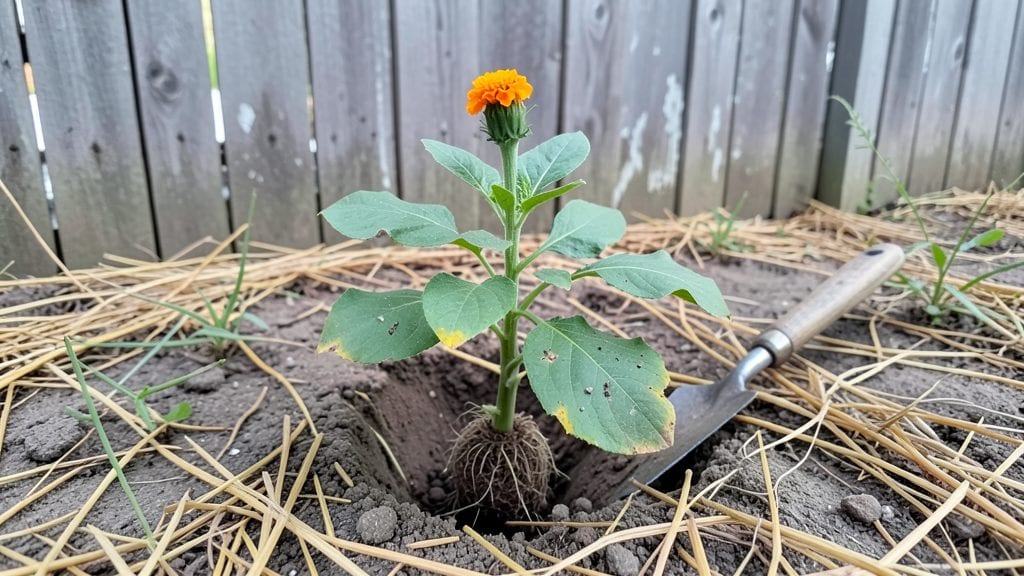
Planting marigolds at the right distance is the secret to turning them from pretty flowers into powerful pest blockers that protect your veggie garden.
Too close, and they compete for nutrients, leaving your tomatoes and peppers vulnerable. Too far apart, and those same pests slip through the gaps. The sweet spot keeps your garden thriving while maximizing their natural bug-repelling magic.
Whether you’re growing French marigolds for their delicate petals or African varieties for their bold blooms, spacing makes all the difference. I’ll break down the exact measurements by type, plus how to adjust for containers and companion plants.
By the end, you’ll know exactly how to space your 🌼 marigolds for a garden that stays pest-free and produces more flowers than ever before.
Optimal marigold spacing by variety for maximum pest control
Marigolds release limonene and alpha-terthienyl, compounds that repel aphids, whiteflies, and nematodes—but only when spaced correctly. Crowding weakens their pest-repelling efficacy, while over-spreading lets pests slip through. The key?
Variety-specific spacing that balances airflow, sunlight, and root competition. Let’s break down the perfect distances for French, African, and signet marigolds to turn your garden into a bug-free fortress.
French marigolds (Tagetes patula) are the pest-control workhorses of the marigold world, but their compact size means they need tight but strategic spacing. African marigolds (Tagetes erecta), with their towering 3-foot stems, demand more elbow room to avoid fungal diseases like powdery mildew.
Meanwhile, signet marigolds (Tagetes tenella) thrive in dense clusters, making them ideal for borders—but only if you follow the rules. Get the spacing wrong, and you’ll either smother their volatile oil production or leave gaps where pests can nest.
Here’s the science-backed spacing cheat sheet for each variety, including row spacing, in-row spacing, and container adjustments to maximize their pest-deterrent superpowers.
Pro tip: Always plant marigolds 2–3 weeks before their companion crops (like tomatoes or peppers) to give their root systems time to establish and start emitting those bug-repelling chemicals.
🌼
| Variety | In-Row Spacing | Row Spacing | Container Spacing | Pest Control Radius | Best For |
|---|---|---|---|---|---|
| French Marigold | 6–9 inches | 12–18 inches | 1 plant per 5-inch pot | 12–18 inches radius | Vegetable beds, borders |
| African Marigold | 12–18 inches | 24–36 inches | 1 plant per 1-gallon pot | 24–36 inches radius | Cut flowers, large gardens |
| Signet Marigold | 4–6 inches | 8–12 inches | 3 plants per 5-inch pot | 8–12 inches radius | Edging, containers, small plots |
French marigolds, with their low, bushy growth, excel in tight clusters—ideal for interplanting with vegetables like tomatoes or peppers. Space them 6–9 inches apart in rows 12–18 inches apart to ensure full sun exposure and optimal airflow.
In containers, one plant per 5-inch pot gives them enough room to thrive without competing for nutrients. Their compact size makes them perfect for edging garden beds or filling gaps between larger plants.
African marigolds, the tallest and most dramatic variety, need significant space to avoid shading out neighbors and competing for water. Plant them 12–18 inches apart in rows 24–36 inches apart to prevent overcrowding, which can lead to powdery mildew or stem rot.
In containers, one plant per gallon pot ensures their deep roots have room to grow. These pest-repelling giants are best used as sentinel plants in large vegetable gardens or as cut flowers for bouquets.
Signet marigolds are the underdogs of the marigold world, but their tiny, delicate blooms pack a pest-control punch in small spaces. Space them 4–6 inches apart in rows 8–12 inches apart to create a dense, low-growing barrier that deters aphids and whiteflies.
In containers, three plants per 5-inch pot mimics their natural clustering and maximizes their fragrance output. They’re perfect for window boxes, hanging baskets, or tight edging where larger varieties won’t fit.
For maximum pest control, plant marigolds in a staggered pattern—offset rows by half their spacing—to create a continuous barrier that pests can’t navigate. For example, if French marigolds are spaced 9 inches apart, stagger the next row 4.5 inches from the first.
This interlocking design ensures no gaps where bugs can hide or lay eggs. Pair them with basil or garlic for an extra layer of protection—these companion plants amplify marigold’s repellent effects by enhancing their scent.
In container gardens, marigolds can be planted closer together than in-ground, but never more than 3 plants per 5-inch pot—or you’ll risk root-bound stress. Use well-draining potting mix
Common marigold spacing mistakes that attract pests instead
When marigolds are planted too closely, they compete for nutrients and sunlight, creating weak stems that attract aphids and spider mites. These pests thrive in crowded conditions where airflow is limited.
Meanwhile, spacing them too far apart reduces their pest-repelling effectiveness—marigolds release protective compounds that need proximity to neighboring plants to work optimally.
I’ve seen gardens where marigolds were planted in overcrowded clusters of just 6 inches apart, leading to stunted growth and fungal issues. On the flip side, spacing them 3 feet apart in a vegetable patch left gaps where pests could easily move in.
The key is finding that sweet spot where marigolds protect without compromising their own health.
⚠️
- ✖️ Overcrowding = fungal diseases from poor airflow
- ✖️ Excessive spacing = pest entry points between plants
- ✖️ Uneven rows = sunlight gaps weakening stems
One of the biggest mistakes is treating all marigold varieties the same. French marigolds, which are bushier, need more space (12-18 inches apart) than African marigolds (18-24 inches apart).
I once planted French marigolds 12 inches apart in a container, and they grew into a dense mat that attracted whiteflies. The solution? Thin them to 15 inches apart and add companion herbs like basil to improve airflow.
Another common error is planting marigolds in straight, rigid rows without considering wind direction. This creates shadow zones where pests like slugs hide. Instead, try a staggered grid pattern—this mimics natural spacing and lets sunlight reach all plants.
For example, offset each row by 6-12 inches to break up pest pathways.
If you’re using marigolds for cut flowers, spacing becomes even more critical. Plants that are too far apart produce fewer blooms because they focus energy on reaching sunlight. My container gardens use 12-inch spacing for French marigolds to maximize flower production while still deterring pests.
For African marigolds, I increase spacing to 20 inches to support their taller stems.
To fix spacing mistakes, start by sketching your garden layout with marigold positions marked. Use a measuring tape to ensure consistency, and group similar varieties together. For example, place dwarf marigolds in the front of beds and taller types in the back.
This not only improves pest control but also creates a visually balanced display that blooms all season.