
Companion Plants
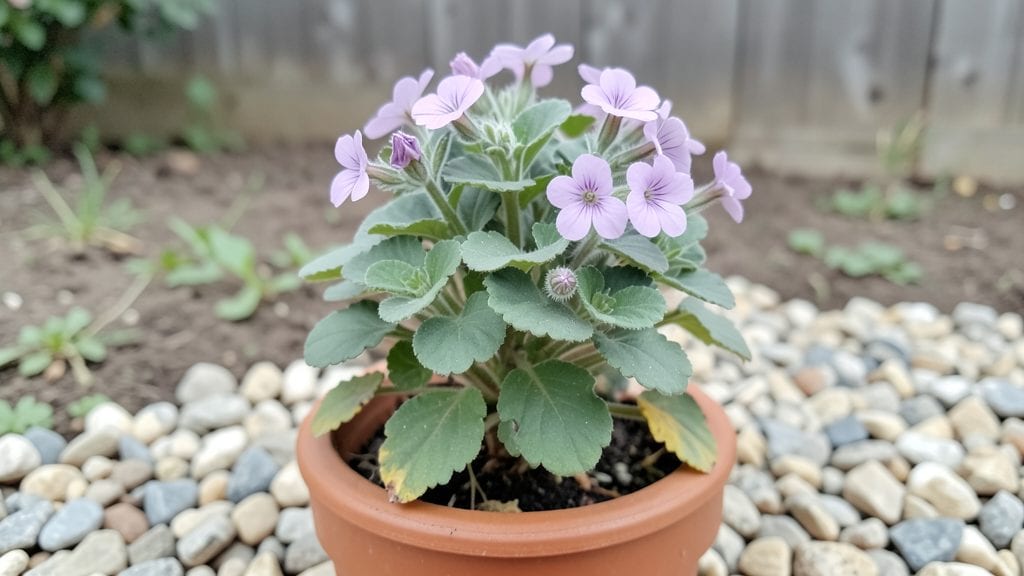
These miniature geranium plants bring vibrant color to every season without taking over your garden space—my secret weapon for balconies, window boxes, and even indoor shelves, blooming from spring through fall with minimal fuss. 🌿 I’ve grown them for years. fuss.
The key? Matching their compact size with the right care, from soil to sunlight.
These little plants thrive in well-draining soil mixed with perlite or sand, and they love sunlight—at least 6 hours daily, though they’ll tolerate partial shade in hot climates.
Watering is simple: let the top inch dry out between drinks, and avoid soggy roots. Pruning after each bloom wave keeps them bushy and encourages nonstop flowers.
By summer’s end, you’ll have a fragrant, cascading display of pinks, reds, and whites that lasts until frost. Even indoors, they reward you with cheerful blooms when placed near a bright window. The best part? They’re beginner-proof—just don’t overwater, and they’ll reward you with years of color.
For experienced gardeners, try propagating cuttings in water for free plants, or deadhead aggressively to trigger more blooms. Whether you’re a newbie or a seasoned grower, these tiny geraniums deliver big impact with almost no effort.
📚 In This Guide
- What you need
- Instructions
- Tips and common mistakes
- Wrapping up and next steps
What you need
- ● Miniature geranium seeds or cuttings: Choose disease-resistant varieties like 'Annuals' Mini Series or 'Rozanne' (20-50 seeds/cuttings for a full display).
- ● Well-draining potting mix: 5-10 lbs of a cactus/succulent blend (or add perlite/vermiculite to regular soil for aeration).
- ● Containers or garden beds: For pots: 4-6" diameter containers (1 plant per pot; 3-5 plants for a cluster display).
- ● For garden beds: Full sun (6+ hours/day) with loose, rocky soil (amend with compost if needed).
- ● Slow-release fertilizer: 10-10-10 or balanced granular (1 tbsp per plant at planting).
- ● Watering can or hose with a gentle nozzle: Avoid soggy soil—water at soil level.
- ● Pruning shears: Sharp, sterilized shears for trimming dead blooms or leggy stems.
- ● Trowel or small shovel: For transplanting seedlings or dividing mature plants.
- ○ Glove (optional): Protects hands from thorns (geraniums have tiny but prickly leaves!).
- ● Mulch: Pine bark or gravel to retain moisture and deter weeds.
- ● Plant supports: Small stakes or cages for trailing varieties (e.g., 'Johnson’s Blue').
- ● Grow lights: If indoors, a 6-inch LED bulb for 12-14 hours/day during winter.
- ● Compost tea: Weekly foliar spray for extra nutrients (especially in containers).
How to grow miniature geranium plants for year-round color
These tiny powerhouses bring bold blooms and sweet fragrance to containers, borders, and window boxes.
🌱 Step 1: Choose the Right Varieties and Containers
Select miniature geranium varieties like 'Ann Catherina' or 'Mascota'—they stay compact (under 6 inches tall) and thrive in containers. I always pick 6-8 inch pots with drainage holes for each plant since miniature geraniums have shallow roots but hate soggy feet. Terracotta pots work best—they breathe and prevent root rot.
Use well-draining potting mix (never garden soil) and add 1 part perlite to 3 parts mix for extra aeration. Fill pots almost to the top, leaving just ½ inch for watering. Press the soil down lightly so it's firm but not compacted—this helps roots establish quickly.
☀️ Step 2: Plant and Position for Maximum Light
Remove the plant from its nursery pot and gently loosen the roots if they're circling. Place it in the center of your container and fill around the sides with soil, pressing lightly to eliminate air pockets. Water immediately after planting to settle the soil and encourage root contact.
Miniature geraniums need full sun (6+ hours daily) for the best blooms. A south-facing window or balcony gets them the light they crave. If indoors, rotate pots weekly so they don't lean toward the light. You'll see new growth within 2-3 weeks if they're happy.
💧 Step 3: Water and Feed for Continuous Blooms
Water when the top inch of soil feels dry—stick your finger in to check. Overwatering is the #1 killer of miniature geraniums, so I always water at the base rather than from above. Let excess water drain completely to prevent root rot.
Feed every 2-3 weeks with a balanced liquid fertilizer (10-10-10) diluted to half strength. Stop fertilizing in late summer to encourage a rest period. Deadhead spent blooms regularly—this redirects energy to new flowers. You'll notice non-stop blooms if you keep this up!
✂️ Step 4: Prune and Overwinter for Next Year
After the first frost, cut back stems by ⅓ to encourage bushier growth. Move pots to a cool, bright spot (50-60°F) indoors where they get 4-6 hours of light daily. Reduce watering to every 2-3 weeks—just enough to keep soil slightly moist.
In early spring, trim back any dead growth and repot if roots are circling. Fertilize lightly with a half-strength solution to wake them up. You'll see fresh growth within 3-4 weeks, and they'll be ready for their summer display.
Tips & tricks for perfect miniature geranium care
These simple strategies will help your miniature geraniums thrive year-round with vibrant blooms and lush foliage.
Container Selection: While terracotta pots are ideal, you can also use plastic containers with drainage holes. The key is ensuring the pots are 6-8 inches wide—this gives roots enough room without overwhelming the plant. If using hanging baskets, choose ones with 4+ inch depth to accommodate the root system. I've found that containers with multiple drainage holes prevent waterlogging better than single-hole designs.
Soil Preparation: The 1 part perlite to 3 parts potting mix ratio is perfect, but you can substitute perlite with vermiculite or coarse sand for similar drainage. Avoid adding compost—it can compact and reduce aeration. I like to mix in a handful of orchid bark for extra air pockets. Always fill containers to within ½ inch of the rim to prevent spillage during watering.
Light Management: If you notice your geraniums leaning toward the light, it's time to rotate them. I set a timer to remind me weekly—this ensures even growth. For indoor growers, supplement natural light with a grow light (12-14 hours daily) if your space gets less than 6 hours of sun. You'll see new growth within 2-3 weeks once they get proper light exposure.
Fertilizer Strategy: The 2-3 week feeding schedule works well, but you can switch to a slow-release fertilizer for convenience. Apply it at planting time and again in early summer. For organic options, try fish emulsion (diluted to half strength) every 4 weeks instead. Always stop fertilizing in late summer to prepare plants for dormancy.
Pro Tips for Miniature Geranium Plants
- These simple strategies will help your miniature geraniums thrive year-round with vibrant blooms and lush foliage.
- Container Selection: While terracotta pots are ideal, you can also use plastic containers with drainage holes.
- Soil Preparation: The 1 part perlite to 3 parts potting mix ratio is perfect, but you can substitute perlite with vermiculite or coarse sand for similar drainage.
Frequently asked questions
Got questions about growing and caring for your miniature geranium plants? You’re not alone—these charming little bloomers are full of surprises! Here are some of the most common queries from gardeners just like you.
How often should I water miniature geraniums?
Water your miniature geraniums when the top inch of soil feels dry—usually every 5–7 days in warm weather, but less in cooler months. Overwatering is the #1 killer, so always check moisture levels with your finger before reaching for the hose. Pro tip: Use well-draining pots with drainage holes to prevent soggy roots!
When is the best time to plant or repot them?
The ideal time to plant or repot is in early spring (after the last frost) or early fall. Avoid transplanting during extreme heat or cold, as it stresses the plants. If you’re dividing or repotting, do it in the morning for a smoother recovery. Bonus: Miniature geraniums thrive in USDA Zones 7–11, but they’re great container plants for cooler climates too!
Why aren’t my miniature geraniums blooming?
Lack of blooms often means your plants need more sunlight (6+ hours daily) or nutrient-rich soil. Deadhead spent flowers regularly to encourage new blooms. If they’re leggy or sparse, they might be root-bound—try repotting into slightly larger containers. Troubleshoot: Check for pests like aphids or spider mites, which can sap energy from flowering.
Can I grow miniature geraniums indoors?
Place them near a south- or west-facing window for bright light. If natural light is limited, supplement with a grow light (12–14 hours/day). Keep humidity moderate and avoid drafts. Just remember: indoor geraniums may bloom less than outdoor ones but still reward you with fragrant foliage and occasional flowers.
What’s the difference between miniature geraniums and regular geraniums?
Miniature geraniums are compact (6–12 inches tall), with smaller leaves and flowers compared to their bushier cousins (which can reach 2–3 feet). They’re perfect for containers, rock gardens, or fairy gardens! Varieties like ‘Rozanne’ or ‘Ann Folkard’ are popular for their prolonged blooming and sweet scent. Fun fact: Some miniature types even thrive in hanging baskets!
Wrapping up and next steps
Miniature geraniums are a fantastic choice for adding vibrant color and delightful fragrance to your garden—whether in containers, borders, or hanging baskets! 🌸 Their low-maintenance nature and compact size make them perfect for small spaces, balconies, or even as companion plants to brighten up your favorite flowers.
With the right care, you’ll enjoy year-round blooms that bring joy and charm to any setting.
Ready to dive in? Start by selecting your favorite varieties, gathering your supplies, and giving these little beauties the love they deserve. Happy planting! 🌱