
Companion Plants
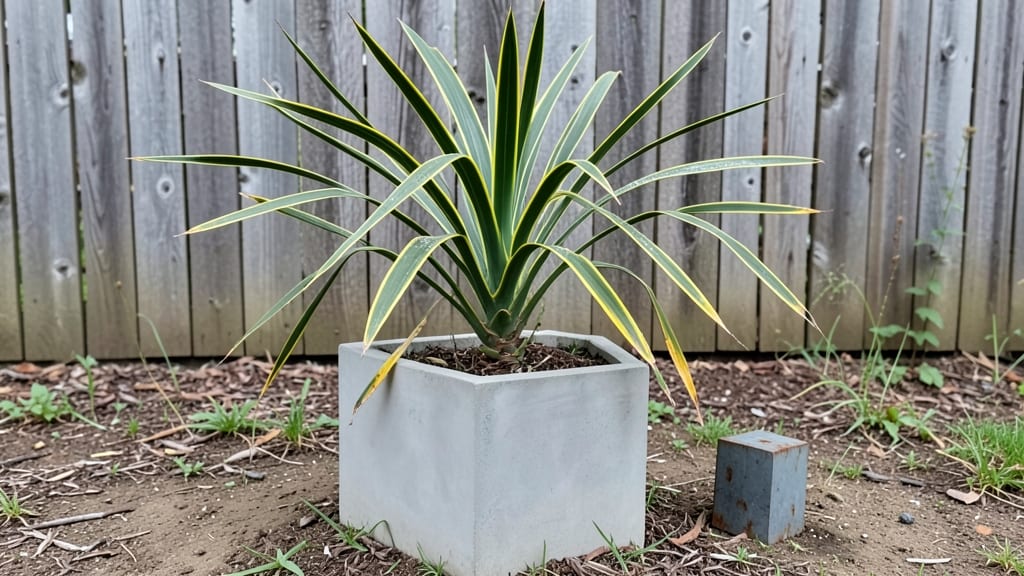
Modern outdoor plants are redefining what gardens can look like—sleek, textured, and designed to turn heads all year long. I swapped out my overgrown hostas for these architectural wonders, and my patio now feels like a high-end design showroom.
The key isn’t just picking pretty plants; it’s about pairing bold foliage with fragrance that lingers even when the blooms fade. Think velvety leaves in deep burgundy or silver-blue spikes that catch the light like glass.
These plants thrive on minimal fuss, which is perfect for modern gardeners who want drama without the upkeep. A single Dracaena marginata (dragon tree) makes a statement in a corner, while Lavender ‘Grosso’ adds fragrance and softness to containers. The best part?
Most handle drought once established, so you won’t be glued to a hose every afternoon. My Elephant Ear (Colocasia) even survived a heatwave last summer with just a little extra water. What you’ll end up with is an outdoor space that feels intentionally designed—not just thrown together.
The textures create depth, the scents invite lingering, and the color palette stays fresh whether it’s summer or winter. I’ll show you how to mix these plants for maximum impact, plus where to sneak them into small spaces or urban balconies.
Let’s make your garden the envy of the block without breaking a sweat.
Here’s the thing—modern outdoor plants aren’t about following rules. They’re about breaking them in the best way possible. My Ornamental Grass ‘Karl Foerster’ stands tall like a sculpture, while Sweet Potato Vine spills over edges in a cascade of chartreuse.
The secret is layering heights, contrasting shapes, and letting the plants’ natural forms do the work. You don’t need a green thumb; you just need an eye for what looks good together.
Start with one standout plant—maybe a Black Mondo Grass for sharp contrast or a Citrus-Scented Geranium for a pop of fragrance. Then build around it. The modern garden isn’t about perfection; it’s about creating a space that feels alive, intentional, and uniquely yours. And the best part?
These plants keep getting better with age, so your investment in beauty pays off for years.
📚 In This Guide
- What you need
- Instructions
- Tips and common mistakes
- Wrapping up and next steps
What you need
- ● Modern outdoor plants: 1-3 drought-tolerant varieties (e.g., Agave americana, Yucca filamentosa, or Dracaena marginata)
- ● 1-2 fragrant foliage plants (e.g., Lavender, Rosemary, or Citrus like Meyer lemon)
- ● 1-2 textural contrast plants (e.g., Grasses like Miscanthus or Ornamental grasses)
- ● Soil & amendments: 50 lbs well-draining potting mix (or native soil amended with compost)
- ● 10 lbs perlite or sand (for drainage, if needed)
- ○ Optional: Slow-release fertilizer (e.g., 1 lb for every 10 sq ft)
- ● Containers (if applicable): 1-3 modern planters (e.g., ceramic, fiberglass, or sleek metal with drainage holes)
- ● Gravel or decorative stones (for container drainage layers)
- ● Essential tools: Garden trowel or hand shovel
- ● Pruning shears (for shaping and maintenance)
- ● Gloves (to protect your hands from thorns or rough foliage)
- ● Watering can or hose with a gentle spray nozzle
- ○ Optional (but helpful!) tools: Soil pH tester (to ensure optimal growing conditions)
- ● Mulch (e.g., cypress mulch or gravel for moisture retention)
- ● Stakes or plant supports (for taller or top-heavy varieties)
- ● Prerequisites: Sunlight assessment: 6+ hours of direct sun (for most modern plants) or partial shade (for sensitive varieties)
- ● Drainage check: Ensure no standing water after rain (critical for root health!)
- ● Local climate knowledge: Choose plants suited to your USDA hardiness zone.
How to design a striking modern outdoor planting scheme
This isn't just another garden—it's a bold statement with year-round drama and sophisticated textures.
Select Plants That Define Modern Aesthetics
For a truly modern look, focus on plants with architectural shapes, bold foliage colors, and varying textures. I always reach for Dracaena marginata (dragon tree) for its striking vertical lines, Heuchera varieties for their vibrant, almost metallic foliage, and Lavender for its silvery-blue spikes and intoxicating fragrance. These plants bring structure and visual interest that traditional gardens often miss.
Pair these with grasses like Miscanthus sinensis for movement and Eucalyptus for its glossy, aromatic leaves. The key is contrast—mix broadleaf plants with fine-textured grasses and add a few flowering plants like Salvia nemorosa for pops of color. This combination creates depth and keeps the space dynamic throughout all four seasons.
Plan Your Layout with Strategic Groupings
Modern planting schemes thrive on intentional design. Start by dividing your space into zones based on plant height. Place taller plants like Dracaena marginata or Eucalyptus at the back or center of your beds, where they can anchor the design. Medium-height plants like Heuchera and Salvia should form the middle layer, while low-growing plants like Lavender or Sedum will spill over the edges for softness.
I like to group plants with similar water needs together to simplify maintenance. For example, Heuchera and Lavender both thrive in well-draining soil and prefer less frequent watering, while Miscanthus and Salvia can handle slightly more moisture. This approach keeps your garden cohesive and reduces the risk of over- or under-watering different sections.
Incorporate Fragrance and Sensory Layers
Modern outdoor spaces shouldn't just look good—they should engage all the senses. Fragrance is a game-changer, and Lavender is a must-have for its calming scent and drought tolerance. Add Rosemary for its pine-like aroma and Jasmine for its intoxicating evening fragrance. These plants not only smell amazing but also attract pollinators, making your garden feel alive.
For texture, mix glossy leaves like Eucalyptus with fuzzy foliage like Lamb's Ear (Stachys byzantina). The contrast creates visual interest and adds another layer of sensory appeal. Place fragrant plants near seating areas or walkways so you can enjoy their scent as you move through the space. This thoughtful placement turns your garden into a multi-sensory retreat.
Use Modern Hardscaping to Elevate the Design
A modern outdoor space isn't complete without clean, minimalist hardscaping. I recommend using sleek, linear planters in materials like concrete or black steel to frame your plantings. These containers add structure and contrast beautifully with the organic shapes of the plants. For pathways, opt for gravel or crushed stone in neutral tones to keep the focus on the foliage.
Add architectural elements like sculptural lighting fixtures or a minimalist trellis to draw the eye upward and create vertical interest. These elements not only enhance the modern aesthetic but also provide functional benefits, such as lighting for evening enjoyment or support for climbing plants. The goal is to create a harmonious blend of nature and design that feels intentional and polished.
Maintain for Long-Term Impact
Modern gardens demand regular upkeep, but the effort pays off in stunning results. Prune Miscanthus and Salvia in early spring to encourage new growth and maintain their shape. Deadhead spent blooms from Lavender to keep it looking tidy and encourage more flowering. For Heuchera, remove any yellowed or damaged leaves to keep the foliage vibrant.
I also recommend mulching with black or gray mulch to complement the modern color palette while suppressing weeds and retaining moisture. Water deeply but infrequently—modern plants like Dracaena and Eucalyptus prefer to dry out slightly between waterings. This approach ensures your plants stay healthy and your garden remains a striking, low-maintenance masterpiece.
Tips & tricks for creating a modern outdoor planting scheme
Transforming your outdoor space into a modern masterpiece takes more than just planting—it's about thoughtful design choices that create drama and sophistication. Here are the secrets to elevate your garden from ordinary to extraordinary.
Play with Plant Heights Strategically: In Step 2, when you're dividing your space by height, remember that the tallest plants like Dracaena marginata should act as vertical anchors. I like to place them at the back or center of beds to create a natural focal point. For maximum impact, group them with other architectural plants like Eucalyptus to draw the eye upward and create that modern vertical drama we're aiming for.
Create Visual Contrast with Textures: The key to modern aesthetics lies in mixing textures—glossy Eucalyptus leaves against fuzzy Lamb's Ear foliage creates instant visual interest. When you're incorporating these elements in Step 3, think about how the different leaf surfaces will catch light throughout the day. This contrast is what makes modern gardens feel dynamic and alive, even when they're not in bloom.
Consider Year-Round Interest: Modern gardens should be stunning in every season, not just spring and summer. When selecting plants in Step 1, prioritize those with winter interest like evergreen Dracaena marginata or the striking stems of Miscanthus grasses. I also recommend including plants with interesting bark or seed heads that provide texture and color when other plants are dormant. This thoughtful selection ensures your garden remains a bold statement throughout all four seasons.
Use Hardscaping to Define Spaces: The modern hardscaping elements you add in Step 4 aren't just functional—they're design statements. Sleek linear planters in concrete or black steel create clean lines that contrast beautifully with organic plant forms. I suggest using these containers to create geometric shapes that frame your plantings. This intentional use of hardscaping transforms your garden from a natural space into a carefully curated modern landscape.
Pro Tips for Modern Outdoor Plants
- Transforming your outdoor space into a modern masterpiece takes more than just planting—it's about thoughtful design choices that create drama and sophistication.
- Play with Plant Heights Strategically: In Step 2, when you're dividing your space by height, remember that the tallest plants like Dracaena marginata should act as vertical anchors.
- Create Visual Contrast with Textures: The key to modern aesthetics lies in mixing textures—glossy Eucalyptus leaves against fuzzy Lamb's Ear foliage creates instant visual interest.
Frequently asked questions
Got questions about modern outdoor plants?
You’re not alone! Whether you’re a seasoned gardener or just starting, these bold, fragrant, and low-maintenance plants can spark curiosity. Here are some of the most common questions—and straightforward answers—to help you get started.
Which modern outdoor plants are best for small spaces?
Opt for compact varieties like Heuchera (Coral Bells), Dwarf Mondo Grass, or Miniature Lavender. These thrive in pots or narrow garden beds, offering vibrant colors and textures without overwhelming your space. Just ensure they get the right sunlight—most prefer partial shade to avoid stress.
When is the ideal time to plant modern outdoor plants?
For most perennial or shrub varieties, spring (after the last frost) or early fall (6-8 weeks before frost) are the sweet spots. Annuals can go in after soil warms up (usually late spring). Pro tip: Check your USDA hardiness zone—some tropical plants (like Cordyline) need summer planting to establish roots before winter.
Can I mix modern foliage plants with traditional flowers?
Pair bold-leafed plants (like Hostas or Caladiums) with classic flowers (e.g., Rudbeckia or Salvia) for a striking contrast. Just match their light and water needs—e.g., drought-tolerant Sedum with Mediterranean herbs. Layer heights for a dynamic look!
Why are my modern outdoor plants wilting or turning yellow?
Yellowing leaves often signal overwatering or nutrient deficiencies, while wilting can mean underwatering or root stress. Check soil moisture (stick your finger 1-2 inches deep—if dry, water deeply). For fragrant plants like Rosemary, yellowing may also indicate chlorosis (iron deficiency)—amend soil with compost or chelated iron.
Are there low-maintenance alternatives to high-maintenance modern plants?
Yes! Swap fussy plants like Ornamental Peppers (which need heat) for Dwarf Boxwood or Creeping Thyme. Both handle drought, pests, and pruning like champs. For fragrance, Russian Sage or Lavender are resilient and pollinator-friendly—just avoid over-fertilizing!
Wrapping up and next steps
Transforming your outdoor space with modern outdoor plants is all about blending bold foliage, soothing fragrances, and year-round charm—without breaking the bank or your back! 🌿 Whether you’re drawn to the striking hues of Heuchera or the aromatic allure of Lavender, these plants offer effortless elegance and resilience.
The key? Start small, experiment with textures, and let your space evolve naturally.
Ready to take the next step? Pick 1-2 plants that excite you, grab some gloves, and dive in—your outdoor oasis is waiting! 🌸 Happy planting!