
Pruning
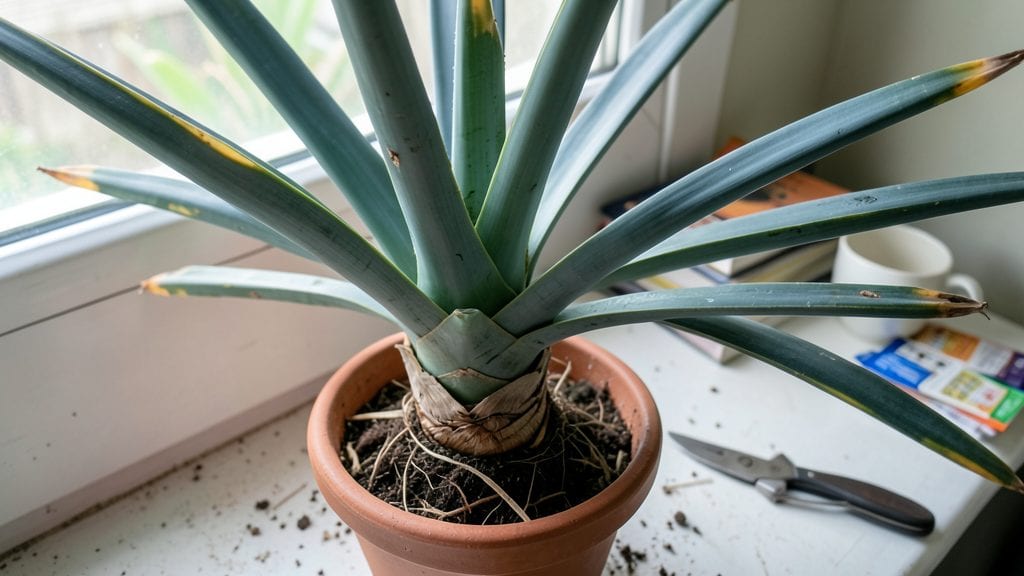
Pruning outdoor yucca plants opens up their growth potential after winter dormancy. ✨ I’ve watched my own yucca go from browned and sad to lush and upright in just a few weeks after a proper trim—it’s like giving the plant a fresh start.
The key is timing: wait until spring when new growth begins, or tackle it after blooms fade in late summer.
You’ll only need basic tools: sharp pruners, rubbing alcohol for sterilizing cuts, and thick gloves to protect against the plant’s sharp edges. Focus on removing dead leaves, yellowing fronds, or any stems that look mushy at the base.
Never cut more than a third of the plant at once—yuccas store water in their leaves, and aggressive pruning can shock them.
After trimming, the plant redirects energy to new shoots, often producing vibrant green growth within weeks. I’ve seen my yucca send up fresh leaves by early summer, and the blooming stems return even stronger the next season.
Just avoid fertilizing right after pruning—wait until new growth appears to feed it properly.
This method works for all outdoor yuccas, from the tall, architectural varieties to the smaller rosette types. The secret is patience: a well-pruned yucca will reward you with years of low-maintenance beauty. Ready to revive yours?
📚 In This Guide
- What you need
- Instructions
- Tips and common mistakes
- Wrapping up and next steps
What you need
- ● Pruning shears or bypass pruners: Choose sharp, sterilized shears with a 4- to 6-inch blade for clean cuts. A bypass design prevents crushing stems.
- ● Heavy-duty gloves: Opt for garden gloves with reinforced palms (e.g., leather or Kevlar) to protect against sharp yucca edges and potential sap irritation.
- ● Disinfectant (70% isopropyl alcohol or bleach solution): Mix 1 part bleach to 9 parts water to sterilize tools before and after pruning.
- ● Rubbing alcohol or hand sanitizer: Keep a small bottle handy to clean cuts and prevent bacterial spread.
- ● Heavy-duty trash bags or compost bin: A 30-50 gallon bag for disposing of large pruned fronds (yucca debris can be composted if disease-free).
- ○ Pruning saw (optional but helpful): For thick, woody stalks over ½-inch in diameter, a curved pruning saw makes the job easier.
- ● Hose with nozzle: For rinsing sap off tools and skin after pruning.
- ● Plant wound sealant (e.g., pruning seal): Apply to large cuts to reduce disease risk (follow product instructions).
- ● Ladder or step stool: If your yucca is taller than 6 feet, ensure stability when reaching upper fronds.
- ● Notebook & pen: To track pruning dates and note any signs of pests/disease.
Step-by-step guide to pruning outdoor yucca plants
Reviving your yucca’s growth starts with smart pruning—here’s how to do it safely and effectively.
✂️ Step 1: Identify and Remove Dead or Damaged Growth
Start by examining your yucca for any brown, brittle, or shriveled leaves—these are dead and need removal. Use clean, sharp pruning shears to cut stems ½ inch above a healthy leaf node or where the dead growth meets the green. Never tear leaves; clean cuts prevent disease and encourage new shoots.
Focus on removing only what’s clearly dead. Yuccas are tough, and some leaves may look dry but still have life. Gently tug a suspect leaf—if it resists, leave it. You’ll know you’ve got the right cuts when you see fresh green tissue exposed at the base of each cut.
✂️ Step 2: Prune Overcrowded or Weak Stems
Yuccas often develop multiple stems from the base. If your plant has more than 3-4 strong stems, thin out the weakest ones at the base with your pruning shears. Cut just above the soil line to encourage the remaining stems to grow thicker and more vibrant.
Watch for stems that lean excessively or show signs of stress—these are prime candidates for removal. After pruning, you’ll notice more air circulation around the plant, which helps prevent fungal issues. This step also redirects energy to the healthiest stems, promoting stronger regrowth.
✂️ Step 3: Trim Flower Stems After Blooming
Once your yucca’s dramatic flower spikes fade, cut them back to the ground with clean shears. This prevents the plant from wasting energy on seed production and redirects it to foliage growth. Avoid leaving stubs—cut all the way down to the base for the cleanest results.
Timing matters here: prune flower stems immediately after they brown and die back naturally. If you leave them too long, they can weaken the plant. After trimming, your yucca will focus on rebuilding its energy reserves, often resulting in bushier, more lush growth in the following season.
💧 Step 4: Water and Fertilize for Recovery
After pruning, give your yucca a deep watering to help it recover. Water deeply but infrequently—yuccas store moisture in their thick leaves, so overwatering is a common mistake. Wait until the top 2-3 inches of soil feel dry before watering again.
Apply a balanced, slow-release fertilizer 4-6 weeks after pruning to support new growth. Look for a fertilizer with equal parts nitrogen, phosphorus, and potassium. This boosts your yucca’s resilience and encourages stronger stems and leaves to emerge.
Tips & tricks for perfect outdoor yucca plant pruning
Here's what nobody tells you about pruning yuccas—these tricks make all the difference between a struggling plant and a thriving one.
Tool Prep Matters: Before you even touch your yucca, sterilize your pruning shears with rubbing alcohol. I learned this the hard way after transferring fungal spores from one plant to another. Clean tools prevent infections that can kill your yucca's new growth. Also, make sure your blades are sharp—dull shears crush stems instead of making clean cuts, which stresses the plant.
The Half-Inch Rule: When removing dead growth in Step 1, that ½ inch above a healthy node is critical. Cutting too close can damage the growth point, while cutting too far leaves a vulnerable spot for disease. I always count the nodes from the base to mark my cut line—this consistency gives your yucca the best chance to regrow properly.
Timing for Flower Stems: The instructions mention pruning flower spikes "immediately after they brown," but here's the real talk: I wait until they're completely crispy to the touch. This ensures all energy has been redirected from the flowers back to the plant. If you cut too soon, you might still be removing some of that stored energy.
Post-Pruning Inspection: After completing all cuts, do a final walk-around of your yucca. Look for any remaining dead spots you might have missed, and check that all cuts are clean and exposed fresh green tissue. This final check helps prevent future problems before they start. I've saved several yuccas from decline just by catching missed cuts during this step.
Pro Tips for Outdoor Yucca Plant Pruning
- Here's what nobody tells you about pruning yuccas—these tricks make all the difference between a struggling plant and a thriving one.
- Tool Prep Matters: Before you even touch your yucca, sterilize your pruning shears with rubbing alcohol.
- The Half-Inch Rule: When removing dead growth in Step 1, that ½ inch above a healthy node is critical.
Frequently asked questions
Got questions about pruning your outdoor yucca plant? You’re not alone!
Whether you're a first-time gardener or just want to refine your skills, these common queries cover the essentials—from timing to troubleshooting. Dive in to keep your yucca thriving!
When is the best time to prune a yucca plant?
The ideal time to prune yucca is late winter or early spring, just before new growth begins. Avoid pruning in fall or winter, as cold weather can stress the plant. If you spot dead or damaged leaves year-round, remove them promptly—but wait for warmer months for major trims.
How do I know if I’m pruning too much?
Over-pruning can harm your yucca by removing too much foliage or damaging the central growing point. Stop if you see less than ⅓ of the plant’s height remaining or if the stems look bare. Yuccas are resilient, but drastic cuts can stunt growth or invite pests. When in doubt, prune conservatively!
Can I prune a yucca plant in summer?
Summer pruning is possible, but only for dead or diseased parts. Avoid heavy cuts during peak heat (June–August), as the plant struggles to recover. If you must prune, do it early morning or late evening to reduce stress. Water thoroughly before and after to aid healing.
What should I do with the pruned yucca leaves?
Pruned yucca leaves can be composted, used as mulch, or repurposed! Dry the tougher fronds and use them as natural barriers in gardens. Softer leaves can be chopped for compost. Never burn them—yucca leaves release toxic fumes when burned. Get creative or recycle them responsibly!
My yucca looks sad after pruning—what went wrong?
If your yucca wilts, yellows, or stops growing post-prune, you might have cut too aggressively or used dull tools (causing tears). Check for pests or rot at the base. Give it time—yuccas often rebound in 2–4 weeks. If issues persist, adjust your approach or consult a local nursery.
Wrapping up and next steps
Pruning your outdoor yucca plant doesn’t have to be intimidating—it’s all about timing, technique, and a little patience! 🌱 By removing dead foliage, shaping for growth, and protecting against pests, you’re giving your plant a fresh start for the season.
With the right tools and steps, you’ll soon see revitalized, vibrant blooms and a stronger structure.
Ready to take the next step? Monitor your yucca after pruning—water it lightly, keep an eye on new growth, and enjoy the rewards of your green thumb! For extra care tips, check out our seasonal yucca maintenance guide.