
Watering
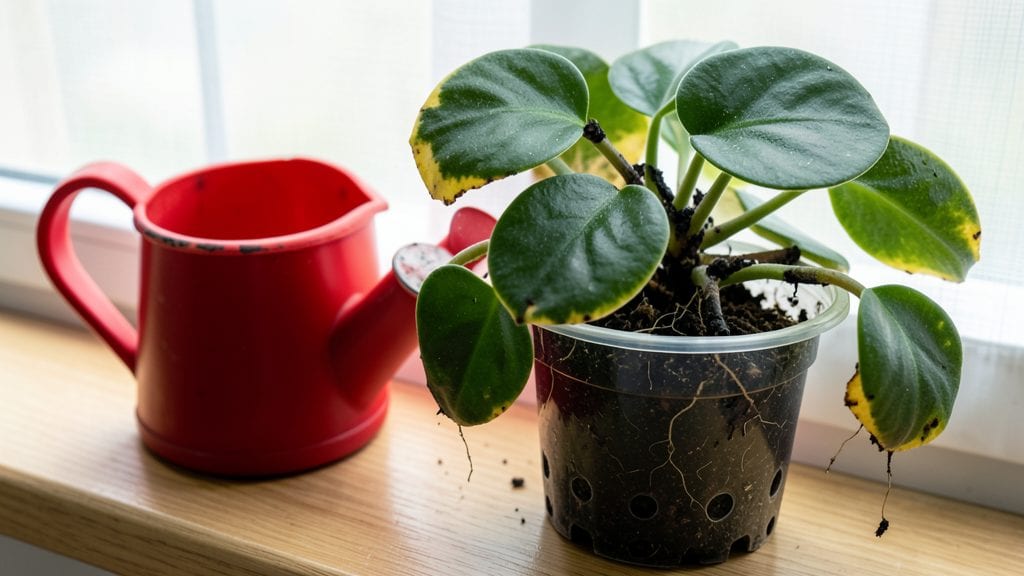
Overwatered plant leaves turn yellow, droop, and feel mushy—exactly what happened to my ferns last summer. 🌿 The good news? You can revive them without losing the plant entirely.
I’ve fixed this problem more times than I can count, and the solution always comes down to three key adjustments: drainage, watering habits, and a little pruning.
The root cause is usually soggy soil, either from too-frequent watering or containers without drainage holes. Even houseplants in pretty decorative pots can suffer if their roots sit in waterlogged soil.
The first step is always checking how wet the soil is before watering—stick your finger in an inch deep. If it’s damp, wait.
By the time you’ve adjusted your watering schedule and trimmed the damaged leaves, you’ll see fresh, crisp growth within a couple of weeks. The plants breathe easier, the soil drains properly, and you’ll spot the difference in how vibrant the foliage looks.
Here’s exactly how to turn things around—no guesswork involved.
This works for everything from ferns to tomatoes, whether you’re dealing with a single pot or a raised bed. The key is consistency: once you’ve fixed the drainage and watering, stick with it. Your plants will thank you with stronger stems and healthier leaves all season long.
Root Causes Of Soggy Leaves
When your plant’s leaves start looking sad—yellow, mushy, or drooping—it’s often a cry for help from its roots. Overwatering disrupts the delicate balance plants need to thrive, and understanding why it happens is the first step to fixing it.
Let’s dig into the science behind soggy leaves and uncover the real culprits.
Plants need air in their soil almost as much as they need water. Without proper drainage, excess moisture gets trapped, suffocating roots and cutting off oxygen. This creates an anaerobic (oxygen-free) environment, where harmful bacteria and fungi thrive, leading to root rot—a silent killer of houseplants.
Here’s how it breaks down:
- Compacted or clay-heavy soil: These soils repel water instead of absorbing it, leaving roots waterlogged. Think of it like trying to drink through a straw clogged with mud.
- No drainage holes: Pots without holes act like bathtubs, holding water against the plant’s roots. Even "self-watering" pots can become death traps if not monitored.
- Overpotting: A pot that’s too large holds excess moisture for days, giving roots no chance to dry out between waterings.
💡 Pro Tip: Test your soil’s drainage by filling a pot with water and timing how long it takes to drain completely. If it sits for more than 10–15 minutes, your plant is at risk.
Sticking to a rigid watering schedule—like every Tuesday or Thursday—is a fast track to overwatering. Plants drink based on environmental factors, not your calendar. Humidity, temperature, light, and even season affect how quickly soil dries.
For example:
| Factor | How It Affects Water Needs |
|---|---|
| 🌡️ Low Light | Plants photosynthesize slower, using less water. Overwatering in dim rooms = soggy roots. |
| 🌡️ High Humidity | Air already holds moisture, so soil stays damp longer. Tropical plants (like ferns) may need less water than you think! |
| 🌡️ Cold Drafts | Cooler temps slow root activity, making plants less able to absorb excess water. |
✨ Key Insight: Instead of watering on a schedule, use the finger test. Stick your index finger 1–2 inches into the soil. If it’s damp, wait. If it’s dry, water deeply until it runs out the drainage hole.
Not all soil is created equal. Peat-based potting mixes (common in stores) hold water like a sponge, while cactus or succulent mixes are designed to dry out fast. If your plant’s soil is too dense or lacks organic matter, water pools around roots instead of being absorbed gradually.
Common offenders:
- Pure garden soil: Compacted and nutrient-poor, it repels water and suffocates roots.
- No perlite or sand: These additives create air pockets, helping roots "breathe." Without them, soil acts like concrete.
- Old, broken-down soil: Over time, organic matter decomposes, leaving a heavy, waterlogged mess.
🔥 Fix It: Amend your soil with 20–30% perlite, pumice, or orchid bark to improve aeration. For tropical plants, a mix of peat moss, coconut coir, and vermiculite works wonders.
Sometimes, overwatering isn’t your fault—it’s the environment’s. High humidity, sudden rain, or even misting can trick you into thinking your plant is thirsty when it’s already soaked.
Watch for these red flags:
- Misting too often: While it boosts humidity, it also adds moisture to leaves and soil, increasing rot risk.
- Grouping plants too closely: Transpiration (water vapor release) from one plant can create a microclimate that keeps others overly damp.
- Rain or high humidity seasons: Outdoor plants in rainy climates or indoor plants near bathrooms/kitchens may need less water.
🎯 Solution: Move plants away from humid sources, reduce misting, and monitor soil moisture more closely during wet seasons.
Reviving Overwatered Leaves Fast
If your plant’s leaves are drooping, yellowing, or turning mushy from too much water, don’t panic—there’s still hope! The key is acting quickly to drain excess moisture, improve airflow, and adjust your watering habits.
Below, we’ve mapped out practical fixes based on the root cause of your plant’s distress, plus prevention tips to keep it thriving long-term.
Overwatering starts with soggy soil, so your first move should be to remove the excess water before it causes root rot or fungal issues.
🍳 Fix: The "Drain-and-Air" Method
- Gently remove the plant from its pot and inspect the roots.
- Shake off loose soil to expose waterlogged areas.
- Pat the roots dry with a clean paper towel or cloth (don’t rub aggressively—roots are delicate!).
- Repot in fresh, dry soil (use a well-draining mix if your current soil is compacted).
- Let the plant sit in a dry spot for 24–48 hours before watering again.
⏰ Pro Tip:
- If repotting isn’t an option, place the pot in a shallow tray and let it drain completely. Avoid saucers that trap water—opt for elevated pots or terracotta (which wicks away moisture).
Now that the excess water is gone, you’ll need to rewrite your watering routine to match your plant’s needs. Here’s how to tell if you’re overdoing it:
| Sign | What It Means | Fix It Like This |
|---|---|---|
| Yellowing leaves | Root suffocation from too much water | Water only when the top 1–2 inches of soil are dry. Use the finger test. |
| Mushy stems/roots | Fungal/bacterial rot | Trim affected areas with sterilized scissors, then repot in fresh, dry soil. |
| Wilting despite wet soil | Compacted soil blocking oxygen | Add perlite or sand to improve drainage. Avoid heavy pots (like ceramic). |
| White mold on soil | Fungal growth from excess moisture | Remove moldy soil, sterilize the pot, and use a fungicide if needed. |
💡 Prevention Tip:
- Stick to the "soak-and-dry" rule: Water deeply until it runs out the drainage holes, then wait until the soil is 60% dry before watering again. Use a moisture meter for accuracy!
Overwatered plants often suffer from poor circulation, which slows recovery. Here’s how to create the perfect healing environment:
👨🍳 Fix: Optimize Your Plant’s Space
- Move it to a brighter spot (but avoid direct sun if leaves are stressed—start with indirect light).
- Increase airflow by: - Placing a small fan nearby (on low setting) to mimic natural breezes. - Avoid crowding plants—give them at least 6 inches of space between leaves.
- Trim damaged foliage with clean scissors to redirect energy to healthy growth.
✨ Bonus Recovery Hack:
- Mist lightly (if humidity is low) to help stressed leaves recover, but avoid wetting the soil. Aim for 40–60% humidity—a pebble tray with water can help!
Once your plant is back on track, prevent future overwatering with these game-changers:
- 📊 Use the "Knuckle Test": Stick your finger knuckle-deep into the soil. If it feels damp, wait.
If it’s dry, it’s time to water. - 🌡️ Season Matters: Plants need less water in winter (growth slows) and more in summer (evaporation speeds up). - 🏺 Choose the Right Pot: Terracotta breathes better than plastic.
If repotting, pick a container with drainage holes—no exceptions! - 💧 Water at the Right Time: Early morning is best—soil has time to dry before nighttime humidity sets in.
With these steps, your plant should bounce back in 1–2 weeks. Keep an eye on its progress, and soon, you’ll have a lush, happy leafy friend—no more soggy sadness! 🌱
Frequently asked questions
How can I tell if my plant has yellow leaves from overwatering vs. natural aging?
Yellow leaves from overwatering usually appear mushy or limp, especially near the bottom of the plant, and may have brown edges. Natural aging (like with snake plants) shows crisp, dry yellow leaves that fall off easily. Also check the soil—if it’s damp or smells sour, that’s your clue!
Can I save a plant with completely black, mushy leaves?
If the leaves are already black and mushy, the damage is severe—but don’t give up! Trim all blackened foliage with sterilized scissors, repot in fresh, dry soil, and let the plant recover in bright, indirect light. The roots may still be salvageable if they’re firm (not slimy or brown).
Why do some plants wilt even when the soil is wet?
Wilted leaves in wet soil mean root suffocation—the roots can’t absorb oxygen. This happens in heavy clay soil or pots without drainage. Try the "drain-and-air" method: Remove the plant, rinse the roots gently, and repot in a mix with 30% perlite or sand to improve airflow.
How often should I water my plant after fixing overwatering?
After recovery, wait until the top 1–2 inches of soil are completely dry before watering again. Use the finger test: Stick your finger in—if it feels damp, wait. For most houseplants, this means watering every 7–10 days in winter and every 5–7 days in summer.
What’s the fastest way to dry out waterlogged soil?
Place the pot in a sunny spot (but avoid direct sun if leaves are stressed) and use a small fan on low to increase airflow. For potted plants, remove the saucer and let excess water drain completely. If soil stays soggy for days, repot with a well-draining mix (like cactus soil with perlite).