
Watering
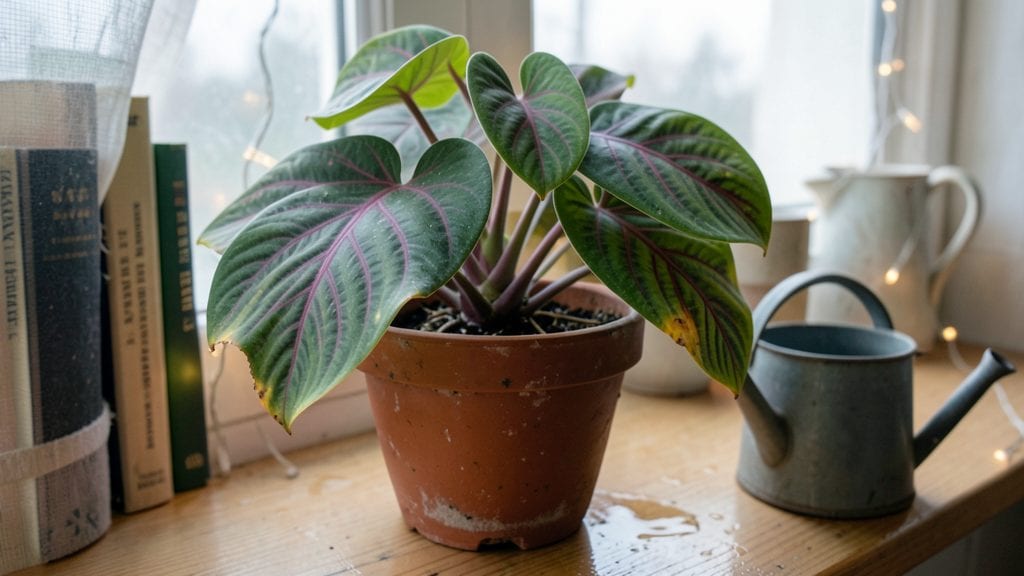
That drooping prayer plant you’ve got might just be an overwatered prayer plant—but don’t panic, because a little TLC can revive it faster than you’d expect. ✨ I’ve nursed more soggy ones back to life than I’d like to admit, and the fix is simpler than you’d think.
The key is catching it early, when the leaves are still plump but the soil smells like a swamp.
First, stop watering until the top inch of soil feels dry to the touch. That means no more guesswork—stick your finger in the pot before you grab the watering can.
Next, trim any mushy stems or yellow leaves with clean scissors, then repot in fresh, well-draining mix. Most people overlook the drainage hole, but that’s where the magic happens.
Within 2-3 weeks, you’ll see those iconic upright leaves returning, crisp and vibrant. The plant will start folding its leaves at night again—proof it’s back in balance.
Just keep watering every 10-14 days (less in winter) and avoid saucers that trap moisture. Trust me, your prayer plant will thank you.
This works for both container-grown and soil-planted prayer plants, though containers dry out faster. The same rules apply whether you’re in a humid basement or a bright kitchen window. Once you’ve mastered the rescue, you’ll spot the warning signs before they become emergencies.
Root Causes Of Overwatering
When your Maranta leuconeura (prayer plant) starts looking sad with droopy leaves, the culprit is often too much love—literally. Overwatering isn’t just about giving your plant extra drinks; it’s a cascade of issues triggered by poor drainage, humidity mismatches, and even the wrong soil.
Let’s break down the science behind why this happens so you can fix it fast.
Prayer plants thrive in well-draining soil, but when they’re planted in heavy, compacted, or clay-based mixes, water pools around the roots instead of draining away. Here’s why this causes trouble:
- Oxygen starvation: Roots need air to breathe—just like you! When soil stays soggy, oxygen levels drop, suffocating roots and triggering anaerobic conditions (a fancy term for "no oxygen"). This leads to root rot, where harmful fungi and bacteria feast on weakened roots.
- Nutrient lockout: Excess water washes away essential nutrients like nitrogen and potassium, which the plant can’t absorb. Even if you fertilize, soggy soil acts like a sieve, flushing away food before the plant can use it.
- Toxic buildup: Over time, waterlogged soil accumulates salts and chemicals from tap water or fertilizers. These toxins burn roots, causing leaf drop and a dull, lifeless appearance.
Pro tip: 🔥 Test your soil’s drainage by filling a cup with potting mix, adding water, and timing how long it takes to drain. If it takes more than 10–15 minutes, your mix is too dense. Amend with perlite, orchid bark, or coconut coir to improve airflow.
Many plant owners fall into the trap of watering by calendar rather than by observation. Prayer plants are tropical but not aquatic—they despise soggy conditions. Here’s the science behind why rigid schedules backfire:
- Moisture inconsistency: A set watering routine (e.g., every Tuesday) ignores factors like humidity, temperature, and pot size. If your home is dry in winter or humid in summer, the same schedule leads to either drought or drowning.
- Topsoil illusion: The top inch of soil might feel dry, but deeper layers stay wet for days. Prayer plants have shallow roots, so they rely on the top 2–3 inches of soil being moist but not soaked. A quick finger test isn’t enough—dig deeper!
- Pot material matters: Terracotta pots dry out faster than plastic, but they also wick moisture unevenly. If your plant is in a non-porous container, water can pool at the bottom, creating a permanent wet zone where roots rot.
Pro tip: 🌡️ Use the "squeeze test" for plastic pots: Gently press the soil—if it’s damp but not dripping, wait another day. For terracotta, check weight: A dry pot feels noticeably lighter.
Prayer plants love humidity (60–70% is ideal), but when humidity spikes without proper airflow, excess moisture lingers around leaves and soil. Here’s how it goes wrong:
- Leaf surface saturation: High humidity + overwatering = waterlogged foliage. Leaves absorb moisture like sponges, leading to bacterial or fungal infections (e.g., Phytophthora root rot). Look for yellow-brown spots or mushy stems—these are red flags.
- Stagnant air pockets: In humid environments, air doesn’t circulate well, trapping moisture near the soil. This creates a greenhouse effect where pathogens thrive and roots suffocate.
- Evaporation slowdown: If your plant is in a closed terrarium or tightly sealed pot, water evaporates at a snail’s pace. Even a "light" watering can turn into a permanent swamp.
Pro tip: ✨ Boost airflow without drying out by placing a small fan nearby (on low) or misting leaves only in the morning so they dry quickly. Avoid grouping plants too closely—they’ll create their own humid microclimate.
Now that you know the root causes (pun intended), the next step is reviving your prayer plant with targeted fixes. Stay tuned!
Reviving Your Plant Step by Step
Now that you know the signs and causes of an overwatered prayer plant, it’s time to take action! The good news? With the right approach, your plant can bounce back to its vibrant, healthy self.
Below are practical, step-by-step solutions tailored to the most common causes of overwatering—plus tips to keep your prayer plant thriving long-term.
If your prayer plant’s leaves are turning yellow or mushy, root rot is likely the culprit. Act fast to save it!
Step 1: Remove the Plant from the Pot 👨🍳 Gently take your plant out of its container. Shake off excess soil to inspect the roots.
Step 2: Trim the Damaged Roots ✂️ Use sterilized scissors to cut away any black, mushy, or smelly roots. Healthy roots should be firm and white or light tan.
Step 3: Repot in Fresh, Well-Draining Soil 🏺 Choose a clean pot with drainage holes (terracotta works great!). Use a mix of:
- 60% well-draining potting soil (like a cactus or African violet mix)
- 30% perlite or orchid bark (for aeration)
- 10% charcoal or coco coir (to prevent future rot)
Step 4: Water Lightly & Monitor 💧 Water only when the top 1–2 inches of soil are dry. Avoid soggy conditions—let excess water drain completely.
💡 Pro Tip: If your plant is severely stressed, mist it lightly with hydrogen peroxide (3%) to help sterilize the roots before repotting.
Overwatering can cause leaves to droop or feel limp. Here’s how to perk them up:
Step 1: Let the Soil Dry Out Completely ⏰ Stop watering immediately and place the plant in bright, indirect light (no direct sun yet—it’s still recovering).
Step 2: Prune Damaged Foliage ✂️ Snip off any brown, yellow, or crispy leaves with clean scissors. This helps the plant redirect energy to healthy growth.
Step 3: Adjust Your Watering Routine 💧 Prayer plants thrive on a "soak and dry" method:
- Water thoroughly until it drains from the bottom.
- Wait until the top 1–2 inches of soil are dry before watering again.
- Never let it sit in water—empty the saucer after 10 minutes.
🌡️ Temperature & Humidity Check 🌡️ Ensure your plant is in a space with:
- 65–80°F (18–27°C) temperatures.
- Moderate humidity (40–60%). If your home is dry, place a pebble tray with water nearby.
Once your prayer plant is on the mend, keep these long-term fixes in mind:
| Common Mistake | Solution |
|---|---|
| No drainage holes | Repot in a container with holes or use a cache pot with gravel underneath. |
| Overcrowded roots | Repot every 1–2 years in a slightly larger pot. |
| Sticking to a schedule | Check soil moisture before watering—stick your finger in! |
| Using heavy soil | Mix in perlite, orchid bark, or coco coir for better aeration. |
| Ignoring leaf signals | Wilted = thirsty? No! Drooping often means too much water, not too little. |
✨ Bonus Tip: If you’re unsure when to water, weigh your pot—if it’s light, it’s dry!
With these steps, your prayer plant should start regaining its iconic folded leaves within 2–4 weeks. Patience is key—avoid the urge to overwater again, and soon, your green friend will be back to its happy, prayer-folded self! 🙏🌿
Frequently asked questions about prayer plant care
Why do my prayer plant leaves turn yellow when overwatered?
Yellow leaves signal root rot from excess moisture. The plant can't absorb nutrients in soggy soil, causing leaves to yellow and drop. Check for mushy stems—this confirms overwatering. Trim affected areas and repot in fresh, well-draining mix to revive it.
How often should I water my prayer plant after recovery?
Wait until the top 1-2 inches of soil are completely dry. In summer, this may be every 7-10 days; in winter, stretch to 10-14 days. Always use pots with drainage holes to prevent recurrence.
Can I save a prayer plant with completely black stems?
If stems are fully black and mushy, the plant is likely beyond saving. However, check for any green growth at the base—healthy tissue can regrow if you trim the dead parts and repot. For severe cases, propagate from healthy leaves if available.
What's the best soil mix to prevent future overwatering?
Use a blend of 60% peat-free potting soil, 30% perlite or orchid bark, and 10% charcoal. This improves drainage while retaining enough moisture. Avoid heavy garden soil—it compacts and traps water.
Will my prayer plant recover if I've been overwatering for months?
With consistent care, yes! Start by trimming all damaged foliage, repotting in fresh mix, and adjusting your watering routine. Recovery takes 4-8 weeks, but new growth will emerge from the base. Patience is key—don't rush the process.