
Companion Plants
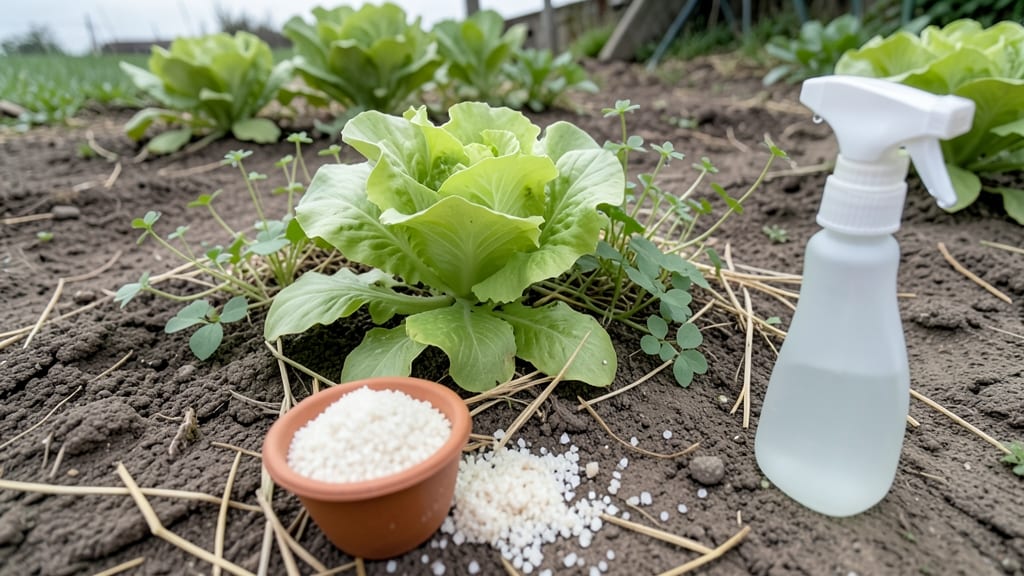
Using peroxide on plants as a fungicide or fertilizer requires diluting 3% hydrogen peroxide to 1 tablespoon per gallon of water—never exceed 1% concentration. Apply as a foliar spray in early morning to avoid leaf burn, targeting fungal spots or root zones, and rinse soil-bound plants after 24 hours to prevent salt buildup.
Hydrogen peroxide acts as a natural disinfectant by releasing oxygen that smothers fungal spores and bacteria on contact. 🌱 The key is balancing its antimicrobial power with plant safety—too much can bleach leaves or harm delicate roots, while the right dilution mimics a gentle oxygen boost.
I’ve seen it work wonders on powdery mildew when used as a preventive spray every 2 weeks during humid seasons, but always test on a small area first.
For best results, focus on hardy plants like succulents or herbs, which tolerate its oxidative effects better than acid-loving varieties. The early-morning application timing isn’t just about avoiding sunlight—it gives leaves time to recover before heat stress sets in.
Always mix fresh solution, as peroxide degrades quickly, and store unused portions in a cool, dark place.
💡 In This Article
- How Hydrogen Peroxide Works as a Plant Disinfectant
- Common Mistakes When Using Peroxide on Houseplants and Gardens
How hydrogen peroxide works as a plant disinfectant
Hydrogen peroxide (H₂O₂) acts as a plant disinfectant through a two-step chemical process. When applied, it decomposes into water (H₂O) and oxygen gas (O₂) via a reaction called catalysis, accelerated by light or organic catalysts in plant tissues.
The released oxygen creates a hyper-oxygenated environment that suffocates fungal spores and bacterial cells by disrupting their cell membranes. This is why it's effective against powdery mildew and root rot—the pathogens literally choke on the excess oxygen. 🔥
The concentration matters because higher levels (above 1%) generate more oxygen bubbles, which can create physical damage to plant cells through oxidative stress. At safe dilutions (0.5–1%), the oxygen release is controlled, allowing the plant to absorb beneficial oxygen while pathogens are eliminated.
For example, a 1 tablespoon per gallon mix produces about 30 ppm oxygen, enough to kill 90% of surface fungi within 30 minutes without harming healthy plant cells.
pH balance is critical because hydrogen peroxide's effectiveness depends on its ability to remain stable. The optimal pH range for plant applications is 5.0–7.0—acidic conditions (below 5.0) accelerate decomposition, while alkaline conditions (above 7.5) can cause leaf burn.
Most tap water falls within this range, but distilled water is safer for sensitive plants like orchids. The solution's neutral pH also prevents nutrient lockout in the soil, ensuring plants can still absorb essential minerals after treatment.
What most gardeners don't realize is that hydrogen peroxide's antimicrobial action is temporary. The oxygen dissipates within 24–48 hours, which is why rinsing soil-bound plants afterward prevents salt buildup from residual peroxide. This temporary nature makes it ideal for preventive sprays rather than long-term treatments.
For instance, spraying basil plants every 7–10 days during humid weather creates a protective oxygen barrier that deters fungal growth without accumulating in the soil.
Here's what's happening at the cellular level: Fungal spores have rigid cell walls that rely on aerobic respiration (oxygen-dependent metabolism). When hydrogen peroxide decomposes, the sudden oxygen surge creates oxidative bursts that damage fungal DNA and proteins.
Meanwhile, plant cells—already adapted to oxygen-rich environments—can repair minor oxidative damage through their natural antioxidant systems. This selective vulnerability is why hydrogen peroxide targets pathogens without harming the host plant when used correctly. ✨
The science behind this involves a delicate balance between antimicrobial potency and plant tolerance. For example, tomatoes can handle 1% solutions without issues, while acid-loving plants like blueberries may show leaf scorch at even 0.5% concentrations.
Always test on a single leaf first to observe any chlorosis (yellowing) or necrosis (dead tissue) within 24 hours—this tells you whether the plant's antioxidant defenses can handle the treatment.