
Diseases
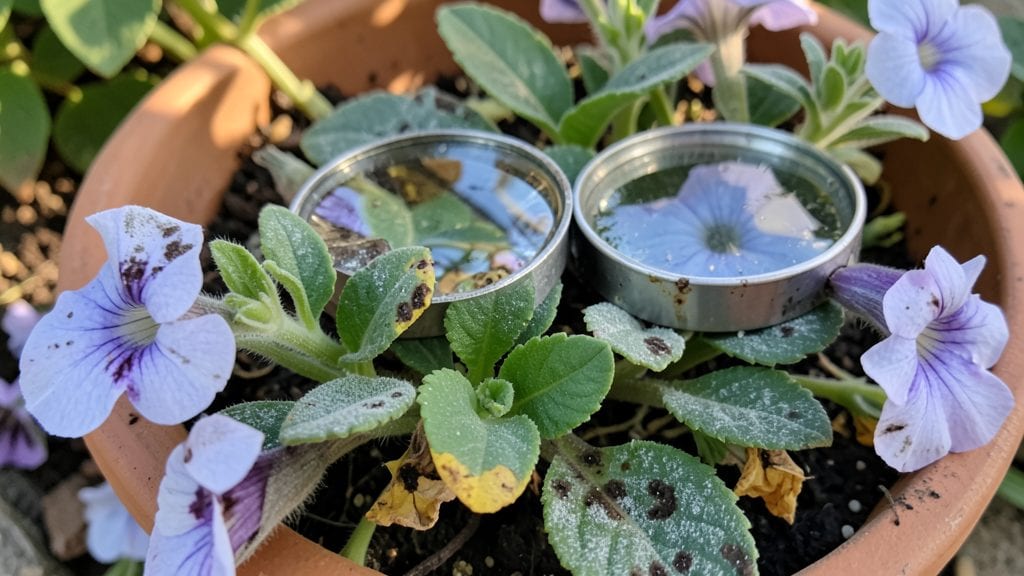
Petunia plant diseases can turn vibrant blooms into sad, wilted messes faster than you think. 🌿 I’ve watched healthy petunias go from showstopper to sorry in just a few days—usually because I missed the early warning signs.
The good news? Most issues have simple organic fixes if you catch them early.
Overwatering, crowded plants, and poor airflow create the perfect storm for fungal infections like powdery mildew or botrytis. My petunias used to get black spots every summer until I adjusted watering to early morning and thinned out the plants. Now they stay lush and bloom all season.
You’ll learn to spot the first signs—yellowing leaves, white fuzzy patches, or mushy stems—and how to treat them without harsh chemicals. With the right care, your petunias will bounce back stronger than ever, and you’ll save money on replacements.
This works for container petunias, hanging baskets, or garden beds. Let’s get those plants thriving again—starting with the first step: knowing what’s wrong.
Root Causes of Petunia Problems
Petunia plants are stunning additions to gardens, but they’re not immune to stress and disease. Understanding why these issues arise is the first step to prevention. Below, we break down the key factors that weaken petunias and make them vulnerable—so you can address them before they spiral.
Petunias thrive in moderate spacing (12–18 inches apart), but when crowded, their leaves brush together, creating the perfect humid microclimate for fungal spores. Poor airflow also traps moisture, slowing evaporation and prolonging damp conditions—ideal for pathogens like Botrytis cinerea (gray mold) and Alternaria (leaf spot).
The science behind it:
- Relative humidity rises above 70% in stagnant air, accelerating fungal growth.
- Leaf wetness duration (how long moisture lingers) directly correlates with disease severity. A single night of trapped dew can trigger infections.
- Nutrient competition occurs when roots tangle, weakening plants and reducing their ability to fight off pests.
Actionable fix: ✅ Space plants properly and prune congested foliage to improve circulation. ✅ Avoid overhead watering—use drip irrigation or water at the base early in the day.
Petunias hate "wet feet." While they love consistent moisture, poor drainage or overwatering leads to:
- Root rot (Phytophthora or Pythium), where roots suffocate in anaerobic (oxygen-deprived) soil.
- Fungal infections like powdery mildew (Erysiphe cichoracearum), which thrives in soggy conditions.
The science behind it:
- Soil saturation triggers anaerobic bacteria that release toxins, damaging roots.
- Fungal spores germinate faster in waterlogged soil (some need just 6 hours of moisture to activate).
- Temperature fluctuations in damp soil create stress, weakening plants’ defenses.
Actionable fix: ✅ Use well-draining potting mix (add perlite or sand) and elevate containers to prevent water pooling. ✅ Water only when the top inch of soil is dry—never on a schedule.
Petunias deprived of key nutrients (especially nitrogen, phosphorus, and magnesium) become stressed and susceptible to diseases. For example:
- Nitrogen deficiency (yellowing lower leaves) weakens cell walls, making them easier targets for pathogens.
- Magnesium deficiency (interveinal chlorosis) disrupts photosynthesis, reducing energy for disease resistance.
The science behind it:
- Nutrient-deficient plants produce fewer phenolic compounds (natural antifungal agents).
- pH imbalances (too acidic or alkaline) lock out essential minerals, like iron or zinc, further stressing the plant.
- Over-fertilization (especially with high salts) can burn roots, making them vulnerable to secondary infections.
Actionable fix: ✅ Test soil pH (ideal: 6.0–7.0) and amend with compost or lime if needed. ✅ Use a balanced fertilizer (10-10-10 or 5-5-5) every 4–6 weeks during growing season.
Pests like aphids, spider mites, and whiteflies don’t just damage leaves—they injure plant tissue, creating entry points for bacteria and fungi. For instance:
- Aphid saliva contains toxins that weaken cell membranes.
- Mite feeding disrupts stomata (pores), increasing water loss and stress.
The science behind it:
- Wound sites from chewing insects (e.g., caterpillars) expose vascular tissues to bacterial invaders like Xanthomonas.
- Honeydew (sugar-rich waste from aphids) feeds sooty mold fungi, which smothers leaves and blocks sunlight.
Actionable fix: ✅ Inspect leaves daily—remove pests manually or spray with neem oil (1 tbsp per quart of water). ✅ Introduce beneficial insects (ladybugs, lacewings) to control outbreaks naturally.
Petunias are tender perennials—they struggle with:
- Sudden temperature drops (below 50°F/10°C), which can trigger cold stress and fungal outbreaks.
- High humidity + heat (above 85°F/29°C), creating ideal conditions for powdery mildew.
- Poor airflow in greenhouses, where humidity can exceed 90% without ventilation.
The science behind it:
- Cold stress disrupts membrane integrity, making cells more permeable to pathogens.
- Heat stress increases respiration rates, depleting energy reserves needed for defense.
- Humidity spikes (especially at night) delay leaf drying, prolonging moisture on surfaces.
Actionable fix: ✅ Acclimate petunias gradually to temperature changes (harden off seedlings). ✅ Use shade cloth in peak summer to reduce heat stress. ✅ Improve ventilation with fans or open greenhouse vents.
Reusing gardening tools or planting in infested soil spreads diseases like tomato spotted wilt virus (TSWV) or Verticillium wilt. Even compost from diseased plants can harbor pathogens.
The science behind it:
- Mechanical transmission occurs when pruners cut infected stems, spreading spores to healthy plants.
- Soilborne pathogens (e.g., Fusarium) can survive for years in organic matter.
- Water splashing during rain or irrigation carries spores from soil to leaves.
Actionable fix: ✅ Sterilize tools with rubbing alcohol between uses. ✅ Rotate planting sites—avoid replanting petunias in the same spot yearly. ✅ Solarize soil (cover with clear plastic for 4–6 weeks in summer) to kill pathogens.
Fixing Petunia Problems Naturally
When your petunias show signs of stress or disease, quick action can make all the difference. Below are practical, organic solutions tailored to the most common issues—plus prevention tips to keep your blooms thriving.
Cause: Too much moisture, poor airflow, or contaminated soil.
How to Fix It: 🔥 Remove infected leaves – Snip off yellowed or spotted foliage with clean scissors, then dispose of them in the trash (not compost). This stops the spread. 🍳 Apply a fungicide spray – Mix 1 tsp baking soda + 1 quart water + a drop of dish soap (the soap helps it stick). Spray early in the morning so the leaves dry quickly. 👨🍳 Improve airflow – Space plants 12–18 inches apart and avoid overcrowding. If growing in containers, thin out stems to let air circulate. ⏰ Water at the base – Use drip irrigation or soaker hoses instead of overhead watering. Water early in the day so foliage dries by night.
Prevention Tip: 💡 Add mulch (like straw or pine needles) around the base to reduce soil splashing onto leaves.
Cause: Aphids, spider mites, or whiteflies thrive in dry, dusty conditions.
How to Fix It: 🔪 Blast pests off – Hold plants under a strong stream of water (aphids hate this!). Repeat every 2–3 days for heavy infestations. 🥘 Neem oil spray – Mix 1 tbsp neem oil + 1 tsp mild soap + 1 quart water. Spray evenly on undersides of leaves (where pests hide). Reapply every 5–7 days until gone. 🌡️ Encourage natural predators – Plant marigolds or basil nearby to attract ladybugs and lacewings, which eat pests. ✨ Diatomaceous earth (DE) – Sprinkle food-grade DE around the base (avoid touching leaves—it’s abrasive). Reapply after rain.
Prevention Tip: 🎯 Keep plants hydrated—dry conditions attract spider mites. Mist leaves lightly on hot days.
Cause: Scorching leaves, wilting, or bleached spots from too much direct sun or heatwaves.
How to Fix It: 🌿 Provide afternoon shade – Use a lightweight shade cloth (30–50%) or move pots to a slightly shadier spot (east-facing is ideal). 💦 Deep watering – Water slowly at the base until soil is 6 inches deep moist. Early morning is best. 🥗 Mulch heavily – Apply 2–3 inches of organic mulch (like shredded leaves) to retain moisture and cool roots. 🍎 Trim damaged leaves – Cut back sunburned or crispy leaves to redirect energy to healthy growth.
Prevention Tip: 💡 Choose heat-tolerant varieties like Petunia ‘Wave’ or Petunia ‘Mitchell’ for hot climates.
Cause: Waterlogged soil cuts off oxygen, leading to black, mushy stems and yellowing leaves.
How to Fix It: 🔥 Stop watering immediately – Let the top 2 inches of soil dry out before watering again. 🍳 Repot if needed – If roots are soft and black, remove the plant, trim rotten roots, and repot in fresh, well-draining soil (mix in perlite or sand). 👨🍳 Improve drainage – Add coarse sand or gravel to the bottom of pots. Ensure containers have drainage holes. ⏰ Water only when soil is dry – Stick your finger 1 inch deep—if it’s dry, it’s time to water.
Prevention Tip: 🎯 Use self-watering pots or terracotta containers (they dry faster than plastic).
Final Pro Tip: 🌟 Rotate plants every few weeks so all sides get even sun and airflow. This prevents uneven growth and disease hotspots!
With these fixes, your petunias will bounce back—and stay healthy with minimal fuss. 🌸
Frequently asked questions
What are the first signs my petunias have a fungal infection?
Look for white powdery coatings (powdery mildew), dark spots with yellow halos (leaf spot), or gray fuzzy growth (botrytis). These usually appear on older leaves first. Check undersides of leaves too—many fungal spores hide there. Act fast by removing infected leaves and improving airflow.
Can I still use my petunias if they have minor pest damage?
Yes! Light aphid or spider mite damage won't kill your plants. Blast pests off with water, then spray with neem oil (1 tbsp per quart of water). For heavy infestations, isolate affected plants and repeat treatments every 5-7 days. Healthy petunias can recover quickly with proper care.
Why do my petunia leaves turn yellow even when I water regularly?
Yellowing leaves often signal overwatering or nutrient deficiency. Check soil moisture—if it's soggy, stop watering until the top 2 inches dry out. Yellowing with green veins suggests magnesium deficiency (Epsom salt spray helps). For nitrogen deficiency, use a balanced fertilizer (10-10-10) every 4-6 weeks.
How do I prevent diseases in petunias before they start?
Focus on proper spacing (12-18 inches apart) and airflow. Water at the base in the morning and avoid overhead sprinkling. Use well-draining soil with perlite, and rotate plants weekly for even sun exposure. Sterilize tools between uses to prevent spreading pathogens.
Are there petunia varieties more resistant to diseases?
Yes! Look for hybrid varieties like 'Wave' petunias or 'Mitchell' series—they're bred for better disease resistance. Also consider surfinia petunias, which have stronger stems that improve airflow. Always check seed packets for disease-resistant labels when selecting new plants.