Plants
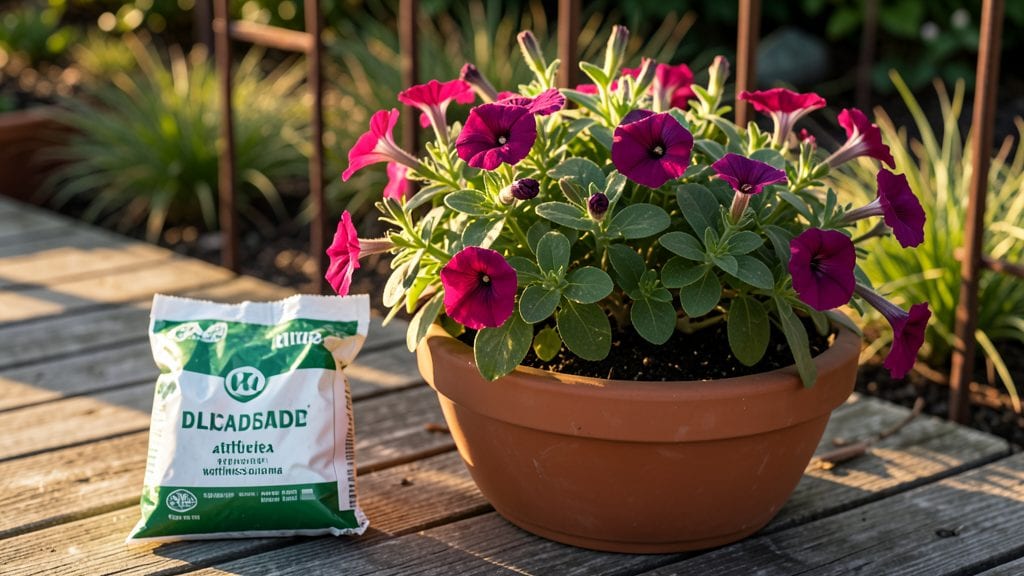
Feeding your petunia plant fertilizer with the right nutrients is the fastest way to turn a handful of blooms into a nonstop floral display 🌸.
Struggling to keep your petunias blooming all season long? The secret isn’t just water or sunlight—it’s the right petunia plant fertilizer with precise N-P-K ratios that fuel vibrant, long-lasting flowers. Too little, and your plants languish; too much, and you’ll burn the roots before the petals even open.
In Zone 6, where petunias thrive from April through October, timing and type matter just as much as the formula. A quick feed every two weeks during peak blooming season (June–August) keeps flowers popping, while a light touch in spring primes your plants for their best performance.
Below, I’ll walk you through the best fertilizers for petunias—whether you prefer liquid, granular, or organic options—and how to spot when you’re overdoing (or underdoing) it. No more guesswork, just bold blooms all season.
Understanding petunia fertilizer N-P-K ratios for maximum blooms
Petunias are showstoppers in any garden, but their vibrant blooms require more than just sunlight and water. The key lies in understanding N-P-K ratios—the three numbers on fertilizer bags that tell you how much nitrogen (N), phosphorus (P), and potassium (K) your petunias will receive.
Each nutrient plays a unique role in fueling growth, root development, and flower production, and getting the balance right can mean the difference between few, short-lived blooms and a nonstop floral display all season long.
As a gardener who’s spent years experimenting with petunias, I’ve learned that phosphorus (P) is the star nutrient for blooming plants like petunias. It’s responsible for root development and flower production, which is why you’ll often see fertilizers labeled with a higher middle number (e.g., 10-20-10).
However, too much nitrogen (the first number) can lead to lush green foliage at the expense of flowers, while potassium (the third number) helps with stress resistance and overall plant health. Balancing these three elements is the secret to keeping your petunias in peak condition.
To help you make the best choice, I’ve broken down the ideal N-P-K ratios for petunias at different growth stages, along with practical tips for application.
Whether you’re a beginner or a seasoned gardener, understanding these ratios will give you the confidence to feed your petunias like a pro and enjoy a garden bursting with color from June through October.
Here’s a quick reference guide to help you navigate the world of petunia fertilizers:
| Growth Stage | Recommended N-P-K Ratio | Primary Focus | Application Timing |
|---|---|---|---|
| Seedlings & Early Growth | 5-10-5 or 10-10-10 | Balanced growth & root establishment | Light feeding every 3-4 weeks |
| Vegetative Growth (Pre-Bloom) | 10-10-10 or 5-10-10 | Healthy foliage & bud formation | Every 2-3 weeks |
| Blooming Season (June-August) | 5-10-5 or 7-7-7 | Maximize flower production | Every 2 weeks |
| Late Summer/Fall (Extending Season) | 5-10-10 or 10-20-10 | Boost phosphorus for late blooms | Every 3-4 weeks (reduce as temps drop) |
The N-P-K ratio you choose depends on where your petunias are in their growth cycle. For example, if you’re starting with seedlings, a balanced fertilizer like 10-10-10 ensures they develop strong roots and foliage without overemphasizing any single nutrient.
Once your petunias begin to flower, shifting to a higher-phosphorus fertilizer (like 5-10-5) encourages more blooms and keeps your garden looking its best.
I recommend starting with a balanced fertilizer like 10-10-10 for the first few weeks after planting. This ratio provides an equal amount of nitrogen, phosphorus, and potassium, which is ideal for young plants that need a little of everything to get established.
Once your petunias start producing buds, switch to a phosphorus-heavy fertilizer to promote flowering. A ratio like 5-10-5 or 7-7-7 is perfect for this stage, as it supports both root health and bloom production.
Potassium (the third number) is often overlooked, but it’s crucial for stress resistance and disease prevention. Petunias grown in hot, humid climates benefit from a fertilizer with a higher potassium content (e.g., 10-10-20) to help them withstand heat stress and pests.
If you’re growing petunias in containers, potassium also helps maintain soil health and prevents nutrient imbalances caused by frequent watering.
One common mistake is using a high-nitrogen fertilizer (like 30-0-0) to encourage leafy growth. While this might seem like a good idea for lush foliage, it actually reduces flowering in petunias.
Instead, focus on a moderate nitrogen level (around 5-10%) paired with higher phosphorus to ensure your plants put their energy into producing vibrant blooms rather than excess leaves. This balance is what turns a mediocre petunia into a garden showstopper.
To apply fertilizer correctly, always follow the package instructions for dosage, but a general rule of thumb is to use 1 tablespoon per plant for granular fertilizers or 1 cup per 10 square feet for slow-release options.
For liquid fertilizers, dilute according to the label and apply every 2-4 weeks during the growing season. The best time to fertilize is in the early morning, which gives the roots plenty of time to absorb nutrients before the heat of the day.
Avoid fertilizing in the afternoon or evening, as this can lead to leaf burn or nutrient runoff.
If you’re unsure about which fertilizer to choose, I always recommend starting with a balanced, slow-release granular fertilizer like Osmocote Smart-Release Plant Food or Miracle-Gro Shake 'n Feed.
These options provide a steady release of nutrients over time, reducing the risk of over-fertilization while keeping your petunias blooming all season. For organic gardeners, fish emulsion or compost tea are excellent choices, as they improve soil health and provide a gentle nutrient boost without the risk of chemical burn.
Remember, the goal is to support continuous blooming, not just a
Best fertilizer types for petunias: liquid vs. granular vs. organic
When it comes to feeding your petunias, choosing the right fertilizer type can mean the difference between vibrant blooms and stunted growth. Each option—liquid fertilizers, granular fertilizers, and organsic fertilizers—offers unique benefits depending on your petunias’ growth stage and blooming needs.
Let’s break down the pros and cons to help you decide which is best for your garden.
Liquid fertilizers provide fast-acting nutrients that petunias can absorb quickly, making them ideal during active blooming seasons. Granular fertilizers release nutrients slowly over time, perfect for long-term feeding without frequent applications. Meanwhile, organsic fertilizers like compost or fish emulsion improve soil health while feeding your plants naturally.
Here’s a quick comparison to help you choose the best option for your petunia plant fertilizer needs:
Liquid Fertilizers
- Fast nutrient absorption
- Easy to apply with watering
- Ideal for quick blooming boosts
- Requires frequent applications
- Can leach out of soil if overused
- Less soil improvement over time
Granular Fertilizers
- Slow-release nutrients
- Long-lasting feeding (4-12 weeks)
- Reduces risk of over-fertilizing
- Slower initial results
- Requires even distribution
- Less flexible for quick fixes
Organic Fertilizers
- Improves soil structure
- Natural nutrient release
- Safe for pets and wildlife
- Slower nutrient availability
- May require larger quantities
- Can attract pests if overused
For newly planted petunias, I recommend starting with a balanced granular fertilizer like 10-10-10 to encourage root and foliage growth. Once blooming begins, switch to a high-phosphorus liquid fertilizer (e.g., 5-10-5) to promote continuous flowering.
Organic options like compost tea or fish emulsion are excellent for maintaining soil health over time.
If you’re growing petunias in containers, liquid fertilizers are your best bet because they’re easier to control and won’t leach out as quickly. For in-ground plantings, a mix of granular and organic fertilizers can provide steady nutrition without overwhelming the soil.
Always follow the label instructions to avoid over-fertilizing, which can burn roots and reduce blooms.
Remember, the key to petunia care is consistency. Whether you choose liquid, granular, or organic fertilizers, apply them every 2-4 weeks during the growing season (April to September) for the best results. Pair your fertilizer routine with regular deadheading to keep those blooms coming all summer long! 🌸