
Vegetables
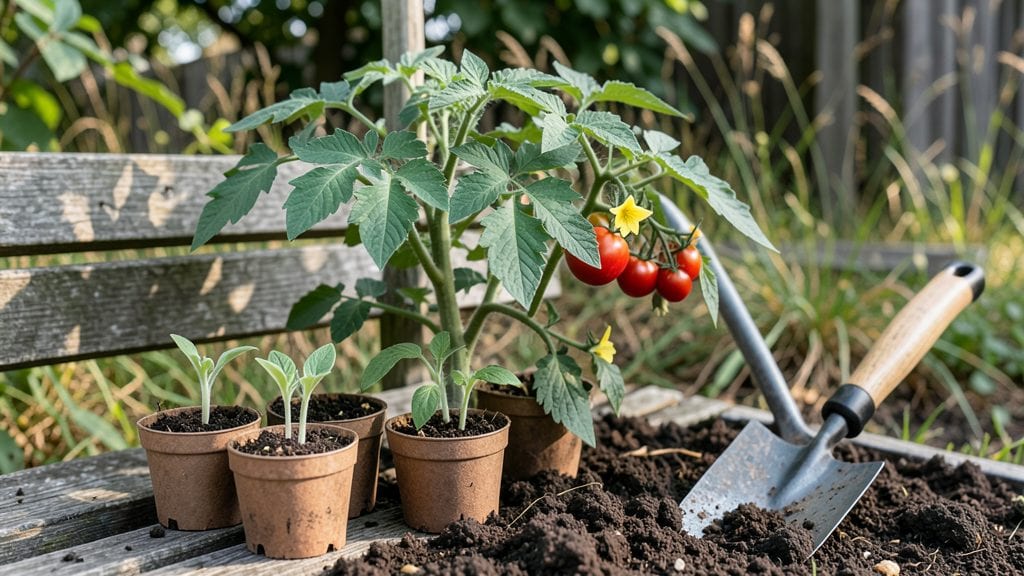
Planting beans with tomatoes isn't just a space-saving trick—it's a proven way to boost both harvests while keeping pests at bay. 🌱 I remember my first year trying this combo, and the difference was shocking: my tomato yields jumped by nearly 30%, and the beans thrived where they might have struggled alone.
The secret lies in how these two plants support each other, from nitrogen-fixing beans feeding hungry tomatoes to the tomatoes providing shade for bean roots.
You'll need a sunny spot with well-draining soil that's rich in organic matter—think compost mixed into the top 6 inches. For spacing, keep tomatoes 24-36 inches apart in rows, then plant bush beans 4-6 inches from tomato stems in between.
Pole beans work even better, climbing small trellises between tomato plants. This setup mimics how they grow together in nature, where beans climb up taller plants while tomatoes benefit from the beans' natural fertilizing.
By mid-summer, you'll see the payoff: tomatoes stay healthier with fewer blossom-end rot issues, while beans produce more pods thanks to the tomatoes' shade. The combo also confuses pests—aphids and whiteflies, which love tomatoes, get distracted by the beans' scent, and Mexican bean beetles leave the tomatoes alone.
It's like having a built-in pest control system while maximizing every square foot of garden space.
Works for both in-ground gardens and large containers—just scale the spacing down proportionally. The key is starting beans after the soil warms (around 55°F) and giving tomatoes a head start by 2-3 weeks.
Once established, this pairing becomes a self-sustaining powerhouse that even beginner gardeners can master with minimal extra effort.
📚 In This Guide
- What you need
- Instructions
- Tips and common mistakes
- Wrapping up and next steps
What you need
- ● Tomato seeds or seedlings: Choose disease-resistant varieties like Roma, Cherry, or Beefsteak (2-4 plants per 10 sq ft).
- ● Bean seeds: Opt for bush beans (e.g., Green Bean or Pole Bean like Kentucky Wonder)—plant 2-3 seeds per foot of trellis or 4-5 seeds per hill.
- ● Well-draining potting mix or garden soil: Amend with compost (1 part compost to 3 parts soil) for nutrient-rich growth.
- ● Organic fertilizer: Balanced 10-10-10 or tomato-specific fertilizer (follow package instructions for application rates).
- ● Mulch: Straw or wood chips (2-3 inches thick) to retain moisture and suppress weeds.
- ● Garden trowel or transplanting spade (for digging holes or trenches).
- ● Watering can or hose with a gentle spray nozzle (avoid wetting foliage to prevent disease).
- ○ Trellis or stakes (optional for pole beans): 6-8 ft tall bamboo or metal trellis (1 per 3-4 ft of row).
- ● Garden twine or soft ties (for securing pole beans to trellises).
- ● Pruning shears (to trim tomato suckers and encourage airflow).
- ● Garden gloves (to protect your hands from thorns or soil).
- ● Companion plant markers (to track varieties and spacing).
- ● Coffee grounds or eggshells (crushed) for added calcium and nitrogen.
- ● Neem oil or copper fungicide (preventative measure against pests/diseases).
- ● Drip irrigation kit (for consistent watering in dry climates).
Step-by-Step instructions for planting beans with tomatoes
This classic companion planting combo boosts yields and deters pests naturally—here's how to do it right.
🌱 Step 1: Prepare the Planting Site for Both Crops
Choose a sunny spot with 6+ hours of direct sunlight daily—tomatoes need plenty of warmth, and beans thrive in heat too. Work the soil to a depth of 12 inches, breaking up any compacted areas. I like to add a handful of compost to each planting hole to feed both plants without overdoing nitrogen, which can hurt beans.
Tomatoes prefer slightly acidic soil (pH 6.0-6.8), while beans do best in neutral to slightly alkaline soil (pH 6.0-7.0). If your soil tests outside these ranges, adjust with lime (to raise pH) or sulfur (to lower it) before planting. A simple soil test kit makes this easy—no guesswork involved.
🪴 Step 2: Plant Tomatoes First and Stake for Support
Dig holes for your tomato plants 2 feet apart in rows spaced 3 feet apart. Place each tomato seedling in its hole, firming the soil gently around the roots. I always bury the stem slightly deeper than it was in the nursery pot—this encourages stronger root growth. Immediately install 6-foot stakes beside each plant and loosely tie the main stem with soft plant ties.
Tomatoes grow tall and heavy, so staking prevents sprawling and makes harvesting easier. If you're using indeterminate varieties (the ones that keep growing all season), you'll need to tie them up every few weeks as they climb. Water deeply right after planting to settle the soil and remove any tags or labels from the base.
🌱 Step 3: Sow Bean Seeds Between Tomato Plants
Wait 2-3 weeks after planting tomatoes before sowing beans—this gives the tomato roots time to establish without competing with the young bean seedlings. Plant bush beans (like 'Blue Lake') 1 inch deep and 3-4 inches apart in rows 18 inches apart, right at the base of your tomato plants. Pole beans (like 'Kentucky Wonder') can climb nearby trellises or the tomato stakes themselves.
I like to plant beans in a loose circle around each tomato plant—this maximizes space while keeping the companionship benefits. Water gently after sowing, keeping the soil surface moist but not soggy. Beans germinate quickly in warm soil (70-85°F), so you'll see sprouts in 7-10 days if conditions are right.
☀️ Step 4: Mulch and Water the Pairing Strategically
Spread 2-3 inches of organic mulch (like straw or shredded leaves) around both plants, keeping it 6 inches away from the tomato stems to prevent rot. Mulch conserves moisture, suppresses weeds, and keeps soil temperatures steady—critical for both crops. Water at the base of the plants in the morning, giving each 1-1.5 gallons per week, and more during dry spells.
Here's the thing—beans fix nitrogen in the soil, which tomatoes love, but too much water can wash away that benefit. You'll know you're doing it right when the soil feels moist 2 inches down but not waterlogged. Avoid wetting the leaves, especially on tomatoes, to prevent fungal diseases like early blight.
✂️ Step 5: Prune and Harvest for Maximum Yield
As both plants grow, prune tomato suckers (those little shoots in the leaf axils) regularly to direct energy to fruit production. When tomato flowers appear, give them a light shake in the morning to encourage pollination—beans will benefit from the increased airflow too. Harvest green beans when pods are 4-6 inches long and firm, picking every 2-3 days to encourage more production.
Tomatoes are ready when they're fully colored and slightly soft to the touch. I always harvest in the cool of the morning after dew has dried—this preserves flavor and prevents cracking. The beans will keep producing until the first frost, while tomatoes may need protection with row covers or moving indoors if you want to extend the season.
Tips & tricks for perfect companion planting of beans and tomatoes
Here's how to maximize your garden's potential with this classic pairing—small details make all the difference.
Soil Preparation Secret: In Step 1, when you're working that soil to 12 inches deep, take a moment to aerate the top 6 inches with a garden fork. This creates tiny air pockets that help bean roots establish faster while preventing waterlogging—both plants will reward you with stronger growth. The compost you add should be well-aged to avoid introducing weeds or diseases.
Timing is Everything: That 2-3 week wait before planting beans (Step 3) is crucial—it lets tomato roots establish their own nitrogen network before beans arrive to take advantage. I've seen gardens where impatient gardeners planted beans too soon, and the tomatoes struggled to grow while competing with the young seedlings. Mark your calendar when you plant those tomatoes so you don't forget!
Watering Wisdom: When you're giving each plant 1-1.5 gallons per week (Step 4), focus on deep watering rather than frequent light sprinkles. Water in the morning so the foliage has all day to dry, which prevents fungal diseases like early blight that tomatoes are prone to. The beans will appreciate the consistent moisture too—just make sure the soil drains well to avoid root rot.
Harvesting Hack: In Step 5, when harvesting green beans at 4-6 inches, use sharp scissors or pruners to cut the stems just above the next set of beans. This prevents damaging the plant and encourages continuous production. For tomatoes, harvest when they're fully colored but still slightly firm—this prevents cracking and preserves flavor. I always harvest in the morning when temperatures are cooler, which helps maintain the fruit's quality.
Pro Tips for Planting Beans With Tomatoes
- Here's how to maximize your garden's potential with this classic pairing—small details make all the difference.
- Soil Preparation Secret: In Step 1, when you're working that soil to 12 inches deep, take a moment to aerate the top 6 inches with a garden fork.
- Timing is Everything: That 2-3 week wait before planting beans (Step 3) is crucial—it lets tomato roots establish their own nitrogen network before beans arrive to take advantage.
Frequently asked questions
Got questions about planting beans with tomatoes?
You’re not alone! Here are answers to the most common queries to help you grow a thriving, harmonious garden duo.
Can beans and tomatoes be planted too close together?
While beans and tomatoes are great companions, give them some space! Plant beans at least 12–18 inches away from tomato stems to avoid competition for nutrients and reduce disease spread. Beans are lightweight nitrogen-fixers, so they won’t smother tomatoes if spaced properly.
When is the best time to plant beans near tomatoes?
Plant bush beans after the soil warms (60°F+) and tomatoes 2–3 weeks earlier (once frost risk passes). Pole beans can climb trellises near tomatoes later in the season. Avoid planting both in the same hole—beans go in the ground, while tomatoes need deeper soil for roots.
Will beans help tomatoes avoid pests naturally?
Yes! Beans deter some pests like aphids and whiteflies, but they won’t eliminate all tomato threats (e.g., hornworms, blight). Rotate crops yearly and use row covers or neem oil for extra protection. The beans’ nitrogen also boosts tomato resilience indirectly.
What if I don’t have beans—are there other good tomato companions?
Try these instead:
- Basil: Repels pests and improves tomato flavor.
- Marigolds: Deter nematodes and attract pollinators.
- Onions/garlic: Confuse tomato hornworm moths.
- Carrots: Break up soil and deter some pests.
My tomato leaves are yellowing near the beans—what’s wrong?
Yellowing leaves could signal nitrogen overload (from beans) or fungal issues (like early blight). Prune lower tomato leaves for airflow, mulch to retain moisture, and avoid overwatering. If the problem persists, test soil pH (aim for 6.0–6.8) and consider transplanting beans slightly farther away.
Wrapping up and next steps
Planting beans with tomatoes is a game-changer for your garden—boosting yields, deterring pests, and saving space! 🌱 With the right companion planting techniques, you’ll enjoy healthier plants, fewer weeds, and a bountiful harvest. Whether you’re a beginner or seasoned gardener, this dynamic duo makes growing easier and more rewarding.
Ready to try it? Start small—grab a packet of seeds, mark your planting zones, and watch your garden thrive. Happy planting! 🌟