
Aphids
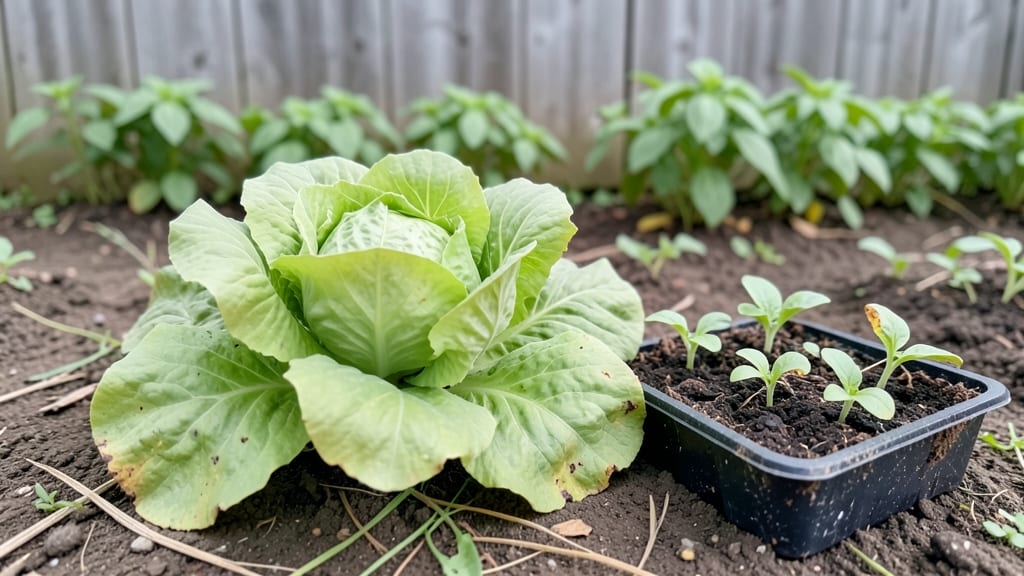
Planting butterhead lettuce in early spring or late summer gives you tender, crisp leaves that outshine store-bought—plus, the right varieties naturally deter aphids. I learned this after my first bolting disaster, and now my garden produces heads so sweet and sturdy they stay crisp even in heat waves.
The secret starts with soil that’s rich but not soggy, and seeds planted just ¼ inch deep in well-drained beds.
You’ll need loose, fertile soil mixed with compost, 3-4 inches of space between plants, and a spot that gets 4-6 hours of morning sun. Water gently after planting—no blasting the seeds—and keep the soil consistently moist but never waterlogged.
Butterhead thrives when cool, so avoid summer planting unless you’re in a high-altitude zone where evenings stay breezy.
Within 10-14 days, you’ll spot those first pale green leaves pushing through the soil. That’s when the real work begins: consistent moisture and a light mulch to keep roots cool.
The heads form in 4-6 weeks, and if you harvest the outer leaves first, you’ll get 6-8 weeks of continuous harvests. The pest-resistant varieties I use—like ‘Salad Bowl’ and ‘Buttercrunch’—rarely attract aphids, but I still check the undersides of leaves just in case.
Here’s the thing—if your lettuce bolts too quickly, it’s usually from heat stress or uneven watering. Start seeds indoors 4-6 weeks before your last frost, and use shade cloth in summer if you’re pushing the season.
With these adjustments, you’ll go from seed to salad in no time, and your neighbors will be asking for cuttings.
📚 In This Guide
- What you need
- Instructions
- Tips and common mistakes
- Wrapping up and next steps
What you need
- ● Butterhead lettuce seeds: Choose pest-resistant varieties like 'Salad Bowl' or 'Revolution' (1–2 seed packets, ~50–100 seeds).
- ● Well-draining soil: Mix 50% potting soil with 50% compost (or use pre-mixed organic garden soil).
- ● Containers or garden bed: For containers: 6–8" deep pots (1–2 plants per pot).
- ● For in-ground: Full sun (4–6 hours/day) or partial shade (especially in hot climates).
- ● Watering can or hose: With a gentle spray nozzle for even moisture.
- ● Organic mulch: Straw or shredded leaves (1–2 inches) to retain moisture and deter pests.
- ● Required: Hand trowel or small shovel for planting.
- ○ Gloves (optional but recommended for soil prep).
- ○ Optional (but helpful): Seed starting tray (if sowing indoors).
- ● Row cover or lightweight fabric to protect seedlings from aphids.
- ● Neem oil spray (1–2% solution) for aphid prevention.
- ● pH testing kit (ideal soil pH: 6.0–7.0).
- ● Warm soil (at least 40°F (4°C))—avoid planting in frost.
- ● Consistent moisture (keep soil damp but not soggy).
- ● Spaced planting (12–18 inches apart) for airflow and pest resistance.
Step-by-Step instructions for planting butterhead lettuce
Here’s how to grow crisp, pest-resistant butterhead lettuce with minimal fuss—ideal for spring or fall gardens.
Prepare the Soil for Optimal Growth
Butterhead lettuce thrives in loose, fertile soil with excellent drainage. Work the 3 gallons of compost into the top 6 inches of soil for each of your 4 planting spots. This ensures roots can spread easily while retaining moisture. Aim for a pH between 6.0 and 7.0—test your soil if unsure, as acidic or alkaline conditions stunt growth.
Break up any clumps with a garden fork to prevent compaction. If your soil drains poorly, mix in 1 gallon of perlite per planting area to improve aeration. Butterhead varieties are sensitive to waterlogged roots, so prioritize loose, crumbly soil. Once amended, rake the surface smooth to create a fine seedbed.
Sow Seeds at the Right Depth and Spacing
Scatter 1 packet of butterhead lettuce seeds (about 50 seeds) thinly across the prepared soil, spacing them 1 inch apart in rows 12 inches apart. Sowing too densely leads to crowded, bitter heads. Press seeds gently into the soil with your finger—just enough to cover them with ¼ inch of soil. Avoid burying them deeper, as they need light to germinate.
Water lightly with a spray bottle to settle the soil without displacing seeds. Keep the soil consistently moist but not soggy until germination, which typically occurs in 7–14 days depending on temperature. If planting in full sun, water in the early morning to reduce evaporation and fungal risks.
Thin Seedlings for Stronger Heads
Once seedlings reach 2 inches tall, thin them to 6 inches apart within rows. Use scissors to snip unwanted plants at soil level—pulling risks disturbing roots. This spacing gives remaining seedlings room to develop full, crisp heads. Harvest the thinned seedlings for salads or compost them immediately to avoid nutrient competition.
Thinning is critical for butterhead lettuce—crowded plants bolt (go to seed) faster under stress. If you notice leggy seedlings reaching for light, your plants need more shade or a move to partial sun. Mulch with 1 inch of straw after thinning to retain moisture and suppress weeds.
Maintain Moisture and Protect From Pests
Water lettuce 1 inch per week, keeping soil evenly moist but never waterlogged. Use drip irrigation or soaker hoses to avoid wetting leaves, which encourages disease. Butterhead varieties are prone to slugs and aphids, so apply organic neem oil spray every 7–10 days as a preventive measure. Check undersides of leaves daily for early signs of pests.
Harvest outer leaves when plants reach 6 inches tall, leaving the center to continue growing. This extends the season and encourages continuous production. If temperatures rise above 75°F, provide afternoon shade to prevent bolting. With consistent care, you’ll harvest 4 full heads in 50–60 days.
Tips & tricks for planting butterhead lettuce
A few key strategies will help you grow butterhead lettuce that's crisp, flavorful, and resistant to common garden pests. These techniques build on the foundation of the planting process while addressing the unique needs of this delicate variety.
Soil Preparation Matters: The quality of your soil preparation in Step 1 is non-negotiable for butterhead lettuce. I've found that mixing in an extra ½ gallon of worm castings with the 3 gallons of compost provides additional microbial activity that boosts early root development. For containers, use a high-quality potting mix with perlite—this mimics the loose, well-draining conditions butterhead varieties crave. Test your soil's pH before planting; if it's outside the 6.0-7.0 range, amend with lime (to raise pH) or sulfur (to lower pH) before adding compost. This attention to soil chemistry prevents the bitter flavors that develop when plants struggle.
Seed Germination Strategy: In Step 2, when sowing your seeds, consider using a seedling heating mat set to 70°F during germination. This can cut your 7-14 day germination window to just 5-7 days, especially in cooler spring or fall conditions. Once seeds sprout, remove the heat mat immediately to prevent leggy seedlings. For better visibility of tiny seedlings, sprinkle a thin layer of fine sand over the planted seeds—it creates contrast against the dark soil, making it easier to spot when germination begins. This is particularly helpful when dealing with the 50 seeds from your packet.
Thinning Technique: The thinning process in Step 3 is where many gardeners make their first mistake with butterhead lettuce. Instead of using scissors, I recommend using a small hand trowel to gently lift and remove unwanted seedlings. This method minimizes root disturbance to the plants you're keeping. When thinning to 6 inches apart, create a small mound of soil around each remaining seedling—this helps prevent water from pooling around the base, which can lead to rot. The thinned seedlings make excellent additions to salads, but if you prefer to compost them, chop them finely first to speed up decomposition and prevent pests from being attracted to the compost pile.
Pest Prevention: For the organic neem oil spray mentioned in Step 4, I've had the best results with a 2% solution applied in the early morning when temperatures are below 75°F. The key is consistency—apply every 7-10 days as a preventive measure, not just when you see pests. To enhance this protection, install fine mesh row covers after sowing and remove them only when harvesting. These covers create a physical barrier against aphids while still allowing sunlight and water to reach your plants. For slug control, create beer traps by filling shallow containers with beer—slugs are attracted to it and drown. Place these traps near your planting areas but keep them away from where you'll be harvesting.
Pro Tips for Planting Butterhead Lettuce
- A few key strategies will help you grow butterhead lettuce that's crisp, flavorful, and resistant to common garden pests.
- Soil Preparation Matters: The quality of your soil preparation in Step 1 is non-negotiable for butterhead lettuce.
- Seed Germination Strategy: In Step 2, when sowing your seeds, consider using a seedling heating mat set to 70°F during germination.
Frequently asked questions
Got questions about growing butterhead lettuce?
Here are answers to the most common ones—from timing to troubleshooting—so you can grow crisp, pest-resistant heads with confidence!
When is the best time to plant butterhead lettuce?
Butterhead lettuce thrives in cool weather, so plant it 4–6 weeks before the last spring frost or 6–8 weeks before the first fall frost. Avoid summer heat—it causes bolting (premature flowering). For year-round harvests, use shade cloth in hot climates or opt for slow-bolt varieties like 'Jericho' or 'Winter Density'.
Why is my butterhead lettuce turning bitter or bolting?
Bolting (shooting up with flowers) usually happens due to heat stress or long daylight. To prevent it:
- Plant in partial shade during peak summer.
- Use row covers to extend the growing season.
- Choose heat-tolerant varieties like 'Black Seeded Simpson'.
- Harvest outer leaves early to avoid overmaturity.
How do I protect butterhead lettuce from aphids?
Aphids love butterhead lettuce, but you can prevent and treat them naturally:
- Prevention: Plant marigolds or nasturtiums nearby to repel pests.
- Early intervention: Spray with soapy water (1 tsp mild soap + 1 quart water).
- Severe infestations: Introduce ladybugs or use neem oil (follow label instructions).
Can I grow butterhead lettuce in containers?
Butterhead lettuce does well in containers at least 6–12 inches deep with drainage holes. Use a light, well-draining potting mix and place pots in full sun to partial shade. Space plants 8–12 inches apart and keep soil consistently moist. Dwarf varieties like 'Little Gem' are perfect for small spaces.
How do I harvest butterhead lettuce for the crispest texture?
Harvest leaves when the heads are firm but still loose (about 6–8 weeks after planting). For continuous harvests:
- Pick outer leaves first to encourage inner growth.
- Avoid cutting the entire head—it reduces regrowth.
- Store harvested lettuce in the crisper drawer (or a damp paper towel) for up to 5–7 days.
Wrapping up and next steps
Growing butterhead lettuce is a rewarding way to enjoy fresh, crisp greens—especially when you choose pest-resistant varieties like ‘Salad Bowl’ or ‘Buttercrunch.’
With the right soil, spacing, and care, you’ll harvest tender leaves in just a few weeks. Don’t let aphids or other pests slow you down! Start small, stay consistent, and soon you’ll be feasting on homegrown goodness.
Ready to take the next step? Try planting a few seeds this week and watch your garden thrive! 🌱 For more tips, explore our garden care guides or share your progress with fellow gardeners.