
Propagation
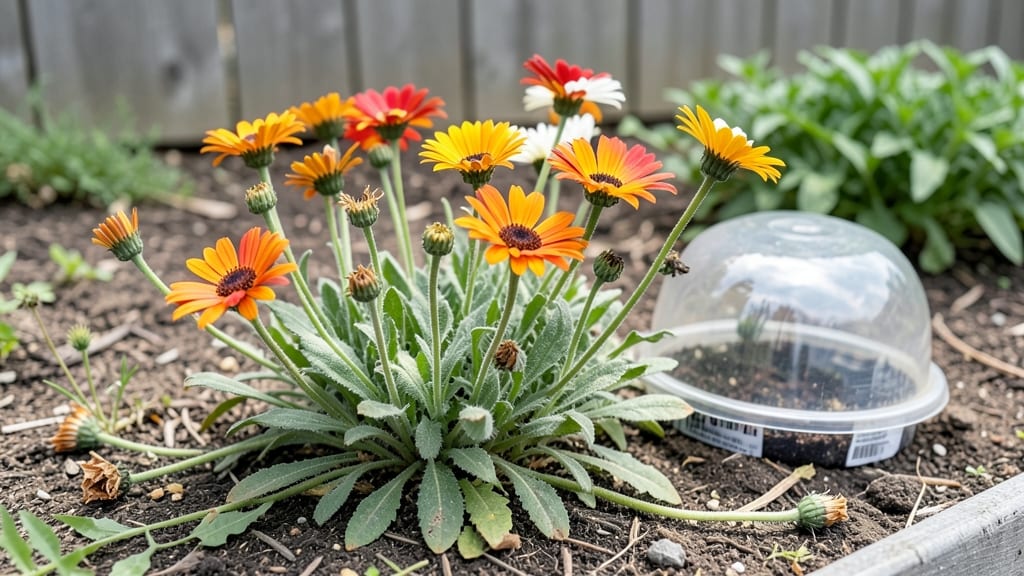
Planting gazania seeds unlocks vibrant blooms that thrive even when other flowers wilt in the heat. 🌻 I’ve grown these sun-loving annuals for years, and their secret isn’t just drought tolerance—it’s how quickly they transform bare soil into a riot of color.
The trick starts with the right soil mix and timing, which I’ll walk you through step by step.
You’ll need well-draining soil, a sunny spot, and patience for those first tiny sprouts. Gazanias love warmth, so wait until after your last frost to plant—typically late spring or early summer in most zones.
Scatter seeds just below the surface, about ¼ inch deep, and keep them moist until they pop up in about 7 to 14 days. The key? Avoid overwatering once they’re established.
Within six weeks, you’ll see those familiar daisy-like flowers opening up, their petals closing at night like little solar-powered clocks. They’ll keep blooming all summer long with minimal care, making them perfect for low-maintenance gardens.
The best part? They bounce back from droughts better than most plants, so you won’t need to babysit them once they’re growing.
Works in containers, borders, or mass plantings—just give them full sun and well-drained soil. Here’s how to get them started right and keep them thriving all season.
📚 In This Guide
- What you need
- Instructions
- Tips and common mistakes
- Wrapping up and next steps
What you need
- ● Gazania seeds: 1–2 packets (50–100 seeds per packet). Choose a variety like Gazania 'Tiny Tots' or Gazania 'Sunburst' for vibrant colors.
- ● Seed-starting mix: 1–2 gallons of sterile, well-draining potting soil (avoid garden soil—it’s too dense!).
- ● Seed trays or small pots: 2–4 (3–4 inches deep) with drainage holes. Cell packs or biodegradable pots work great!
- ● Grow lights or sunny windowsill: A full-spectrum LED grow light (12–16 hours/day) or a south-facing window (6+ hours of sunlight).
- ● Spray bottle: For gentle watering (avoid over-saturating seeds!).
- ● Plastic wrap or humidity dome: To retain moisture while seeds germinate.
- ○ Fertilizer (optional but helpful): A balanced liquid fertilizer (5-5-5 or 10-10-10) diluted to half-strength for seedlings.
- ● Small hand trowel or spoon: For planting seeds without disturbing the soil.
- ○ Fine misting nozzle (optional): Attach to your spray bottle for even moisture distribution.
- ○ Heat mat (optional): Speeds up germination (70–75°F is ideal).
- ● Labels & markers: To track seed varieties and planting dates.
- ○ Hardening-off tray (optional): A shallow container for acclimating seedlings before transplanting.
Step-by-Step instructions for planting gazania seeds
Here’s how to get vibrant, drought-resistant gazanias blooming in just six weeks.
🌱 Step 1: Prepare Containers and Seed Starting Mix
Fill your 4-inch diameter containers with a well-draining seed-starting mix—gazanias hate soggy roots. I like to mix equal parts of the potting soil with perlite to lighten it up. Press the mix down gently so it’s firm but still loose enough for tiny roots to grow through.
Moisten the mix lightly with water until it’s damp but not dripping. You’ll know it’s ready when a handful holds together without falling apart. This ensures even moisture without compacting the soil too tightly.
🌱 Step 2: Sow Seeds at the Right Depth
Sprinkle 2-3 seeds per container on the soil surface—gazania seeds are tiny, so don’t bury them. Just press them lightly into the top layer with your finger. Covering them too deeply delays germination because they need light to sprout.
Mist the surface with a spray bottle until the soil looks evenly damp. Avoid soaking the seeds, as excess water can wash them away or cause rot. Place the containers in a warm spot—gazanias germinate best at 70-75°F.
☀️ Step 3: Provide Warmth and Bright Light for Germination
Keep the containers covered with a clear plastic dome or plastic wrap to retain moisture and warmth. Check daily for condensation—if the inside fogs up, lift the cover for 10 minutes to let excess moisture escape. Germination usually takes 7-14 days.
Once the first green shoots appear, remove the cover immediately. Gazanias need plenty of light to grow strong, so place them under a grow light or in the brightest window you have. Without enough light, seedlings stretch out and become weak.
🌿 Step 4: Thin Seedlings and Harden Off
When seedlings have 2-3 true leaves (not just the initial seed leaves), thin them so only the strongest plant remains in each container. Use small scissors to snip the extras at soil level—this prevents disturbing the roots of the ones you keep.
Start hardening off the seedlings by placing them outside in a sheltered spot for 1-2 hours the first day. Gradually increase their outdoor time over 7-10 days until they’re getting full sun. This helps them adjust to outdoor conditions without shock.
🪴 Step 5: Transplant to the Garden or Larger Pots
After 4-6 weeks, when seedlings are sturdy and have 4-5 true leaves, transplant them to their final location. Dig a hole twice as wide as the root ball but only as deep as the container’s height. This keeps the soil level the same as it was in the pot.
Water deeply after transplanting to settle the soil and encourage root growth. Gazanias thrive in full sun, so choose a spot with at least 6-8 hours of direct sunlight daily. Mulch lightly around the base to retain moisture and keep weeds down.
Tips & tricks for perfect gazania seedlings
A few simple tricks that'll help your gazanias thrive from seed to vibrant blooms.
Soil Prep Secret: In Step 1, don't skip the perlite—it's what makes the difference between soggy, rot-prone soil and the perfect airy mix gazanias love. I like to add a handful of coarse sand too (about 1 part sand to 3 parts soil mix) for even better drainage. The goal is soil that holds moisture but never stays wet, especially since gazanias are drought-tolerant once established.
Germination Environment: That 70-75°F warmth in Step 2 is non-negotiable for germination. If your home runs cooler, place containers on top of your fridge or use a seedling heat mat. I've seen germination times double when seeds get chilly—7-14 days becomes 3-4 weeks. Also, keep those containers in a spot with indirect light until you see sprouts, even if you're using a grow light later.
Thinning Technique: When you thin to your strongest seedling in Step 4, here's what I do: Wait until you have at least 2-3 true leaves, then use clean scissors to snip at soil level. I find this is gentler than pulling, and it prevents disturbing the roots of your kept plant. If you're nervous about cutting, you can also carefully pull the weaker seedlings while holding the container steady—just go slow.
Transplanting Timing: The 4-6 week transplant window in Step 5 is your best bet for success. Seedlings need to be sturdy enough to handle their new home but not so large they've outgrown their containers. I look for plants with 4-5 true leaves that are starting to get crowded in their pots. If you transplant too early, they'll struggle; too late, and you risk root binding.
Pro Tips for Planting Gazania Seeds
- A few simple tricks that'll help your gazanias thrive from seed to vibrant blooms.
- Soil Prep Secret: In Step 1, don't skip the perlite—it's what makes the difference between soggy, rot-prone soil and the perfect airy mix gazanias love.
- Germination Environment: That 70-75°F warmth in Step 2 is non-negotiable for germination.
Frequently asked questions
Got questions about growing gazania from seeds? You’re not alone! Here are some of the most common queries—plus quick, no-fluff answers to help you succeed.
When is the best time to plant gazania seeds?
For most climates, sow seeds indoors 6–8 weeks before your last frost date (or directly outdoors after soil warms to 60°F (15°C) in spring or late summer for fall blooms). Gazanias hate cold—waiting for consistent warmth ensures faster germination and stronger plants.
How often should I water gazania seedlings?
Keep soil consistently moist (not soggy) during germination, then taper watering to every 2–3 days once seedlings sprout. Overwatering causes rot—gazanias thrive in dry conditions! Once established, water deeply but infrequently (weekly) to encourage drought resistance.
Can I grow gazanias from seeds if I don’t have a greenhouse?
Use a sunny windowsill or a seedling heat mat (70–75°F) to speed germination. Alternatively, direct-sow outdoors in warm soil—just cover seeds lightly with soil (¼ inch max) and protect them from chilly nights with a cloche or row cover. Patience pays off!
Why aren’t my gazania seeds germinating? Troubleshooting tips.
Common culprits:
- Cold soil: Gazanias need warmth (60°F+) to sprout. Try a heat mat or wait for warmer weather.
- Too deep: Plant seeds no deeper than ¼ inch—they need light to germinate.
- Old seeds: Store-bought seeds last 1–2 years; if older, test viability by soaking in water (floaters = bad).
- Moisture issues: Keep soil damp (not wet) and use a humidity dome if needed.
How do I get gazanias to bloom faster?
Blooms appear in 6–8 weeks with these tricks:
- Give them full sun (6+ hours daily)—partial shade delays flowering.
- Pinch back tender new growth to encourage bushier plants (and more blooms!).
- Deadhead spent flowers to prompt continuous blooming.
- Fertilize lightly with low-nitrogen feed (like 5-10-10) every 4–6 weeks.
Wrapping up and next steps
Growing gazania from seeds is a rewarding journey that brings vibrant, drought-resistant blooms to your garden in just six weeks! With the right soil, sunlight, and care, you’ll enjoy a burst of color that thrives even in dry conditions.
Don’t let hesitation hold you back—your future garden is waiting!
Ready to take the next step? Start planting those seeds today and watch your garden transform. Need extra tips? Check out our gardening resources for more inspiration! 🌸✨