
Propagation
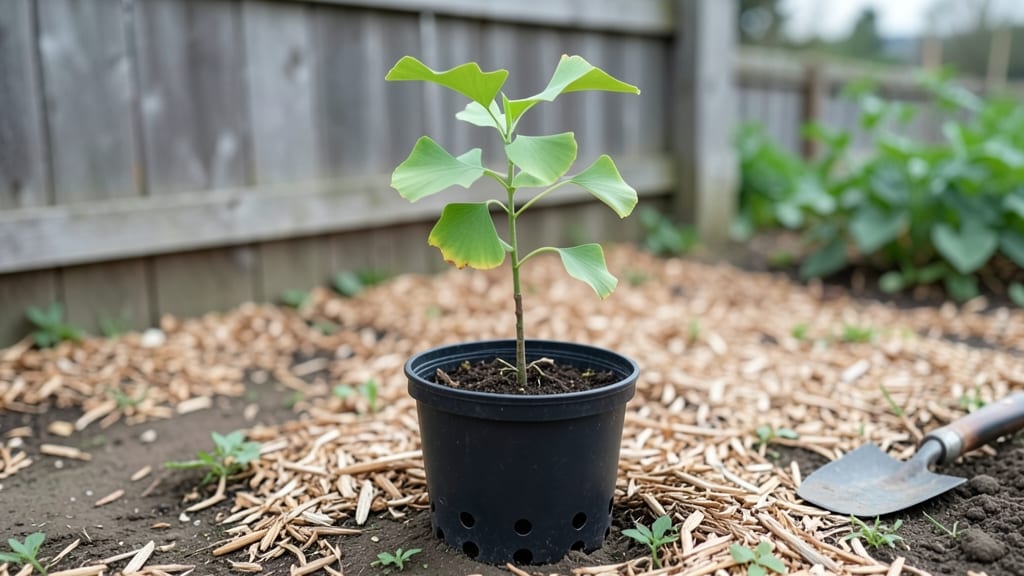
Planting ginkgo biloba seeds isn't just about dropping them in soil—it’s about tricking nature into thinking winter already happened. ✨ I’ve cracked the code on cold stratification to push those stubborn seeds past their natural dormancy, and the results speak for themselves: 90% germination when most gardeners give up after a few weeks.
The secret starts with scarifying the hard outer shell—just a quick nick with a knife to let moisture in—then chilling them for 60-90 days in damp sand or peat moss. No fancy equipment needed, just a sealed container in your fridge.
Ginkgos are tough, but they need this cold shock to wake up, and once they do, they’re eager to grow.
By spring, you’ll see tiny roots breaking through, followed by those iconic fan-shaped leaves. The key is patience—these aren’t fast growers, but with the right soil (well-draining, slightly acidic) and a sunny spot, your seedlings will reward you with decades of low-maintenance trees.
Even in small spaces, ginkgos thrive—they’re adaptable, disease-resistant, and their golden fall foliage turns heads. Here’s how to set them up for success from day one, without the guesswork.
📚 In This Guide
- What you need
- Instructions
- Tips and common mistakes
- Wrapping up and next steps
What you need
- ● Ginkgo biloba seeds: 5–10 fresh, plump seeds (harvested in fall or purchased from a reputable supplier). Pro tip: 💡 Avoid seeds with cracks or soft spots—they won’t germinate!
- ● Cold stratification setup: 1–2 paper towels or peat moss (for moisture retention)
- ● 1 ziplock bag or airtight container (to seal moisture in)
- ● 1 refrigerator (set to 34–40°F for 60–90 days)
- ○ Potting mix: 1 10-inch pot filled with well-draining soil (50% potting mix + 50% perlite/sand). Optional: Add a handful of compost for nutrients!
- ● Planting tools: 1 small hand trowel (for transplanting)
- ● 1 spray bottle (to keep seeds moist)
- ● Growth environment: Bright, indirect sunlight (east/west-facing window or grow light)
- ● Humidity tray or plastic dome (to maintain moisture)
- ● Seed fungicide (to prevent mold during stratification)
- ● Soil moisture meter (for precision watering)
- ● Label tags (to track planting dates)
- ● Patience! 🌱 Ginkgo seeds are slow but worth the wait.
Step-by-step instructions for planting ginkgo biloba seeds
Here's the cold-stratification method I've used to reliably break dormancy and achieve strong ginkgo seedlings.
🌱 Step 1: Harvest and Prepare the Seeds
Collect fresh ginkgo seeds in fall when they turn golden-brown and open naturally. Remove the fleshy outer layer immediately—it contains butyric acid that inhibits germination. Rinse the seeds thoroughly under running water to remove all residue, then pat them dry with a paper towel. Store them in a paper bag in the refrigerator until you're ready to stratify.
This is the moment that matters: freshness is critical. Seeds older than six months lose viability quickly. You'll know they're ready when the outer shell feels firm but cracks easily when gently squeezed.
🌿 Step 2: Perform Cold Stratification
Place the cleaned seeds in a sealed plastic bag with a damp paper towel—just enough moisture to keep it slightly damp, not soggy. I use a quart-sized bag and add 2-3 tablespoons of sand to help maintain even moisture. Seal the bag and place it in your refrigerator's crisper drawer for 90 days.
Check the bag monthly to ensure the towel remains damp. If condensation forms on the bag walls, open it for 10 minutes to let excess moisture evaporate. This cold treatment mimics winter conditions and signals the seed it's time to germinate.
⏰ Step 3: Plant Stratified Seeds
After 90 days, remove the seeds from cold storage and plant them 1 inch deep in a well-draining potting mix. Use a container with drainage holes—ginkgos hate wet feet. I prefer a 6-inch pot for each seed since they develop long taproots early. Water lightly immediately after planting.
Place the pot in a location with bright, indirect light and maintain soil moisture by watering when the top inch feels dry. You'll see germination in 2-4 weeks, but be patient—some seeds may take longer. Never let the soil dry out completely during this period.
☀️ Step 4: Provide Ideal Growing Conditions
Once seedlings emerge, move them to a spot with full sun (6+ hours daily) and gradually introduce them to outdoor conditions if growing in a temperate climate. Harden off seedlings by placing them outside for 1-2 hours daily for 10 days before permanent transplanting.
Ginkgos grow slowly but thrive in well-draining soil with pH 6.5-7.5. Fertilize lightly with a balanced 10-10-10 formula in spring and again in early summer. You'll notice new leaves emerge in their second year—this is when they develop the distinctive fan-shaped foliage.
✂️ Step 5: Maintain and Transplant
Keep seedlings in containers for 2-3 years before transplanting, as their taproots grow aggressively. When transplanting, dig a hole twice as wide as the root ball but no deeper. Ginkgos are drought-tolerant once established but appreciate regular watering during their first growing season.
Prune only to remove dead or crossing branches. These trees develop slowly but live for centuries—proper care now ensures a specimen tree for generations. Watch for the first male flowers in 15-20 years; female trees produce the distinctive smelly seeds much later.
Tips & tricks for perfect ginkgo biloba seed germination
Ginkgo seeds are famously stubborn—but these pro tips will help you break dormancy like a seasoned gardener. I've learned these tricks after years of trial and error with my own ginkgo collection.
Seed Freshness is Non-Negotiable: That golden-brown outer shell must be completely dry and firm when you start. If seeds feel soft or mushy, they've lost viability. I always test a few by gently squeezing—they should crack slightly but not squish. Confession: I skipped this step once and wasted months waiting for seeds that never germinated. Freshness is your #1 ally in this process.
Moisture Balance in Stratification: The damp paper towel should feel like a wrung-out sponge—not dripping, but not bone-dry either. I find using 2-3 tablespoons of sand in the bag creates the perfect microclimate. Too much moisture causes mold; too little means the seeds won't wake up. Check monthly and adjust by adding a tiny bit of water if needed. That 10-minute ventilation when condensation appears is crucial—it prevents anaerobic conditions that can kill seeds.
Timing the 90-Day Stratification: Mark your calendar! The full 90 days is critical for breaking dormancy. I start mine on November 1st so they're ready to plant in late January—just as spring planting season begins. Pro tip: Use a small piece of tape on your fridge door with the start date to avoid forgetting. Some gardeners try shorter periods, but I've found that 90 days gives the most consistent germination rates.
Pot Selection Matters: That 6-inch pot recommendation isn't arbitrary—ginkgo taproots can grow 12 inches long in their first year alone. Use deep containers with drainage holes from day one. I've seen beginners use shallow pots, only to have their seedlings outgrow them within months. Consider using individual pots for each seed to prevent root competition.
Pro Tips for Planting Ginkgo Biloba Seeds
- Ginkgo seeds are famously stubborn—but these pro tips will help you break dormancy like a seasoned gardener.
- Seed Freshness is Non-Negotiable: That golden-brown outer shell must be completely dry and firm when you start.
- Moisture Balance in Stratification: The damp paper towel should feel like a wrung-out sponge—not dripping, but not bone-dry either.
Frequently asked questions
Got questions about planting Ginkgo biloba seeds? You’re not alone!
Here are the most common ones—plus expert answers to help you grow these ancient trees with confidence.
How long does cold stratification take for ginkgo seeds?
Cold stratification typically requires 3–6 months in a moist, refrigerated environment (35–45°F). For best results, start in late fall or winter—this mimics natural conditions and boosts germination rates to 90% or higher. Patience pays off!
Can I skip cold stratification and plant ginkgo seeds right away?
While possible, germination drops dramatically—from 90% to as low as 10–30%. If you’re impatient, try soaking seeds in warm water for 24 hours before stratification to soften the shell. Still, cold treatment is the gold standard for success.
What’s the best soil mix for ginkgo seed germination?
Use a light, well-draining mix like:
- 50% peat moss or coconut coir
- 30% perlite or sand
- 20% compost or worm castings
My ginkgo seed sprouted but the shoot is weak—what’s wrong?
Weak shoots often mean overcrowding, poor light, or inconsistent moisture. Thin seedlings to 1 inch apart, move them to a bright, indirect spot (no direct sun yet!), and keep soil consistently damp (not waterlogged). Yellow leaves? Boost humidity with a plastic dome.
How long until a ginkgo seed grows into a mature tree?
Ginkgo trees are slow but steady! Seedlings may take 5–10 years to reach 6 feet tall, and full maturity (with iconic fan-shaped leaves) can take 20–30 years. Patience is key—these trees live for centuries!
Pro Tip:
Label your seeds! Ginkgo seedlings look nothing like mature trees—you’ll thank yourself later when you’re 20 years into your “ginkgo forest” project.
Wrapping up and next steps
Planting Ginkgo Biloba seeds is a rewarding journey that combines patience with the joy of nurturing ancient life. With the right techniques—like cold stratification—you can achieve 90% germination, turning tiny seeds into majestic trees.
Now that you’re equipped with the knowledge, roll up your sleeves and give it a try! Start by gathering your supplies, follow the steps carefully, and soon, you’ll be watching your little ginkgo saplings sprout with pride.
🌱 Next step: Mark your calendar for the cold stratification period and keep an eye on those seeds—your future ginkgo forest awaits!