
Planting
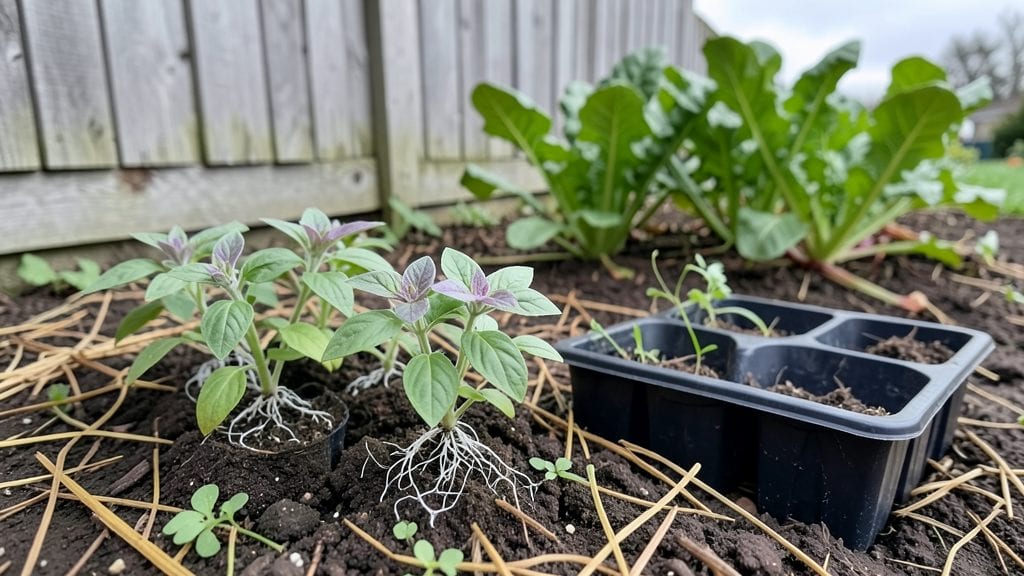
Planting during the new moon might sound like old wives' tales, but I’ve seen the difference firsthand—roots grow deeper, seedlings stand stronger, and my herbs thrive like never before. 🌱 The secret lies in the moon’s gravitational pull, which draws moisture upward, perfect for planting crops that need to establish roots below soil level.
This isn’t about superstition—it’s about working with nature’s rhythms. New moon planting is ideal for root crops like carrots, beets, and potatoes, plus perennials that need time to settle in. I’ve swapped my old planting schedule entirely, and my garden’s resilience has never been better.
You’ll notice faster germination and sturdier plants from the start. The key is timing: aim for the two days before and after the new moon for maximum benefit. It’s not about speed—it’s about setting plants up for long-term success.
Even if you’ve tried lunar gardening before, this method cuts through the guesswork. Whether you’re a seasoned gardener or just starting, aligning your planting with the moon’s cycle makes a real difference in your harvest. Let’s get those roots growing strong.
📚 In This Guide
- What you need
- Instructions
- Tips and common mistakes
- Wrapping up and next steps
What you need
- ● Seeds or seedlings: Choose plants aligned with the New Moon’s energy—herbs, leafy greens, or root crops (e.g., lettuce, radishes, or carrots). Quantity: 1–5 plants per container or 10–20 seeds per square foot.
- ● High-quality potting soil: Well-draining, organic mix (e.g., Miracle-Gro Organic Potting Mix or FoxFarm Ocean Forest). Quantity: Enough to fill your containers 2/3 full.
- ● Containers or garden beds: Containers: 5–12" deep pots (for root crops) or shallow trays (for herbs/greens). Material: Terracotta, fabric, or plastic.
- ● Garden beds: Loose, fertile soil with good drainage (amend with compost if needed).
- ● Watering can or spray bottle: With a fine rose nozzle for gentle hydration.
- ● Lunar calendar or app: To confirm the exact New Moon timing (e.g., Farmers’ Almanac or Moon Pro).
- ○ Compost or organic fertilizer: (Optional but recommended) Worm castings or fish emulsion for a nutrient boost.
- ● Moon water: Water charged under the New Moon for 24–48 hours (place a jar of water outside during the phase).
- ● Plant-specific amendments: Sand for sandy soil, perlite for aeration, or mycorrhizal fungi for roots.
- ● Growth aids: Seaweed extract (for cell division) or humic acid (for root development).
- ● Journal: To track planting dates, moon phases, and plant progress!
Step-by-Step guide to new moon planting for stronger roots
Here’s how to harness the moon’s energy for healthier plants—no special tools needed.
🌱 Step 1: Choose the Right Plants for the New Moon
The new moon is ideal for planting root crops and below-ground harvests. Think carrots, potatoes, onions, and herbs like parsley or dill. These plants thrive when their energy is directed downward, and the moon’s gravitational pull supports root development. Avoid planting leafy greens or flowers now—they’re better suited for the full moon’s upward energy.
Check your lunar calendar for the exact new moon date. Plant within the first 24 hours after the moon disappears from the sky. This timing ensures the roots establish quickly while the soil remains moist. If you miss the window, wait for the next new moon cycle—don’t rush it.
🌿 Step 2: Prepare the Soil for Maximum Root Growth
Loosen the soil to a depth of 12 inches with a fork or trowel. This breaks up compacted layers so roots can penetrate easily. Add 2 inches of compost to the top 6 inches of soil—this feeds the roots as they grow downward. The new moon’s energy amplifies the soil’s fertility, so take advantage of it.
Water the soil 24 hours before planting to settle it evenly. The ground should feel moist but not soggy—like a damp sponge. If your soil drains too quickly, mix in 1 inch of sand into the top 6 inches to improve texture. Avoid heavy clay or rocky soil; roots struggle to grow in these conditions during the new moon phase.
💧 Step 3: Plant at the Right Time of Day
Plant in the early morning hours, ideally before 9 AM. The soil is cooler and retains moisture longer, which helps young roots establish without stress. If you’re planting seeds, press them 1-2 times their width deep—deeper for larger seeds like beans, shallower for tiny ones like carrots. Cover lightly with soil and pat down gently.
Water immediately after planting, but avoid overdoing it. The goal is to moisten the soil around the seeds or roots, not drown them. Use a fine-mist spray for seeds to prevent washing them away. For transplants, water deeply at the base to encourage roots to spread outward quickly.
☀️ Step 4: Protect and Support New Growth
Keep the soil consistently moist for the first 7-10 days—this is critical for root development. Use 1-2 inches of mulch (like straw or shredded leaves) to lock in moisture and regulate temperature. The new moon’s energy helps roots grow faster, but they need stable conditions to thrive.
Watch for signs of stress, like wilting or yellowing leaves. If you see this, water lightly again—roots need steady moisture to expand. Avoid fertilizing now; the focus should be on root establishment, not leafy growth. Once roots are well-established (after 3-4 weeks), you can introduce a light fertilizer.
⏰ Step 5: Monitor and Adjust as Needed
Check the soil moisture every 2-3 days—roots grow best when the soil stays evenly damp. If the top 1 inch feels dry, water again. Overwatering can suffocate roots, so let the soil dry slightly between waterings. The new moon’s influence lasts for about 3 days, so act quickly if you notice issues.
After 2 weeks, gently tug on a few plants to check root development. If they resist, roots are growing well. If they pull out easily, they need more time or deeper soil. Adjust your planting depth or soil prep for future batches. The key is patience—roots take time, but the new moon gives them a head start.
Tips & tricks for perfect new moon planting
Timing and preparation make all the difference when planting during the new moon—here's how to maximize root growth potential.
The 24-Hour Window: Those first 24 hours after the moon disappears are critical for root establishment. I've found that planting within this window gives roots a head start by aligning with the moon's gravitational pull. If you miss it, don't stress—just wait for the next new moon cycle. The energy shifts completely after those 24 hours, so timing matters more than you might think.
Soil Depth Matters: When loosening soil to 12 inches in Step 2, focus on breaking up compacted layers without disturbing the deeper soil structure. I use a broadfork to gently loosen the top 12 inches while leaving the subsoil intact. This creates ideal conditions for roots to penetrate downward naturally, which is exactly what we want during the new moon's downward energy phase.
Morning Planting Secret: Planting before 9 AM in Step 3 gives you cooler soil temperatures that help retain moisture longer. I've noticed a significant difference in root development when planting at this time versus later in the day. The morning hours also allow any dew to settle into the soil, providing an extra boost of moisture for young roots.
Mulch Strategy: The 1-2 inches of mulch in Step 4 isn't just about moisture retention—it also helps regulate soil temperature. I prefer straw mulch because it breaks down slowly, adding organic matter to the soil as it decomposes. This creates a perfect environment for roots to establish and grow during the new moon's influential period.
Pro Tips for Planting New Moon
- Timing and preparation make all the difference when planting during the new moon—here's how to maximize root growth potential.
- The 24-Hour Window: Those first 24 hours after the moon disappears are critical for root establishment.
- Soil Depth Matters: When loosening soil to 12 inches in Step 2, focus on breaking up compacted layers without disturbing the deeper soil structure.
Frequently asked questions
Got questions about planting under the New Moon? You’re not alone!
Here are some of the most common queries—and their straightforward answers—to help you harness the lunar cycle’s magic for your garden.
What exactly is a New Moon, and why does it matter for planting?
The New Moon marks the lunar cycle’s beginning, when the moon is invisible in the sky. This phase is ideal for planting because the moon’s gravitational pull is strongest, encouraging roots to grow deep and strong. Think of it as nature’s way of saying, “Dig in—it’s time to build your garden’s foundation!”
How do I know when the next New Moon is happening?
Check a lunar planting calendar (like The Old Farmer’s Almanac) or apps like Moon Phase Calendar. These tools list New Moon dates and times for your location, so you can plan accordingly. Pro tip: Mark your calendar a few weeks ahead!
Can I plant anything under a New Moon, or are there restrictions?
New Moon energy is best for root crops (carrots, potatoes, beets) and plants that need deep roots. Avoid planting above-ground crops (like lettuce or tomatoes) during this phase—they thrive better under a Full Moon. When in doubt, stick to the lunar calendar’s guidelines for your specific plants.
What if I miss the New Moon window? Can I still plant?
While the New Moon is optimal, you can still plant within the first 24–48 hours after it wanes (the “waxing crescent” phase). Even if you’re late, focus on watering deeply to encourage root development. The moon’s influence isn’t rigid—just work with the energy!
What if my plants don’t grow well after New Moon planting?
Several factors could be at play: soil quality, sunlight, or watering habits. Double-check your planting depth (roots need space!), ensure proper drainage, and consider adding compost. If issues persist, try again during the next New Moon—or consult a local gardening expert for tailored advice.
Bonus Tip:
For extra lunar power, plant when the moon is in Cancer, Scorpio, or Taurus—these signs amplify root growth. Happy planting!
Wrapping up and next steps
Harnessing the power of the New Moon for planting isn’t just about timing—it’s about aligning with nature’s rhythms to nurture stronger, healthier plants. Whether you’re a seasoned gardener or just starting, this lunar approach can transform your green thumb into a green superpower! 🌱✨
Ready to dive deeper? Start small—try planting a single herb or flower under the next New Moon and track its growth. Before you know it, you’ll be a lunar planting pro, reaping the rewards of the cosmos’ quiet magic!