
Succulent
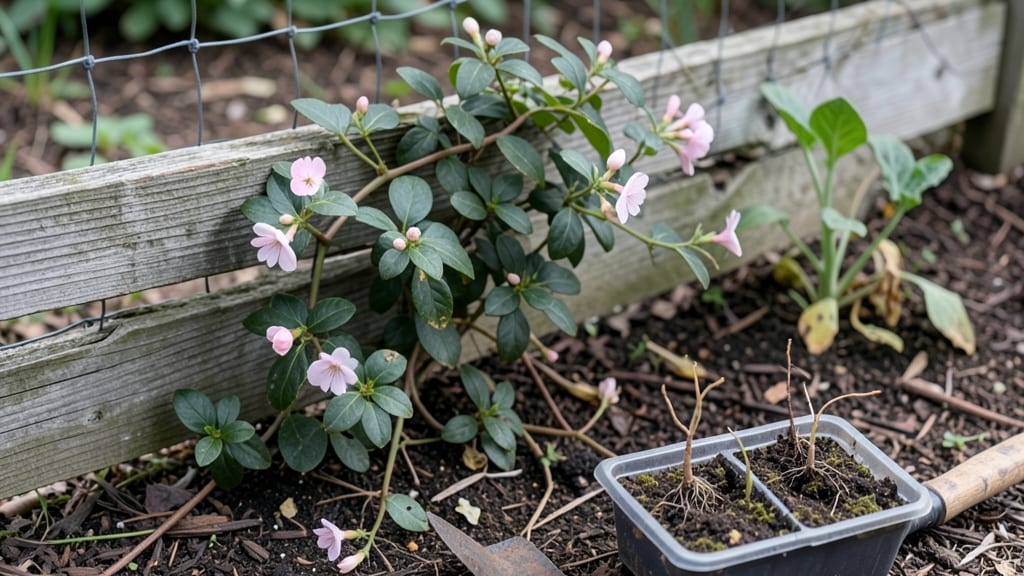
Pink jasmine vines can turn your yard into a fragrant paradise with their sweet, intoxicating blooms—planting pink jasmine starts with the right spot and soil. I learned the hard way that these vines thrive in partial shade, where they’ll reward you with flowers from late winter through fall.
The key is mimicking their natural habitat: moist but well-drained soil and a trellis or fence to climb.
You’ll need a 5-gallon container or 2-3 feet of space in the ground, depending on whether you’re planting in pots or beds. Pink jasmine varieties like Jasminum polyanthum grow aggressively, so give them room to spread or they’ll crowd out neighbors.
Amend heavy clay soil with compost to improve drainage—root rot is their biggest enemy. A slow-release fertilizer at planting time gives them a strong start.
Once planted, water deeply but let the top inch of soil dry between waterings. These vines hate soggy roots but love consistent moisture. Within 2-3 months, you’ll see new growth, and by next spring, fragrant clusters of pink flowers will perfume your garden.
Prune lightly after blooming to shape them, but avoid heavy cuts—it encourages leggy growth and fewer flowers.
Here’s the secret: pink jasmine blooms best when slightly stressed, so don’t overwater or fertilize. The most common mistake? Planting them in full sun, which burns the leaves and reduces flowering.
With the right care, your vines will climb, bloom, and fill your air with that signature jasmine scent—year after year.
📚 In This Guide
- What you need
- Instructions
- Tips and common mistakes
- Wrapping up and next steps
What you need
- ● Pink jasmine plants: 1–3 healthy cuttings or nursery-grown vines (ensure they’re disease-free and have strong roots).
- ● Well-draining potting mix: 2–3 bags (5–10 gallons total) of a blend like cactus/succulent mix or regular potting soil amended with 50% perlite or sand to prevent root rot.
- ● Containers (if potted): 1–2 10–15 gallon pots with drainage holes (terracotta or fabric pots work best).
- ● Gravel or pebbles (1–2 inches) for the pot’s drainage layer.
- ● Fertilizer: A balanced, slow-release fertilizer (10-10-10 or 20-20-20) or organic compost (1 cup per plant).
- ○ Support structure (optional but recommended): A trellis, arbor, or sturdy fence (for climbing varieties).
- ● Or bamboo stakes (3–4 feet tall) for smaller plants.
- ● Garden trowel or small shovel (for planting).
- ● Pruning shears (to trim roots or shape vines).
- ● Watering can or hose with a gentle spray nozzle (avoid overwatering!).
- ○ Gloves (optional, to protect hands from thorns or soil).
- ○ pH testing kit (optional): To check soil acidity (ideal range: 6.0–7.0).
- ● Sunlight: A location with full sun to partial shade (6+ hours of sunlight daily).
- ● Climate: Pink jasmine thrives in USDA Zones 9–11; in colder zones, grow in containers and bring indoors in winter.
- ● Water access: A nearby water source for consistent (but not soggy) moisture.
Step-by-Step instructions for planting pink jasmine
Here's how to establish fragrant pink jasmine vines that thrive and bloom reliably.
Choose the Right Location and Prepare the Soil
Pink jasmine thrives in full sun to partial shade, with at least 6 hours of sunlight daily for optimal blooming. If your climate is hot and dry, provide afternoon shade to prevent leaf scorch. I always test the soil first—jasmine prefers well-draining, slightly acidic soil with a pH between 6.0 and 6.5. If your soil is heavy clay, amend it with 2-3 inches of compost mixed into the top 12 inches of soil.
Dig a hole twice as wide as the root ball but only as deep as the container it came in. Loosen the roots gently if they’re circling the pot, but don’t prune them unless they’re severely bound. This ensures the plant establishes quickly without stress. Water the hole deeply before planting to settle the soil and remove air pockets.
Plant the Jasmine Vine Correctly
Place the jasmine plant in the hole, ensuring the top of the root ball sits even with the surrounding soil level. Press the soil firmly around the roots to eliminate air gaps, but avoid compacting it too tightly. I like to use my hands to gently tamp the soil while keeping the plant upright—this helps it stand strong as it adjusts to its new home.
After planting, water deeply to help the soil settle and encourage root contact. The soil should be moist but not soggy—think of a wrung-out sponge. Mulch around the base with 2-3 inches of organic mulch, like shredded bark or pine needles, to retain moisture and regulate soil temperature. Keep the mulch 2-3 inches away from the stem to prevent rot.
Provide Support and Encourage Growth
Pink jasmine is a vigorous climber, so install a trellis, arbor, or sturdy fence within 2-3 feet of the planting site before the vine starts growing. I use a 5-foot-tall obelisk for small spaces or a permanent fence for larger areas. Secure the vine loosely to the support with soft plant ties or old pantyhose to avoid damaging the stems as it grows.
Fertilize lightly 4-6 weeks after planting with a balanced, slow-release fertilizer (10-10-10 ratio). Over-fertilizing can lead to lush foliage but fewer flowers, which is the last thing you want with jasmine. Water deeply once a week during the first growing season, ensuring the soil stays consistently moist but well-drained. You’ll know it’s right when the top 1-2 inches of soil feel slightly damp to the touch.
Prune and Maintain for Year-Round Blooms
Prune jasmine right after flowering to encourage new growth and more blooms. Trim back any dead, damaged, or overcrowded stems to the nearest healthy bud. I also shape the vine lightly to keep it within bounds of its support structure—this prevents it from becoming too woody and ensures air circulation, which reduces disease risk.
During the dormant season (late fall to early spring), give the vine a light pruning to remove any weak or crossing branches. This keeps the plant healthy and promotes stronger growth in the next season. Jasmine is relatively low-maintenance once established, but consistent watering and seasonal pruning are key to keeping it blooming year-round.
Protect and Enjoy the Fragrance
Pink jasmine is sensitive to frost, so if you live in a colder climate, cover the plant with burlap or a frost blanket when temperatures drop below 25°F. This protects the delicate stems and ensures the vine survives to bloom again next year. In warmer climates, jasmine can bloom year-round, but it may take a short rest period in the heat of summer—just water consistently to keep it thriving.
Once established, jasmine requires minimal care but rewards you with intense, sweet fragrance that fills the air, especially in the evening. To maximize blooms, deadhead spent flowers regularly, and avoid heavy pruning in late summer—this encourages new growth that can bloom before winter. With the right care, your pink jasmine will become the star of your garden, offering beauty and scent for years to come.
Tips & tricks for planting pink jasmine
These simple yet game-changing tips will help your pink jasmine establish strong roots and bloom abundantly for years to come.
Soil Preparation is Everything: Don't skip the soil test before planting—jasmine's delicate roots need that perfect pH between 6.0 and 6.5. If your soil is heavy clay, mix in that 2-3 inches of compost all the way down to the 12-inch mark. I've seen jasmine plants struggle in unamended soil, even when everything else was perfect. The key is creating that well-draining environment right from the start.
Planting Depth Matters: When placing your jasmine in Step 2, make sure the root ball sits exactly even with the surrounding soil. I've made the mistake of planting too deep, which can cause rot, and too shallow, which leads to weak stems. Use a level or your eye to check—you want that root ball crown just barely visible above the soil line.
Watering Wisdom: That first deep watering after planting is crucial, but don't overdo it. The soil should be moist like a wrung-out sponge—not dripping wet. I've found that watering deeply once a week during the first growing season gives the roots just the right amount of moisture to establish without becoming waterlogged. Check the top 1-2 inches of soil—if it's dry, it's time to water.
Frost Protection Strategy: When temperatures drop below 25°F, don't wait until the last minute to cover your jasmine. I've learned the hard way that frost can damage the delicate stems even through a light covering. Get that burlap or frost blanket in place before the temperature drops, and remove it as soon as the weather warms up to prevent moisture buildup that can lead to rot.
Pro Tips for Planting Pink Jasmine
- These simple yet game-changing tips will help your pink jasmine establish strong roots and bloom abundantly for years to come.
- Soil Preparation is Everything: Don't skip the soil test before planting—jasmine's delicate roots need that perfect pH between 6.0 and 6.5.
- Planting Depth Matters: When placing your jasmine in Step 2, make sure the root ball sits exactly even with the surrounding soil.
Frequently asked questions
Got questions about growing pink jasmine? You’re not alone—this fragrant beauty has its quirks! Here are answers to the most common concerns to help you cultivate lush, blooming vines with confidence.
When is the best time to plant pink jasmine?
Pink jasmine thrives in warm weather, so plant it in spring or early summer after the last frost. This gives roots time to establish before cooler months. If you live in a mild climate (Zones 8-11), fall planting can also work—just avoid extreme heat or cold.
How long does it take for pink jasmine to bloom?
With patience, you’ll see flowers in 1-2 years! Young plants focus on root growth first, but mature vines (3+ years old) can bloom year-round in ideal conditions. Prune lightly after flowering to encourage more blooms—just don’t cut into old wood.
Can pink jasmine grow in containers?
Use a large container (15+ gallons) with drainage holes and a well-draining potting mix. Choose a spot with morning sun and afternoon shade to prevent wilting. Repot every 2-3 years and trim roots if they circle the pot.
Why isn’t my pink jasmine flowering?
Common culprits include:
- Too much shade: Needs 4-6 hours of sunlight daily.
- Over-fertilizing: Use a balanced, low-nitrogen fertilizer (10-10-10) sparingly.
- Improper pruning: Avoid cutting back hard—focus on shaping after blooms fade.
- Stress: Check for pests (aphids, spider mites) or root rot from overwatering.
What’s a good alternative if pink jasmine is hard to find?
Try these fragrant, low-maintenance vines:
- Star jasmine (Trachelospermum jasminoides): White flowers, drought-tolerant, and deer-resistant.
- Confederate jasmine (Trachelospermum × ‘Confederate’): Similar care, with creamy blooms.
- Clematis: Offers seasonal color variety (prune groups 1-3 differently).
Wrapping up and next steps
Planting pink jasmine is a rewarding journey that fills your space with intoxicating fragrance and year-round beauty. Whether you're a seasoned gardener or a beginner, these versatile vines thrive with the right care and attention—from well-draining soil to patient training. 🌸
Now that you’re armed with the knowledge, take the next step: pick your spot, gather your tools, and let the magic of pink jasmine transform your garden or balcony.
Watch as those delicate blooms unfold, and enjoy the sweet, heady scent that turns every day into a sensory delight! 🌿