
Companion Plants
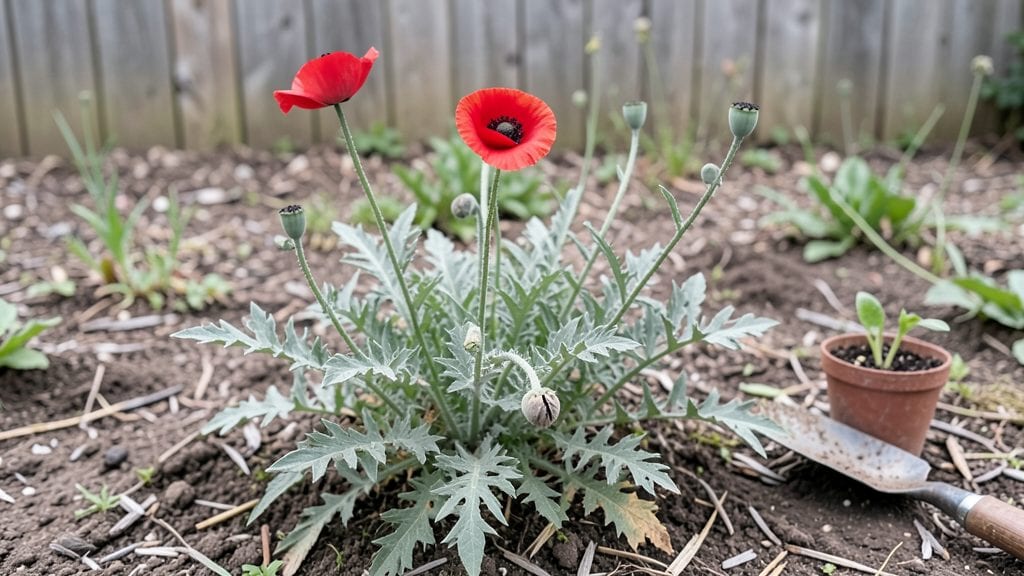
Planting poppy plants transforms your garden into a field of bold, paper-thin blooms that sway in the breeze. 🌸 I’ve watched my first poppies emerge from stubborn little seeds—right through concrete cracks—and now I know the secrets to making them thrive in your garden too.
The key isn’t fancy soil or perfect timing, but knowing when to tuck those seeds just deep enough so they don’t rot, yet close enough to sunlight that they remember where to grow.
Poppies love loose, well-draining soil and full sun, but they’ll forgive you if you plant them a little late—they germinate fast and grow like weeds once they get going. A handful of seeds scattered lightly over the soil, pressed in with your fingers, is all it takes.
They don’t need deep planting, just enough to keep them cozy but not smothered. Spring or fall works, but if you live where winters are mild, they’ll even bloom year after year with minimal care.
What you’ll end up with is a garden that feels like a painting—vibrant splashes of red, pink, or blue against green foliage that fades to lace as the blooms finish.
The flowers last just a day, but they’re replaced by new ones so quickly, your garden stays in full, cheerful bloom for weeks. Plus, poppies are self-seeding, so you’ll get free plants next year if you leave the seed pods alone.
They’re tougher than they look, but avoid overcrowding them—they’ll fight for sun and nutrients if packed too close. And if you’re planting near other flowers, poppies make great companions for roses and lavender, helping to deter pests naturally.
Ready to grow a garden that feels wild but stays simple? Let’s get those seeds in the ground.
📚 In This Guide
- What you need
- Instructions
- Tips and common mistakes
- Wrapping up and next steps
What you need
- ● Poppy seeds: Choose Papaver varieties (e.g., California poppy, opium poppy, or Shirley poppy). Buy 1–2 packets (500–1,000 seeds) for a small patch or 5+ packets for a full garden bed.
- ● Well-draining soil: Poppies hate soggy roots! Mix in sand or perlite (1 part per 3 parts soil) if your soil is heavy clay.
- ● Sunlight spot: A full-sun location (6+ hours/day)—poppies thrive in bright, open areas.
- ● Water: Light, infrequent watering (overwatering = sad poppies!).
- ● Garden gloves (to protect hands from prickly stems).
- ● Trowel or small shovel (for digging shallow trenches, ~¼ inch deep).
- ● Rake (to loosen soil before planting).
- ○ Mulch (optional): Straw or shredded leaves to retain moisture and deter weeds.
- ○ Companion plants (optional): Try pairing with basil, lettuce, or radishes—poppies deter pests naturally!
- ● Timing: Plant seeds outdoors in early spring (after last frost) or 8–10 weeks before fall for late blooms.
- ● Patience: Poppies germinate slowly (7–21 days)—don’t rush!
- ● Space: Thin seedlings to 6–12 inches apart (check seed packet for variety specifics).
How to plant poppy plants for stunning seasonal color
Here's my go-to method for growing poppies that burst into bold blooms with minimal fuss.
🌱 Step 1: Choose the Perfect Planting Spot
Poppies thrive in full sun—at least 6-8 hours daily. I always pick the sunniest, most open spot in my garden because they won't tolerate shade or competition from other plants. The soil should drain well; poppies hate soggy roots, so avoid low spots where water pools.
Loosen the top 6 inches of soil with a fork or trowel to break up compaction. Mix in a handful of compost if your soil is heavy clay or pure sand. Poppies grow best in average garden soil—no need for fancy amendments. Test the spot by digging a small hole and filling it with water; if it drains within 30 minutes, you're good to go.
🌱 Step 2: Plant Seeds at the Right Depth and Spacing
Poppy seeds are tiny—about the size of a pinhead—so I never plant them directly from the packet. Instead, I mix them with a little sand first to spread them evenly. Scatter seeds ¼ inch deep in rows 12-18 inches apart for single plants or 6-12 inches apart if you want a dense carpet of blooms.
Don't cover them with more than ¼ inch of soil—they need light to germinate. Gently press the soil around the seeds and water lightly with a fine spray. You'll see tiny green sprouts in 7-14 days if conditions are right. Here's the thing—poppies germinate best when soil temps are between 60-70°F, so wait until after your last frost date if your climate has cold winters.
☀️ Step 3: Give Them Space to Grow and Bloom
Once seedlings appear, thin them to 6-12 inches apart (depending on your variety) when they're 2-3 inches tall. Use scissors to snip unwanted plants at soil level—it's cleaner than pulling. Poppies grow fast, so don't rush this step. You'll know you've left enough space when mature plants have room for their 2-3 foot tall stems without crowding.
Water only when the soil feels dry to the touch—poppies are drought-tolerant once established. I usually water once a week unless we have a heatwave. Stop fertilizing after planting; poppies grow best in lean soil. You'll see those iconic blooms in 60-90 days, depending on your variety, and they'll last 3-5 days each before fading—but they self-seed prolifically for next year!
Tips & tricks for perfect poppy planting
These simple strategies will help you grow poppies that pop with color every season.
Sunlight Strategy: The 6-8 hours of daily sun is non-negotiable for poppies, but here's the trick: if your garden gets afternoon shade, plant them where they'll get morning sun instead. Poppies are flexible—they just need that consistent light exposure. I've seen them thrive with 5 hours of morning sun and 3 hours of late afternoon, but the blooms will be fewer if they don't get their full sun requirement.
Germination Hack: Those tiny poppy seeds need light to sprout, so don't bury them too deep—just that ¼ inch as mentioned. Here's what I do differently: I sprinkle a thin layer of sand over the seeds after planting. This helps keep them in place while still allowing light to reach them, and it prevents birds from snatching them up before they germinate. The sand also helps with that even distribution when you mix seeds with it first.
Thinning Technique: When it's time to thin those seedlings to 6-12 inches apart, don't grab and pull—they'll break easily. Instead, use clean scissors to snip at soil level. This keeps the roots intact for the plants you're keeping. I also like to thin on a slightly cloudy day—the seedlings are less stressed without the midday sun beating down on them. And here's a bonus: those thinned seedlings make great additions to other garden areas or containers!
Watering Wisdom: Poppies are famously drought-tolerant, but that doesn't mean you should neglect them completely. After planting, keep the soil consistently moist (not soggy) until they're about 2 inches tall. Then you can switch to that once-a-week watering. The key is to water deeply when you do—soak the soil to about 6 inches down. This encourages strong root growth that'll support those tall stems later.
Pro Tips for Planting Poppy Plants
- These simple strategies will help you grow poppies that pop with color every season.
- Sunlight Strategy: The 6-8 hours of daily sun is non-negotiable for poppies, but here's the trick: if your garden gets afternoon shade, plant them where they'll get morning sun instead.
- Germination Hack: Those tiny poppy seeds need light to sprout, so don't bury them too deep—just that ¼ inch as mentioned.
Frequently asked questions
Got questions about growing poppy plants? You’re not alone—these vibrant blooms are as tricky as they are stunning! Here are answers to the most common queries to help you cultivate confidence (and poppies) like a pro.
When is the best time to plant poppy seeds?
Poppies thrive when planted in early spring or late summer, after the last frost. They prefer cooler soil (60–70°F) and struggle in hot, dry conditions. For fall blooms, sow seeds in late summer—they’ll germinate slowly but reward you with stunning spring flowers! Pro tip: Avoid planting in sweltering heat; seeds may fail to sprout.
How long does it take for poppy plants to grow?
From seed to bloom is a short but sweet journey! Poppies typically sprout in 7–14 days, reach maturity in 6–8 weeks, and flower in just 8–10 weeks total. Patience pays off—these fast growers are perfect for quick garden transformations! Watch for: Thin stems or leggy seedlings, which signal overcrowding.
Can I grow poppies indoors or in containers?
Yes! Poppies adapt well to containers (6+ inches deep) or indoor windowsills with full sun. Use well-draining soil and a pot with drainage holes to prevent root rot. For indoor blooms, start seeds early and supplement with grow lights if natural light is limited. Bonus: Mix poppies with dwarf companions like sweet alyssum for a mini meadow effect!
Why aren’t my poppy seeds germinating?
Poppy seeds are fussy—here’s how to troubleshoot:
- Too deep: Plant seeds just below the soil surface (¼ inch max); they need light to sprout.
- Overwatering: Keep soil moist but not soggy—seeds rot in excess water.
- Old seeds: Poppy seeds lose viability after 1–2 years. Use fresh seeds for best results.
- Heat stress: Seeds need cool soil (60–70°F) to germinate.
What can I plant near poppies for a stunning companion garden?
Poppies pair beautifully with low-maintenance, sun-loving companions:
- Lavender (repels pests, adds fragrance)
- Salvia (drought-tolerant, attracts pollinators)
- Cosmos (self-seeds, thrives in poor soil)
- Marigolds (deters aphids, boosts color contrast)
Wrapping up and next steps
Planting poppy plants is a rewarding journey that brings vibrant color and a touch of whimsy to your garden. 🌸 From selecting the right soil to nurturing those delicate blooms, every step is simple yet impactful.
With the right care, you’ll soon be greeted by fields of cheerful poppies—perfect for adding charm to borders, meadows, or even containers.
Ready to dive in? Start by gathering your supplies and follow the three easy steps outlined above. Before you know it, your garden will be alive with bold, beautiful blooms that’ll make your neighbors green with envy. Happy planting! 🌱