Pruning
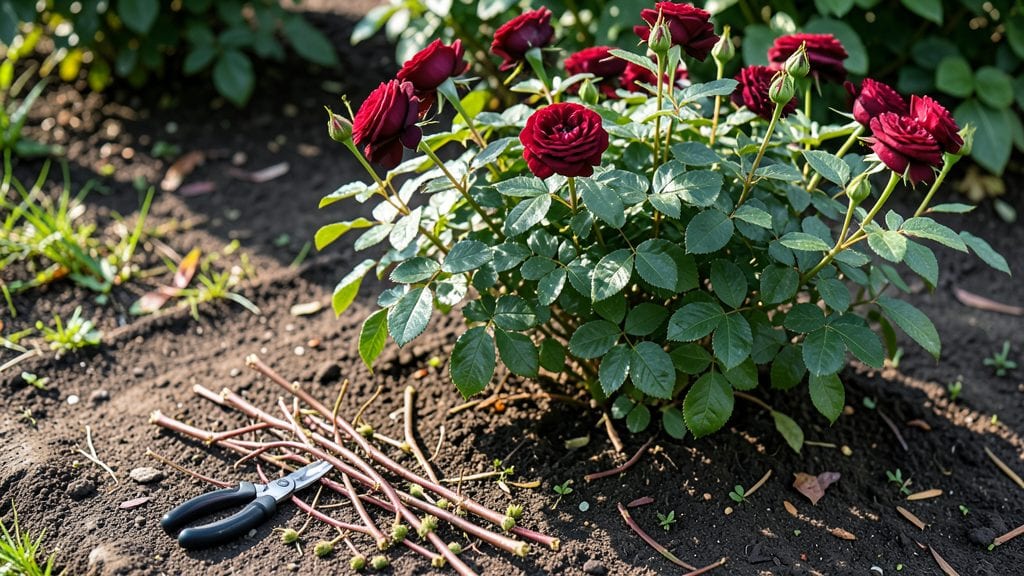
Pruning a plant isn’t just about hacking back branches—it’s the secret to keeping your garden thriving year-round. 🌿 I’ve watched my own shrubs go from scraggly to showstopping just by cutting at the right times, and the difference is night and day.
The key? Three strategic cuts timed to your plant’s natural rhythm, not just when it looks messy.
You’ll need just a few tools—a sharp pair of pruners, gloves, and maybe a small saw for thicker branches—and about 20 minutes to refresh even the most overgrown plants.
The real magic happens when you match the cut to the season: early spring for shape, summer for blooms, and late winter for cleanup. It’s not complicated, but skipping these steps means missing out on healthier growth and more flowers.
By the end, you’ll have plants that look like they belong in a botanical garden, not a neglected corner. The leaves will be denser, the blooms more abundant, and you’ll actually enjoy working in your yard instead of dreading it.
Plus, you’ll save money by avoiding dead plants that need replacing. Here’s how to make every snip count.
Works for shrubs, trees, flowering plants, and even some vegetables—just adjust the timing based on what you’re growing. And don’t worry if you’ve never pruned before; I’ll walk you through the exact cuts to make, what to avoid, and how to tell if you’ve done it right.
Let’s get those shears out!
📚 In This Guide
- What you need
- Instructions
- Tips and common mistakes
- Wrapping up and next steps
What you need
- ● Pruning shears: Bypass pruners (sharp, clean blades for clean cuts) – 1 pair (for small branches, loppers or a pruning saw.
- ● Gloves: Heavy-duty, gardening gloves (to protect hands from thorns or rough stems).
- ● Disinfectant: Rubbing alcohol (70%+) or hydrogen peroxide (3%) (to sterilize tools between cuts and prevent disease).
- ● Sharpie or marker: Permanent marker (for labeling cuttings if propagating).
- ● Trash bag or bucket: (for collecting clippings—1-2 depending on plant size).
- ● Water & spray bottle: (for hydrating cuttings if propagating).
- ● Hand pruners: For tiny cuts (like deadheading flowers).
- ● Rooting hormone: (speeds up root growth for cuttings).
- ● Pruning sealant: (for large cuts on trees/shrubs to prevent disease).
- ● Notebook & pen: (to track pruning dates and plant responses).
- ● Knee pad or stool: (for comfort during larger pruning sessions).
Instructions: prune a plant for continuous blooms
Here's how I keep plants flowering all year with just three simple cuts—no fancy tools needed.
✂️ Step 1: Early Spring Cleanup Cut
Start by removing all dead or damaged branches first. Look for brown, brittle stems or leaves that never fully opened last season—they won't produce new growth. Cut these back to healthy green tissue using clean, sharp pruners. This ensures energy goes to fresh growth instead of struggling to revive dead wood.
Next, trim back any overgrown branches by about one-third of their length. Focus on the oldest stems first since they've already borne flowers. You'll know you're cutting enough when you can see new buds forming at the base of each branch. This encourages bushier growth and more flower production later.
✂️ Step 2: Mid-Summer Maintenance Prune
When you notice spent flowers with long, leafless stems, it's time for your second cut. Remove these "bleeding hearts" (the faded blooms) right at the base where they meet the main stem. This prevents the plant from wasting energy on seed production and redirects it toward new flower buds.
Also check for any branches growing inward or crossing others. These compete for sunlight and air circulation, which weakens the plant. Thin these out completely, cutting all the way back to the main stem. You'll see a difference within weeks—fewer crowded stems means more room for new growth and better air flow.
✂️ Step 3: Late Fall/Winter Shaping Cut
In cooler months, focus on giving your plant a clean shape rather than removing specific flowers. Step back and look at the overall form—remove any branches that disrupt the natural shape or grow in odd directions. Cut these back to where they branch off from healthier stems.
For woody plants, this is also when you can do any major structural pruning. If a branch is larger than one-quarter the diameter of the main stem, make your cut just outside the branch collar (the swollen area where it meets the main stem). This helps prevent disease from entering the wound.
⏰ Step 4: Year-Round Check-In Prunes
Between these three main cuts, do quick monthly checks for any branches that look stressed, diseased, or out of place. A simple snip to remove just the affected portion keeps the plant healthy without major disruption. Look for leaves with unusual spots, powdery coatings, or yellowing—these are early signs your plant needs attention.
Also watch for new growth that's growing toward the center of the plant. This shade-loving growth will never bloom well. Trim it back to the outer edges to keep sunlight reaching all parts of the plant. You'll see more even blooming throughout the season when every part gets proper light.
Tips & tricks for perfect plant pruning
Real talk: Pruning isn't just about cutting branches—it's about giving your plant a second chance to shine. Here's what nobody tells you about keeping your plants blooming beautifully all year.
The Timing Secret: Early spring is your golden window for the first cut. That's when plants are just waking up from dormancy, ready to put energy into new growth. Don't wait until leaves start appearing—act right when you see those first signs of life. And trust me on this: those one-third cuts on old stems? They're not arbitrary. That specific ratio triggers bushier growth patterns that most plants respond to beautifully.
Tool Technique: Your pruners are only as good as their sharpness. Dull blades crush stems instead of making clean cuts, which invites disease. I always clean my pruners with rubbing alcohol between cuts—especially when moving from diseased branches to healthy ones. Also, make cuts at a 45-degree angle just above a bud or branch collar. This little detail prevents water from pooling on the wound and helps new growth emerge more quickly.
Seasonal Strategy: The mid-summer maintenance prune is where you'll see the most immediate results. When you remove those spent flowers right at the base, you're not just cleaning up—you're telling the plant, "No seeds this year, just more blooms." And here's a pro move: if you have multiple plants, alternate which ones you prune each year. This staggered approach ensures you always have some flowers while others recover, giving you continuous blooms throughout the season.
Recovery Watch: After any major pruning, keep an eye out for "pruning shock"—those sudden wilting leaves or yellowing. This is normal! Just give your plant a little extra water and make sure it's getting plenty of light. Most plants bounce back within a couple weeks. The key is to avoid over-pruning—never remove more than one-third of the plant's foliage in a single session, especially for woody plants.
Pro Tips for Prune A Plant
- Real talk: Pruning isn't just about cutting branches—it's about giving your plant a second chance to shine.
- The Timing Secret: Early spring is your golden window for the first cut.
- Tool Technique: Your pruners are only as good as their sharpness.
Frequently asked questions
Got questions about pruning? You’re not alone—every gardener needs a little guidance now and then! Here are answers to the most common queries to help you prune like a pro.
When is the best time to prune my plant?
The ideal time depends on your plant! Spring is best for most flowering plants (just after blooms fade), while late winter/early spring works for fruit trees and shrubs. Evergreens and conifers can be pruned in early spring or summer to avoid winter dieback. Avoid heavy pruning in fall—it stresses plants before dormancy.
Do I need special tools to prune?
Not necessarily! Basic hand pruners work for small branches, but for thicker stems, invest in bypass pruners or a pruning saw. A clean, sharp tool is more important than fancy gear—dull blades tear bark, inviting disease. Disinfect tools with rubbing alcohol between cuts to prevent spreading pests.
Will pruning kill my plant?
If done correctly, pruning revives plants by removing dead or crowded growth. But over-pruning (cutting more than ⅓ of foliage at once) can stress the plant. Focus on healthy growth: trim dead wood first, then shape. Always leave at least 3–5 strong buds per stem to encourage regrowth.
Can I prune in winter?
Winter pruning is tricky—it’s best for dormant plants like roses, fruit trees, and shrubs (Dec–Feb in mild climates). Avoid pruning in freezing temps or during hard frosts, as cold damage can hide behind cuts. For tropical or tender plants, wait until spring to avoid frost sensitivity.
What if my plant doesn’t bloom after pruning?
Patience is key! Some plants (like hydrangeas or wisteria) need 1–2 years to rebound. Check your technique: Flowering plants (e.g., roses) should be pruned after blooming, while spring bloomers (e.g., lilacs) need cuts right after they flower. Over-fertilizing post-prune can also delay blooms—stick to balanced fertilizer.
Pro Tip:
Unsure if a cut is too much? Less is more! Always err on the side of caution—you can always prune more later, but you can’t undo a severe cut. Snap a photo of your plant before pruning for a reference.
Wrapping up and next steps
Pruning isn’t just a seasonal task—it’s the secret sauce for keeping your plants thriving year-round! 🌿 Whether you’re shaping shrubs in spring, reviving roses in summer, or preparing perennials for winter, the right cuts ensure healthier growth and stunning blooms.
Remember: confidence comes with practice, so don’t hesitate to grab those shears and get hands-on.
Ready to see the difference? Pick one plant this week—follow the seasonal guide, and watch your garden transform. Happy pruning! 🌸