
Pruning
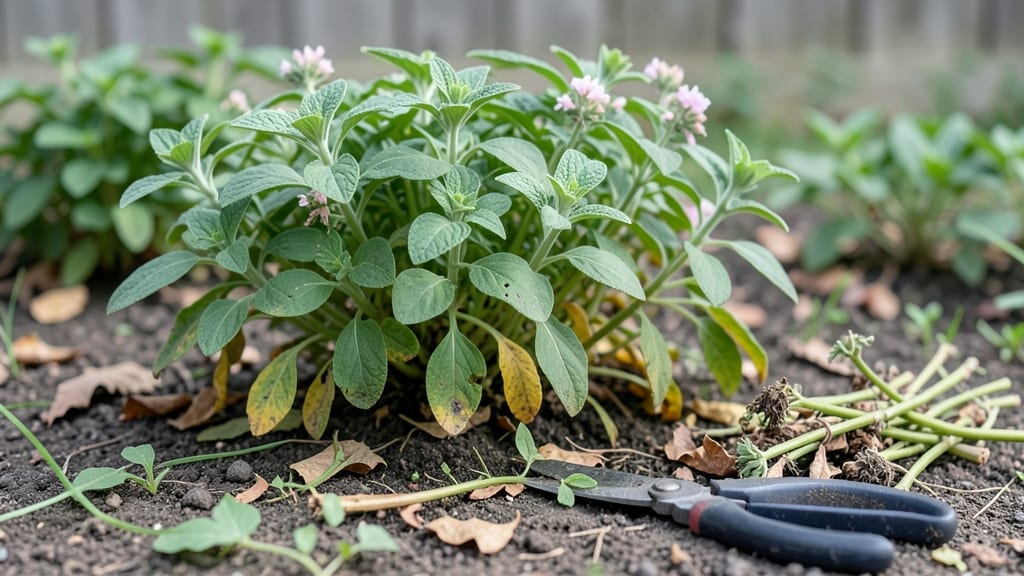
Pruning your oregano plant isn’t just about keeping it tidy—it’s how you unlock a harvest that lasts all year. ✨ I’ve turned my once-lanky oregano bushes into flavor-packed powerhouses using just two simple cuts, and the difference in growth and taste is night and day.
The key is timing: a spring trim to shape the plant and a late-summer cut to boost next year’s harvest.
You’ll need sharp pruning shears, a clean pair of gloves, and about 15 minutes on a calm day. Start by removing any dead or woody stems at the base—this opens up airflow and prevents disease.
Then, cut back the top third of the plant to encourage bushier growth, but never trim more than a third at once. This keeps your oregano productive without shocking it.
What you’ll end up with is a compact, vibrant plant that smells like a Mediterranean summer and tastes even better. The leaves stay tender and flavorful, and you’ll have fresh oregano for cooking, garnishes, or drying all winter long.
The best part? This method works for both potted oregano and in-ground plants, so you can apply it no matter where your herbs grow.
Fair warning: over-pruning in winter can kill your plant, and cutting too late in the season means lost growth. But once you get the rhythm, you’ll be harvesting fresh oregano year-round—no store-bought substitutes needed. Let’s get those shears ready!
📚 In This Guide
- What you need
- Instructions
- Tips and common mistakes
- Wrapping up and next steps
What you need
- ● Pruning shears – Sharp, clean bypass pruners (4-6 inches in size) to avoid crushing stems.
- ○ Gloves – Heavy-duty gardening gloves (optional but recommended to protect hands from thorns and sap).
- ● Disinfectant – 70% isopropyl alcohol or a 10% bleach solution (1 part bleach to 9 parts water) to sterilize tools and prevent disease.
- ○ Containers or bags – Small pruning bags or a bucket for collecting trimmings (optional but helpful for composting or drying).
- ● Watering can or hose – For post-pruning hydration (especially if pruning in hot/dry conditions).
- ● Hand pruners – For smaller, more precise cuts on hard-to-reach stems.
- ● Labeling tags – If propagating from cuttings, mark containers with dates or plant names.
- ● Plant food or fertilizer – A balanced, water-soluble fertilizer (e.g., 10-10-10) to revive the plant after pruning.
- ● Drying rack or mesh screen – If you plan to dry the oregano for later use.
How to prune oregano for a lush, year-round harvest
Two easy trims keep your oregano bushy, flavorful, and producing all season long.
✂️ Step 1: First Trim After Spring Growth Begins
Wait until your oregano has 4-6 sets of true leaves—that’s when it’s strong enough to handle its first haircut. Use clean, sharp pruning shears to cut back about one-third of the plant’s height, focusing on the oldest stems first. This encourages new growth from the base and keeps the plant compact.
Here’s the thing—I always start by removing any dead or yellowing stems first. These won’t regrow and just take energy from the healthy parts. Then, make your cuts just above a set of leaves where two stems meet. This ensures the plant knows exactly where to sprout new branches.
✂️ Step 2: Mid-Season Trim to Encourage Fullness
About 6-8 weeks after the first trim, give your oregano another light haircut. This time, cut back only the longest stems by about one-half their length. You’ll see new side shoots forming within 2-3 weeks—that’s your signal the plant is responding well.
Don’t skip this step. I’ve seen oregano plants grow leggy and sparse when left untrimmed. The key is to never remove more than one-third of the plant at a time. This prevents shock and keeps the plant producing steadily. If you’re harvesting leaves regularly, you can trim more often—just keep it light.
🌿 Step 3: Light Winter Pruning to Shape and Prepare
In late fall or early winter, give your oregano a final light trim to shape it and remove any dead growth. Cut back only the very tips of the stems by about 1 inch, focusing on keeping the plant neat rather than encouraging new growth. This helps the plant enter dormancy cleanly.
I know it seems counterintuitive to trim in winter, but this prevents the plant from getting too woody. Oregano is a perennial, so it’ll bounce back in spring. Just avoid heavy pruning now—you’re not trying to stimulate growth, just tidying up. If your climate gets very cold, consider moving potted oregano to a sheltered spot.
💧 Step 4: Post-Prune Care for a Strong Recovery
After each trim, water the plant deeply—about 1 inch of water—to help it recover. Oregano is drought-tolerant, but pruning stresses the plant, so it needs a little extra moisture. Avoid wetting the leaves if possible, as this can lead to fungal issues. Water at the base instead.
Here’s what I do next: I spread a thin layer of mulch around the base (if growing in the ground) to retain moisture and regulate soil temperature. This small step makes a big difference in keeping the plant healthy between trims. If you’re growing oregano in a pot, just ensure it has good drainage—no soggy roots!
Tips & tricks for pruning oregano like a pro
These simple tricks will help you keep your oregano thriving and full of flavor all year long—no green thumb required.
The Timing Secret: Real talk: I used to prune whenever I remembered, and my oregano would get patchy. The key is patience—wait for those 4-6 sets of true leaves before the first trim. This ensures your plant is strong enough to handle the cut. I check my oregano every few days in spring to catch that perfect moment. Don't rush it!
Tool Tip: Your pruning shears matter more than you think. Use clean, sharp shears every time—dull blades tear stems and invite disease. I keep a small bottle of rubbing alcohol nearby to wipe down my shears between cuts. This small habit prevents fungal issues and keeps your plant healthy. Also, avoid using scissors or kitchen knives—they're too small and can damage the plant.
Visual Cue: When you're making those cuts in Step 1, look for the spot just above where two stems meet. That's where new growth will sprout most vigorously. I always make a tiny mental note of where I cut—this helps me remember the pattern for future trims. If you're unsure, think of it like giving the plant a haircut just above the "neckline" where the branches meet.
Winter Prep Strategy: That light winter trim in Step 3 might seem counterintuitive, but trust me on this: it's all about preparation. Focus on removing only the very tips by about 1 inch, and avoid any heavy cuts. This helps the plant enter dormancy cleanly and prevents it from becoming too woody. I've seen oregano plants that were neglected in winter become almost unrecognizable by spring—don't let that happen to yours!
Pro Tips for Prune Oregano Plant
- These simple tricks will help you keep your oregano thriving and full of flavor all year long—no green thumb required.
- The Timing Secret: Real talk: I used to prune whenever I remembered, and my oregano would get patchy.
- Tool Tip: Your pruning shears matter more than you think.
Frequently asked questions
Got questions about pruning your oregano plant? You’re not alone! Here are some of the most common concerns—and their answers—to keep your herb thriving all year.
When is the best time to prune oregano?
Prune oregano twice a year: once in early spring (before new growth) and again after harvest in late summer/fall. Light trims can happen anytime, but avoid heavy pruning in winter when growth slows. Pro tip: If you’re harvesting regularly, a little pruning every 4–6 weeks keeps the plant bushy!
How much should I trim off?
Remove one-third of the plant’s growth during major prunes, focusing on leggy stems or overcrowded areas. For maintenance, snip just the top 2–3 inches to encourage branching. Never cut into woody stems—this can harm the plant. Warning: Over-trimming can stress oregano, so ease into it!
Can I prune oregano in winter?
Light pruning is fine in mild winters, but avoid heavy cuts when the plant is dormant (below 40°F/4°C). If your oregano is indoors, trim lightly to shape it, but hold off outdoors until spring. Fun fact: Indoor oregano grows year-round—just keep it near a sunny window!
What if my oregano turns woody after pruning?
Woody stems are normal as oregano matures, but you can rejuvenate it by pruning right above a leaf node (where leaves meet the stem). For severely woody plants, cut back halfway to the base in early spring—new growth will sprout from the roots. Pro tip: Divide and replant woody clumps to propagate fresh starts!
Can I use pruned oregano stems for anything else?
Dry the stems for potpourri, infuse oils for homemade remedies, or even regrow new plants from cuttings. Just strip the leaves, let stems dry for 1–2 weeks, then store in a jar. Bonus: Freeze fresh prunings in ice cubes for a flavor boost in winter soups!
Still stumped? Drop your question in the comments—we’re happy to help your oregano thrive!
Wrapping up and next steps
Pruning your oregano plant isn’t just about keeping it tidy—it’s the secret to a bountiful, flavorful harvest all year long! 🌿 By mastering the two simple trims (early spring and post-harvest), you’ll encourage bushier growth, prevent woody stems, and enjoy fresh, aromatic leaves whenever you need them.
Whether you’re a seasoned gardener or just starting out, these techniques make maintenance effortless and rewarding.
Now that you’re armed with the know-how, grab those shears and get pruning! 🌱 Start with your first trim this spring, and soon you’ll be harvesting vibrant oregano for everything from homemade pesto to rustic bread. Happy gardening!