
Pruning
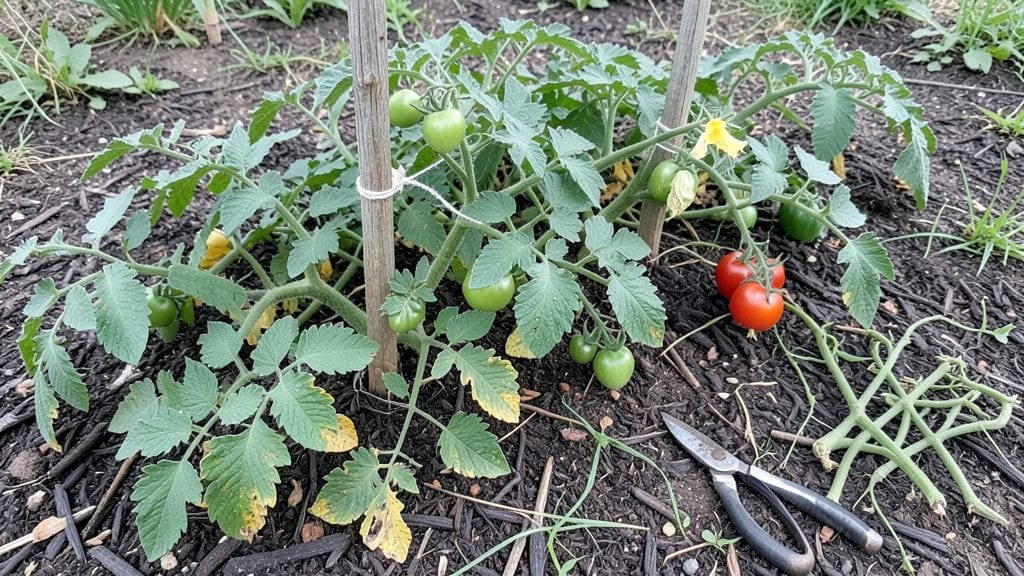
Watch this prune tomato plants YouTube tutorial to transform your harvest—just three strategic cuts turn a modest garden into a year-round feast, and skipping them risks disease-ridden foliage. The key is focusing on suckers, lower leaves, and damaged growth without going overboard.
You’ll need sharp pruning shears, a sunny day, and about 20 minutes per plant. Start by removing suckers—the little shoots growing between stems and leaves—just above a leaf node.
This redirects energy to fruit production instead of leafy growth. Next, trim lower leaves touching the soil to improve airflow and prevent rot.
With proper pruning, your plants will stay stronger, produce larger tomatoes, and keep yielding well into fall. The difference between a pruned and unpruned plant is like night and day—more sunlight reaches the fruit, and pests have fewer hiding spots.
Just avoid cutting too much or using dull tools, which can damage stems.
For visual guidance, check out channels like Gardeners.com or Epic Gardening on YouTube—they break down pruning techniques with clear demonstrations. Once you get the hang of it, you’ll wonder how you ever grew tomatoes any other way.
📚 In This Guide
- What you need
- Instructions
- Tips and common mistakes
- Wrapping up and next steps
What you need
- ● Pruning shears or hand pruners: Sharp, clean, and sterilized (bypass pruners work best for clean cuts). Quantity: 1 pair.
- ● Gloves: Heavy-duty gardening gloves (to protect against thorns and dirt). Quantity: 1 pair.
- ● Disinfectant (rubbing alcohol or bleach solution): 70% isopropyl alcohol or 1 part bleach to 9 parts water (to sterilize tools between cuts).
- ● Small trash bag or bucket: For collecting pruned branches and debris.
- ○ Staking or trellis system: Optional but helpful for indeterminate varieties (e.g., bamboo stakes, tomato cages, or wire trellises).
- ● Garden twine or soft ties: For securing plants to supports (if using stakes). Quantity: 1-2 rolls.
- ● Plant ties or Velcro strips: Easier to adjust than twine.
- ● Potting soil or compost: For amending soil after pruning (if needed).
- ● Spray bottle with water: To mist cuts and encourage faster healing.
- ● Notebook or app: For tracking pruning dates and plant progress.
Instructions for pruning tomato plants to maximize yields
Here's the straightforward pruning method I use to keep tomato plants productive all season long.
Identify and Remove Suckers for Stronger Growth
Start pruning when your tomato plants reach about 12 inches tall, typically 3-4 weeks after transplanting. Suckers are the small shoots that grow in the V-shaped junction between the main stem and a branch. These compete with your fruit for energy, so you'll want to pinch them off early.
Use your fingers or clean pruning shears to gently squeeze the sucker between your thumb and forefinger. Don't cut—just snap it off cleanly at the base. I check for suckers once a week during warm weather, as they grow fast. If you wait too long, they'll thicken into woody stems that are harder to remove.
Prune Lower Leaves to Improve Airflow and Prevent Disease
About 6 weeks after transplanting, remove all leaves from the lower 12-18 inches of the plant. This might seem counterintuitive, but it prevents soil-borne diseases like early blight from splashing up onto the plant during watering. Use sharp pruning shears to make clean cuts just above a leaf node or branch.
I also remove any yellow or diseased leaves immediately—they're a magnet for pests and fungi. Focus on leaves that touch the ground or hang low, as these are the most vulnerable. After pruning, water the base of the plant deeply to help it recover and reduce stress.
Trim Excessive Foliage to Direct Energy to Fruit Production
Once your tomato plants start flowering, shift your focus to balancing foliage and fruit. Remove any leaves that shade the fruit clusters, especially on indeterminate varieties that keep growing all season. Aim to keep 3-4 leaves below each flower cluster to ensure they get enough sunlight for pollination.
For determinate tomatoes (bush varieties), prune lightly—just remove suckers and diseased leaves. Indeterminate tomatoes need more aggressive pruning: trim back one-third of the plant's height if it grows taller than 6-7 feet. This encourages stronger stems and heavier fruit production. Always prune in the morning so wounds have time to dry before evening moisture sets in.
Maintain Pruning Through the Growing Season
Continue pruning throughout the season, focusing on removing suckers, diseased leaves, and overcrowded branches. I prune every 2-3 weeks during peak growth to keep the plant balanced. For indeterminate tomatoes, pinch off the top growth when the plant reaches your desired height (usually 6-7 feet for most varieties).
Watch for signs of stress like wilting or yellowing leaves—these can signal over-pruning or disease. If you see new suckers forming, remove them immediately to prevent competition. Pruning isn't just about cutting; it's about encouraging the plant to focus its energy where it matters most—on producing fruit.
Tips & tricks for pruning tomato plants
These simple strategies will help you maintain healthy tomato plants and maximize your harvest all season long.
Timing is Everything: When you start pruning at the 12-inch mark, typically 3-4 weeks after transplanting, you set the foundation for strong growth. I've found that waiting too long to remove suckers can lead to woody stems that are harder to remove later. The key is consistency—check for new suckers once a week during warm weather when they grow most rapidly. This weekly check prevents those small shoots from becoming major energy drains on your plant.
Tool Selection Matters: While you can pinch off suckers with your fingers, I recommend using clean pruning shears for larger branches and lower leaves. The sharp blades make cleaner cuts that heal faster and reduce the risk of disease entry points. Always sterilize your tools with rubbing alcohol between plants to prevent cross-contamination. I keep a small bottle of alcohol in my gardening toolkit for quick sanitization between cuts.
Morning Pruning Pays Off: The instructions mention pruning in the morning, and there's a good reason for this timing. Morning pruning allows wounds to dry completely before evening moisture arrives, which significantly reduces the risk of fungal infections. I've noticed that plants pruned in the morning also bounce back faster from the stress of cutting, showing less wilting and recovering their vigor more quickly.
Variety-Specific Approach: Remember how the instructions differentiate between determinate and indeterminate varieties? This distinction is crucial. For determinate tomatoes, focus on removing only suckers and diseased leaves—these bush varieties handle pruning less well. For indeterminate varieties that can grow 6-7 feet tall, be more aggressive with your pruning, trimming back one-third of the plant's height when needed. This aggressive approach encourages stronger stems and heavier fruit production that determinate varieties simply can't match.
Pro Tips for Prune Tomato Plants Youtube
- These simple strategies will help you maintain healthy tomato plants and maximize your harvest all season long.
- Timing is Everything: When you start pruning at the 12-inch mark, typically 3-4 weeks after transplanting, you set the foundation for strong growth.
- Tool Selection Matters: While you can pinch off suckers with your fingers, I recommend using clean pruning shears for larger branches and lower leaves.
Frequently asked questions
Got questions about pruning tomato plants? You’re not alone! Here are answers to the most common queries—whether you're a first-time gardener or a seasoned green thumb looking to refine your technique.
When is the best time to prune tomato plants?
Prune your tomato plants early and often—start when they’re 6–12 inches tall and continue throughout the growing season. For indeterminate varieties (like cherry tomatoes), prune regularly to remove suckers (side shoots) and encourage upward growth. Determinate tomatoes (bush types) need minimal pruning—just remove damaged leaves or overcrowded foliage. Timing tip: Avoid pruning during extreme heat or right before heavy rain to prevent stress.
What if I don’t prune my tomato plants at all?
You can skip pruning, but expect fewer, smaller fruits and more disease risks. Without pruning, plants channel energy into dense foliage instead of fruit production. Unpruned tomatoes may also struggle with airflow, leading to blight or mildew. If you’re short on time, focus on removing only yellow or diseased leaves—this still improves air circulation!
Can I prune tomato plants too much?
Yes! Over-pruning can stress the plant, reduce yield, or even kill it. Never remove more than 1/3 of the plant’s foliage at once. For indeterminate tomatoes, aim to leave 3–4 main stems and balance pruning with regular watering and fertilizer. If your plant looks weak after pruning, pause and let it recover before cutting more.
How do I prune tomato plants in hot or cold weather?
Prune during cool, cloudy mornings to minimize plant stress. In hot weather, avoid heavy pruning—focus on removing only large, lower leaves to reduce water loss. In cold climates, prune lightly in spring to encourage new growth, but stop pruning 4–6 weeks before the first frost to harden the plant for winter.
Are there alternatives to pruning tomato plants?
If pruning feels overwhelming, try these low-maintenance alternatives:
- Thinning seedlings: Remove weaker seedlings early to give strong plants more space.
- Staking or caging: Supports vertical growth, reducing the need for heavy pruning.
- Dwarf varieties: Choose compact determinate tomatoes (like ‘Patio’ or ‘Roma’) that require minimal pruning.
- Mulching: Keeps soil moist and reduces leaf diseases, cutting down on pruning needs.
What should I do if my tomato plant looks sick after pruning?
If your plant wilts, yellows, or stops producing after pruning, it may be shocked. Act fast:
- Water deeply to revive roots.
- Apply a balanced fertilizer (like 10-10-10) to boost recovery.
- Pause pruning for 1–2 weeks.
- Check for pests (aphids, whiteflies) or disease (spotty leaves = fungal issue).
Wrapping up and next steps
Pruning your tomato plants isn’t just about keeping them tidy—it’s the secret to bigger yields, healthier growth, and a longer harvest season. 🌱 With the right cuts (like suckers, leaves, and stems), you’ll transform your garden into a year-round fruit factory.
Whether you’re a beginner or a green thumb, these techniques will give you confidence in the dirt.
Ready to take action? Grab your pruners, pick a sunny day, and start trimming! For extra guidance, check out our recommended YouTube tutorials—then watch your tomatoes thrive like never before. Happy pruning!