
Pruning
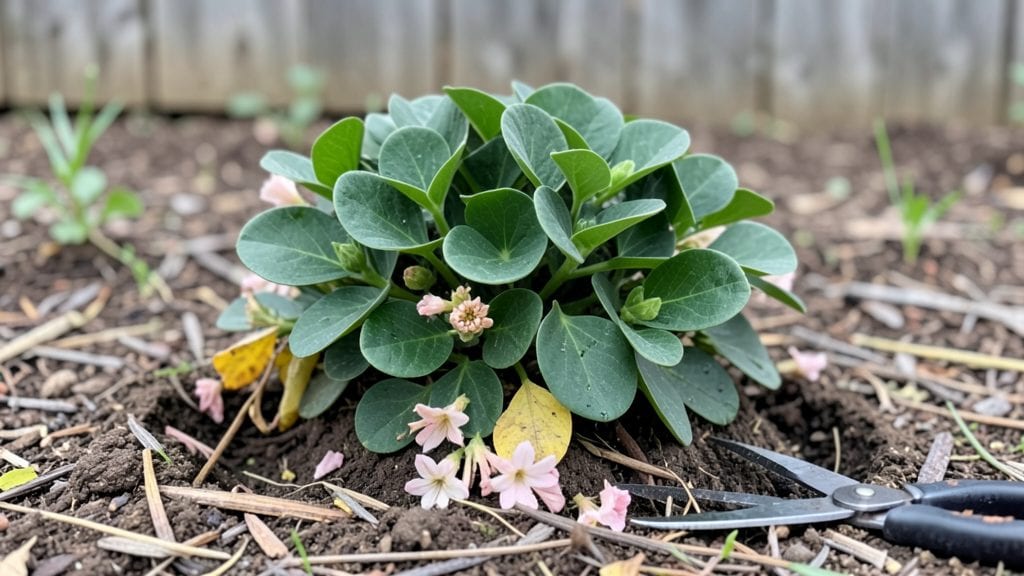
Pruning vinca plants is how I turn my leggy, overgrown bushes into neighborhood showstoppers—dense, blooming machines that look like they cost a fortune but cost nothing. 🌿 The key isn’t just cutting back; it’s timing it right and knowing where to snip for that perfect balance of bushiness and flowers.
Most people wait too late, and by then, the plant’s already spent its energy for the year.
You’ll need just three tools: sharp pruning shears, gloves (vinca leaves can be sharp), and a small bucket for clippings. The real secret? Prune in late winter or early spring—right before new growth starts—so the plant has the whole season to recover and bloom.
For leggy plants, cut back by one-third to encourage fresh, compact growth. And here’s the trick: always cut just above a leaf node, where new shoots will emerge.
Within 4-6 weeks, you’ll see thick, vibrant foliage and a surge of new flowers. The plant will look fuller, healthier, and ready to handle summer heat without wilting. Even if you’ve let yours get out of control, this method works—just be patient, and don’t overdo it in one session.
The payoff? A vinca that blooms nonstop from spring to frost, with zero effort after the initial trim.
Works for both vinca major (larger leaves) and vinca minor (smaller, ground-cover types), and the same principles apply whether you’re pruning in a garden bed or a container. Once you master this, your vinca will be the envy of the block—without a single dead branch in sight.
📚 In This Guide
- What you need
- Instructions
- Tips and common mistakes
- Wrapping up and next steps
What you need
- ● Sharp bypass pruners – Must be clean and sharp (sterilize with rubbing alcohol to prevent disease). Choose 5-inch models for medium-sized branches.
- ● Hand pruners (felco or similar) – For smaller stems and deadheading. Opt for ergonomic handles if pruning large batches.
- ● Gloves (gardening or cut-resistant) – Protects hands from thorns (some Vinca varieties have mild prickles) and sap.
- ● Disposable pruning bags or bucket – Collect clippings for composting or disposal. A 5-gallon bucket works well.
- ● Rubbing alcohol (70% or higher) – 1 small bottle for sterilizing tools between cuts.
- ○ Sharpie or plant marker – Optional but helpful for labeling pruned sections if grafting or propagating.
- ● Loppers (for overgrown plants) – If your Vinca has thick, woody stems over ½-inch thick.
- ● Hose or water spray bottle – Keeps plants hydrated post-pruning and rinses off sap.
- ● Pruning saw (for stubborn branches) – Rarely needed, but useful for 1-inch+ thick growth.
- ● Compost bin or mulch – Recycle clippings to enrich your garden soil!
Pruning vinca plants: 3-Step guide to lush, year-round blooms
Vinca thrives when you prune it right—here's how to keep it blooming like clockwork all season.
✂️ Step 1: Deadhead Spent Blooms for Continuous Flowers
Start by pinching off faded flowers as soon as they wilt. I use my thumb and forefinger to gently twist the bloom stem until it snaps cleanly at the base—no need for shears here. This prevents the plant from wasting energy producing seeds and redirects it toward new buds. You'll see fresh flowers emerging within 2-3 weeks of consistent deadheading.
Work in the morning when blooms are still crisp. Avoid pruning after midday—vinca plants heal faster when temperatures are cooler. If you spot any brown or blackened stems, snip those off too. These are signs of disease, and removing them early keeps your vinca healthy.
✂️ Step 2: Light Pruning After First Major Bloom Cycle
Once the first big flush of flowers fades, give your vinca a 1/3 reduction in height. Use clean, sharp pruners to cut just above a leaf node or set of leaves—this is where new growth will sprout. I like to step back and look at the plant before cutting; this helps me see where to trim for the most balanced shape.
Prune on a dry, overcast day to reduce stress on the plant. If you notice leggy growth, cut back those stems too—this encourages bushier, fuller plants. After pruning, give the vinca a light drink of water to help it recover. You'll see fresh, vibrant growth within 3-4 weeks.
✂️ Step 3: Renewal Pruning in Late Summer for Fall/Winter Blooms
In late summer, give your vinca another trim to encourage a second round of blooms. Cut back about half the height of the plant, focusing on older stems first. This step is all about rejuvenation—you're essentially giving the plant a fresh start for the cooler months. Vinca is tough and will bounce back beautifully.
After this final pruning, reduce watering slightly but keep the soil lightly moist. Vinca is drought-tolerant, but consistent moisture helps it establish new growth. If you live in a cold climate, consider moving potted vinca to a sheltered spot or bringing it indoors before the first frost. With this late-season trim, you'll often see a fresh set of blooms by early fall.
Tips & tricks for perfect vinca pruning
These simple tricks will help you keep your vinca looking its best—and blooming for months on end.
Timing is Everything: In Step 1, don't wait until flowers are completely brown to deadhead. The moment you notice wilting or color fading is the perfect time to pinch them off. I've learned this the hard way—waiting too long means the plant puts energy into seed production instead of new blooms. Those 2-3 weeks until new flowers appear will fly by if you stay consistent!
Tool Selection Matters: For Step 2's height reduction, invest in a pair of clean, sharp pruners—dull blades crush stems and create openings for disease. I keep a small pair just for vinca pruning and sterilize them with rubbing alcohol between uses. If you're cutting just a few stems, your fingers work great for Step 1, but for larger pruning jobs, proper tools make all the difference.
Visual Pruning Guide: Before making any cuts in Step 2 or Step 3, step back and look at your vinca from all sides. Imagine the plant as a rounded dome—this is the natural shape vinca prefers. Cutting back leggy stems or overgrown areas helps maintain that balanced silhouette. Think of it like giving your plant a haircut that flatters its natural shape.
Seasonal Care Adjustments: The late summer renewal pruning in Step 3 is your secret weapon for fall blooms. After cutting back about half the height, reduce watering slightly but keep the soil lightly moist. Vinca is tough, but consistent moisture helps it establish new growth. If you live in a cold climate, move potted vinca to a sheltered spot before frost—this simple step can mean the difference between winter survival and plant loss.
Pro Tips for Pruning Vinca Plants
- These simple tricks will help you keep your vinca looking its best—and blooming for months on end.
- Timing is Everything: In Step 1, don't wait until flowers are completely brown to deadhead.
- Tool Selection Matters: For Step 2's height reduction, invest in a pair of clean, sharp pruners—dull blades crush stems and create openings for disease.
Frequently asked questions
Got questions about pruning vinca plants?
You’re not alone! Here are answers to the most common concerns—from timing to troubleshooting—so you can keep your vinca looking its best with minimal stress.
When is the best time to prune vinca plants?
Prune vinca in early spring (just as new growth begins) or after flowering (late summer/fall) to encourage bushier growth and more blooms. Avoid heavy pruning in winter, as cold stress can harm the plant. A light trim to remove dead stems in late winter is fine!
How much should I cut back vinca plants?
For established vinca, trim back one-third to one-half of the plant’s height to promote fullness. If your vinca is leggy, focus on cutting back the oldest stems first. Avoid over-pruning—vinca is resilient but can struggle if cut back too aggressively. Think of it like a haircut: shape, not sacrifice!
What if my vinca doesn’t bloom after pruning?
Lack of blooms often means too much shade or over-fertilizing with high-nitrogen food (which encourages leafy growth over flowers). Ensure your vinca gets 6+ hours of sunlight and switch to a balanced or bloom-boosting fertilizer (like 10-10-10 or 5-10-5). Deadhead spent blooms too!
Can I prune vinca in containers differently than in-ground plants?
Yes! Container vinca needs more frequent pruning—trim back by one-third every 4-6 weeks during growing season to prevent root-bound stress. Also, rotate containers monthly so all sides get sunlight. Drainage is key too—ensure pots have holes to avoid soggy roots!
Should I worry about pests after pruning?
Pruning can stress plants slightly, making them temporarily more vulnerable to pests like aphids or spider mites. Inspect leaves after pruning and blow off debris with water. Neem oil or insecticidal soap can help if pests appear. Healthy vinca with good airflow usually stays pest-free!
Wrapping up and next steps
Pruning your vinca plants is a simple yet powerful way to keep them thriving and blooming beautifully all year long! 🌸 By following these three easy steps—timing, technique, and aftercare—you’ll encourage healthier growth and stunning flowers with minimal effort.
Remember, consistency is key, and soon you’ll have a vibrant, low-maintenance garden centerpiece.
Ready to give your vinca plants the TLC they deserve? Grab your pruners and get started today! For even more gardening tips, check out our guide to seasonal plant care next.