
Planting
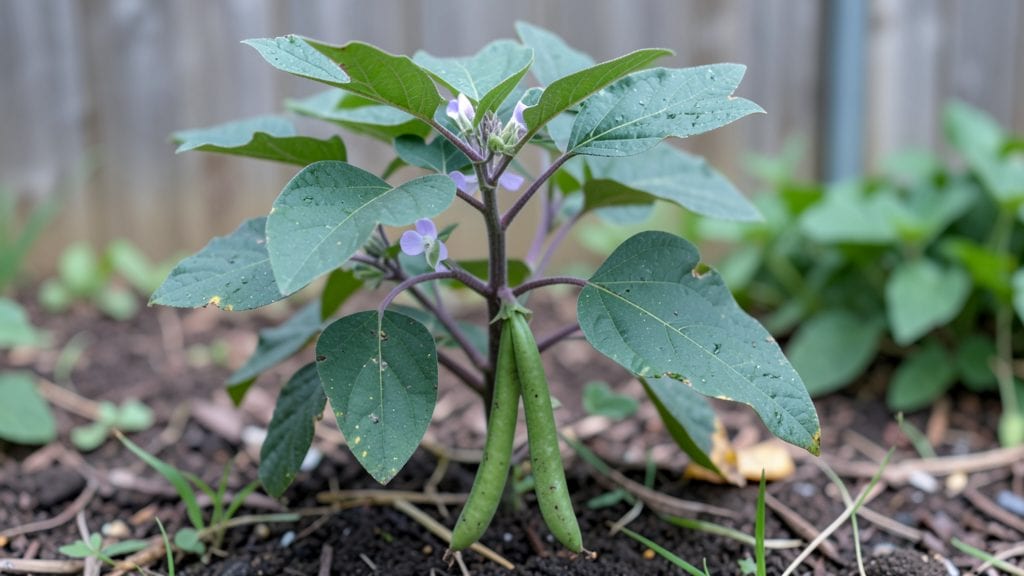
The purple bean plant brings color and nutrition to your garden in ways few other crops can. 🌿 I first grew Scarlet Runner beans after seeing their dramatic purple blooms and realized they’re not just pretty—they’re edible, productive, and perfect for small spaces.
These beans climb like vines but stay compact enough for containers or trellises, making them ideal for urban gardens or balconies.
Start with well-draining soil rich in organic matter, and plant seeds about an inch deep after the last frost when soil reaches 60°F. Purple Hyacinth beans thrive in full sun but tolerate partial shade, while Scarlet Runner beans need at least 6-8 hours of sunlight daily.
Water consistently to keep soil moist but not soggy—these plants hate soggy roots.
By midsummer, you’ll harvest both tender pods and stunning edible flowers that taste like sweet peas. The pods mature into nutrient-packed beans, and the flowers add a pop of color to salads or garnishes.
With proper care, one plant yields enough for fresh eating and preserving—no need for fancy equipment, just a little patience.
Companion plants like marigolds deter pests, while basil improves flavor. Watch for Japanese beetles or aphids, but a strong spray of water usually does the trick. Even beginners see results—just give them space to climb and consistent care. Ready to grow your own edible garden showstopper?
📚 In This Guide
- What you need
- Instructions
- Tips and common mistakes
- Wrapping up and next steps
What you need
- ● Seeds: 10–20 purple bean seeds (non-GMO, heirloom varieties recommended for best color and flavor).
- ● Potting Mix: 2–3 gallons of well-draining, organic potting soil (or a mix of 60% compost, 30% coconut coir, and 10% perlite).
- ● Containers or Garden Bed: Containers: 5-gallon pots (1 per plant) with drainage holes, or
- ● Garden Bed: A sunny spot with at least 6–8 hours of light and loose, fertile soil (amend with compost if needed).
- ● Fertilizer: Balanced organic fertilizer (10-10-10 or compost tea) for planting and a phosphorus-rich fertilizer (5-10-10) when flowers appear.
- ● Watering Can or Hose with Nozzle: For gentle, deep watering (1–2 inches per week, adjusting for climate).
- ● Trellis or Support: A 6–8 foot tall bamboo stake, wire trellis, or A-frame for climbing varieties.
- ● Pruning Shears: Small, sharp shears for trimming and harvesting.
- ● Mulch: Straw or shredded leaves to retain moisture and suppress weeds.
- ● pH Test Kit: To ensure soil pH is between 6.0–7.0 (purple beans prefer slightly acidic to neutral soil).
- ● Shade Cloth: Lightweight fabric (30–50%) to protect young plants from intense afternoon sun in hot climates.
- ● Harvest Basket or Scissors: For gently picking flowers and pods without damaging the plant.
- ● Garden Gloves: To protect your hands while handling thorny stems or soil.
Step-by-Step instructions for growing purple bean plants
Here's how to cultivate these stunning edible plants from seed to harvest.
🌱 Step 1: Prepare the Planting Site
Purple beans thrive in well-draining soil with plenty of organic matter. Work the 2-3 inches of compost into the top 6 inches of soil in your chosen location. These plants need full sun, so pick a spot that gets at least 6-8 hours of direct sunlight daily. If your soil is heavy clay, mix in 1 part perlite for every 3 parts soil to improve drainage.
Test your soil pH before planting—purple beans prefer slightly acidic to neutral soil with a pH between 6.0-7.0. You can adjust the pH by adding lime to raise it or sulfur to lower it. Once the soil is prepared, rake it smooth to create a fine seedbed for planting.
🌱 Step 2: Plant Seeds at the Right Depth and Spacing
Plant the 4 packets of seeds about 1 inch deep and 3-4 inches apart in rows that are 18-24 inches apart. You'll want to plant 4 seeds per hill to ensure a good stand, as germination rates can vary. Press the seeds lightly into the soil to ensure good soil-to-seed contact, which helps with moisture absorption and germination.
Water the soil gently but thoroughly after planting to settle the seeds and provide the moisture they need to sprout. Keep the soil consistently moist but not soggy until the seeds germinate, which typically takes 7-14 days. You'll know it's time to water again when the top 1 inch of soil feels dry.
☀️ Step 3: Provide Support and Maintain Consistent Care
As the plants grow, they'll need support to climb. Install 5-foot tall trellises or stakes about 6 inches away from the plants to give them room to grow toward the support. You can use the bamboo stakes or metal trellis provided to create a sturdy climbing structure. Gently guide the vines toward the support as they grow to encourage upward growth.
Water the plants at the base 1-2 inches per week, aiming for the soil rather than the leaves to prevent disease. Purple beans are drought-tolerant once established, but consistent moisture during flowering and pod development ensures a better yield. Fertilize lightly with 5-10-10 fertilizer every 4-6 weeks to support healthy growth.
✂️ Step 4: Harvest Flowers and Pods at Peak Ripeness
You can start harvesting the edible flowers once they fully open and are vibrant purple. Pick them in the morning when they're at their freshest. For pods, wait until they're 4-6 inches long and have turned a deep purple color. Harvest pods regularly to encourage more production—this prevents the plants from putting all their energy into seed production.
To harvest, gently twist the pods off the vine or use a pair of clean scissors to snip them just above a leaf node. You'll see the pods continue to grow in their place, so consistent harvesting keeps the plant productive. Store harvested flowers and pods in the refrigerator for up to 5 days or freeze them for longer storage.
🌿 Step 5: Extend the Harvest Season
To prolong the harvest, keep the soil consistently moist and fertilize lightly every 4-6 weeks during the growing season. If your climate has cool nights, consider using row covers to protect the plants and extend the growing season. You can also succession plant by sowing new seeds every 2-3 weeks for a continuous harvest.
Once the plants have finished producing, you can compost the remaining plant material. Save some seeds from the pods for next year's planting—just let a few pods mature fully on the plant before harvesting them for seed saving.
Tips & tricks for perfect purple bean plant cultivation
Growing these beautiful edible plants takes patience—but these insider tips will help you avoid common pitfalls and maximize your harvest.
Soil Preparation Secret: Don't skip the soil test! Purple beans are sensitive to pH. I've seen gardens with perfect compost still fail because the pH was off. Use a simple soil test kit to confirm your pH is between 6.0-7.0 before planting. If you're unsure, aim for 6.5—it's the sweet spot for these plants. The extra effort prevents stunted growth later.
Planting Strategy: The 4 seeds per hill in Step 2 might seem like overkill, but trust me—it works. Planting multiple seeds ensures you'll have at least one strong plant per location, even if some seeds don't germinate. After germination, thin to the strongest seedling, leaving the others as backup. This is especially important in cooler climates where germination rates can drop below 70%.
Watering Wisdom: Those 1-2 inches of water per week in Step 3 are critical, but timing matters just as much. Water in the early morning so leaves have time to dry completely before evening. Wet foliage at night invites fungal diseases, and purple beans are particularly susceptible. I've lost entire plants to powdery mildew from nighttime watering—don't make my mistake!
Harvest Timing: For the best flavor, harvest flowers when they're fully open but still vibrant purple. Pods should be 4-6 inches long with a deep purple hue. Here's my trick: Pick pods in the morning when they're firm and crisp. The longer they stay on the vine, the tougher they become—harvesting regularly keeps them tender. Store them in the fridge for up to 5 days, but I find freezing works better for long-term storage.
Pro Tips for Purple Bean Plant
- Growing these beautiful edible plants takes patience—but these insider tips will help you avoid common pitfalls and maximize your harvest.
- Soil Preparation Secret: Don't skip the soil test!
- Planting Strategy: The 4 seeds per hill in Step 2 might seem like overkill, but trust me—it works.
Frequently asked questions
Got questions about growing and enjoying your purple bean plant? You’re in the right place! Here are some of the most common queries—plus quick, practical answers to keep your harvest thriving.
How long does it take for purple beans to mature?
Most varieties of Phaseolus vulgaris (purple beans) take 60 to 80 days from planting to harvest, depending on the cultivar. Check the seed packet for specifics—some dwarf types mature faster (50–60 days), while larger varieties may need closer to 90 days. Pro tip: Plant seeds after the last frost when soil is at least 60°F (15°C) for best germination.
Can I grow purple beans in containers?
Purple beans thrive in containers as long as the pot is at least 12–18 inches deep and has drainage holes. Use a lightweight, well-draining potting mix and place the container in full sun (6+ hours daily). Bonus: Trellis varieties (like ‘Purple King’) save space by growing vertically—just add a sturdy stake or cage!
What pests should I watch for with purple beans?
Common pests include bean beetles, aphids, and spider mites. Handpick beetles early, or spray plants with neem oil or insecticidal soap for mild infestations. Preventative tip: Interplant with marigolds or basil to deter pests naturally. Monitor leaves for yellowing or webbing—signs of trouble!
Are the flowers and pods both edible?
Yes! Purple bean flowers are delicate and edible—use them raw in salads or as garnishes (they taste mildly sweet). The pods are the star: harvest young (3–4 inches long) for tender, crisp texture. Safety note: Avoid over-mature pods (they toughen and lose flavor). Always wash flowers/pods thoroughly before eating.
Can purple beans survive frost?
Nope! Purple beans are tender annuals and cannot tolerate frost. Plant after your area’s last frost date, and harvest before temperatures drop below 50°F (10°C). In cooler climates, opt for shorter-season varieties or extend the season with row covers. Quick fix: If frost threatens, pick pods immediately—they’ll still be edible (though texture may soften).
What can I plant after purple beans?
Purple beans are light feeders, so they leave soil nutrients intact. Follow them with heavy feeders like corn, squash, or tomatoes, or nitrogen-lovers such as lettuce or spinach. Pro tip: Add a compost top-dressing before replanting to boost soil health. Avoid planting other beans or peas in the same spot next year to prevent disease buildup.
Wrapping up and next steps
Growing a purple bean plant is a rewarding journey that brings vibrant beauty and nutritional benefits to your garden. From their stunning edible flowers to their protein-rich pods, these plants offer both aesthetic charm and culinary versatility.
Whether you're a seasoned gardener or just starting out, the purple bean plant is a fantastic addition to your green space.
Ready to dive in? Start by gathering your materials, choosing the right location, and following the planting tips shared above. Happy gardening! 🌱💜