
Companion Plants
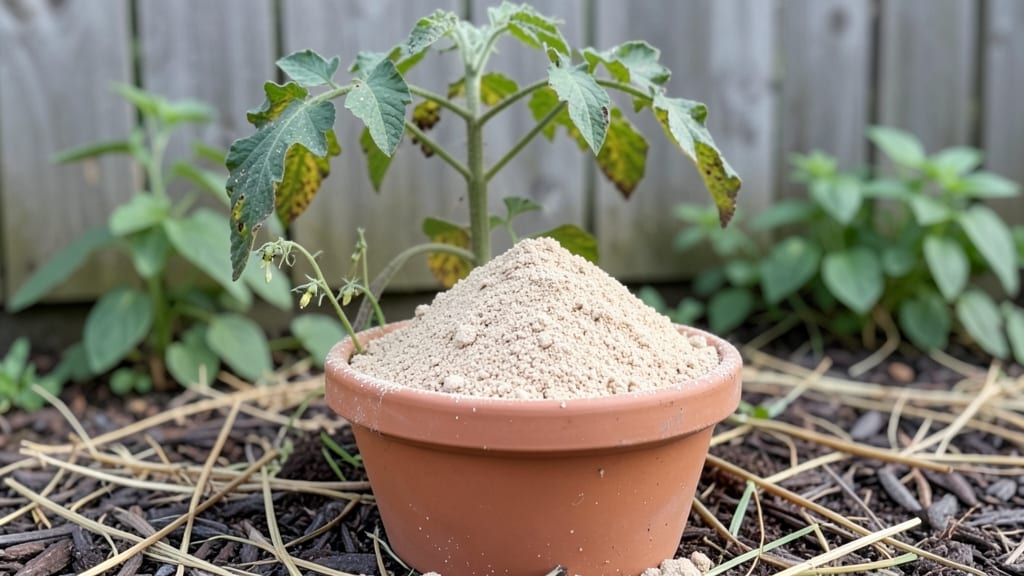
Pyrethrin for plants is a natural insecticide derived from chrysanthemum flowers, effective against soft-bodied pests like aphids, mites, and caterpillars. It disrupts nervous systems in insects but breaks down quickly in sunlight, requiring reapplication and careful handling for safety.
Pyrethrin stands out as a plant-based alternative to chemical pesticides, offering targeted pest control without harsh residues. 🌿 Derived from chrysanthemum flowers, it works by overstimulating insect nerve cells, causing rapid paralysis and death.
Unlike synthetic pesticides, it degrades within hours of exposure to sunlight, making it safer for pollinators when applied correctly. However, its short lifespan means you'll need to reapply every few days during active pest seasons, especially in shaded garden areas.
For gardeners prioritizing organic methods, pyrethrin is a go-to solution for soft-bodied insects, though it won't harm bees if used at dusk or dawn. Always mix it with a mild soap (like castile) to improve adhesion, and avoid spraying on windy days to prevent drift.
I've found that combining it with neem oil creates a powerful two-pronged defense against aphid infestations.
💡 In This Article
- How Pyrethrin Kills Pests and Protects Plants
- Safe Application Tips for Pyrethrin in Gardens
How pyrethrin kills pests and protects plants
Pyrethrin works by targeting the nervous systems of insects through a mechanism called sodium channel modulation. When insects come into contact with it, the compound binds to voltage-gated sodium channels in nerve cell membranes, preventing them from closing properly.
This causes a relentless influx of sodium ions, leading to uncontrolled nerve firing—what scientists call repetitive nerve impulses. Within seconds, pests like aphids or spider mites experience muscle spasms, paralysis, and eventually death.
The rapid knockdown effect is what makes pyrethrin so effective against soft-bodied insects. Unlike some synthetic pesticides that require hours or days to kill, pyrethrin typically causes visible symptoms within minutes of contact. This is why gardeners often see immediate results when treating infestations.
However, the kill isn't instant—it's a two-phase process: first paralysis, then death within 24-48 hours. The compound's effectiveness varies by pest species, with caterpillars and beetles showing higher susceptibility than harder-shelled insects like earwigs.
What makes pyrethrin safer for mammals is its species-specific toxicity. Insects have nerve cells with sodium channels that are particularly sensitive to pyrethrin's structure, while mammalian nerve cells have evolved different channel configurations that resist the same disruption.
This is why dogs or humans exposed to pyrethrin might experience mild skin irritation but don't suffer the same neurological effects as insects. The compound's low mammalian toxicity is measured at LD50 values over 500 mg/kg for oral exposure in rats—far higher than most synthetic pesticides.
When comparing pyrethrin to synthetic pyrethroids (like permethrin), the natural version breaks down 10-100 times faster in sunlight. While synthetic pyrethroids can persist for weeks, pyrethrin's half-life is typically 1-2 hours under direct UV exposure.
This rapid degradation is both an advantage (reduced environmental accumulation) and a limitation (frequent reapplication needed). The environmental impact is significantly lower—studies show pyrethrin degrades into harmless byproducts like chrysanthemic acid, while synthetic versions can leave toxic residues in soil for months.
Here's where the science gets interesting: pyrethrin's effectiveness depends on proper application timing. Spraying during peak pest activity (like early morning when aphids are feeding) maximizes contact. The compound works best when applied as a fine mist that coats pests thoroughly.
Unlike systemic pesticides that move through plant tissues, pyrethrin acts on contact only—this is why thorough coverage matters. For example, treating a tomato plant for hornworms requires spraying both the leaves and stems where these caterpillars hide.
The rapid degradation also means pyrethrin becomes less effective as temperatures rise. At 90°F+, its breakdown accelerates to just 30 minutes, which is why gardeners in hot climates need to apply it more frequently.
This temperature sensitivity is why pyrethrin works so well in shaded garden areas—it lasts longer where sunlight can't reach it. The trade-off is that you'll need to reapply every 3-5 days during active pest seasons, compared to synthetic pesticides that might last weeks.
What most gardeners don't realize is how pyrethrin's mechanism differs from other natural insecticides like neem oil. While neem disrupts insect hormones and feeding behaviors, pyrethrin attacks the nervous system directly. This makes it particularly effective against pests that have developed resistance to neem.
The combination of these two approaches creates what entomologists call a multi-mode action that's harder for pests to resist. 🌟