
Pruning
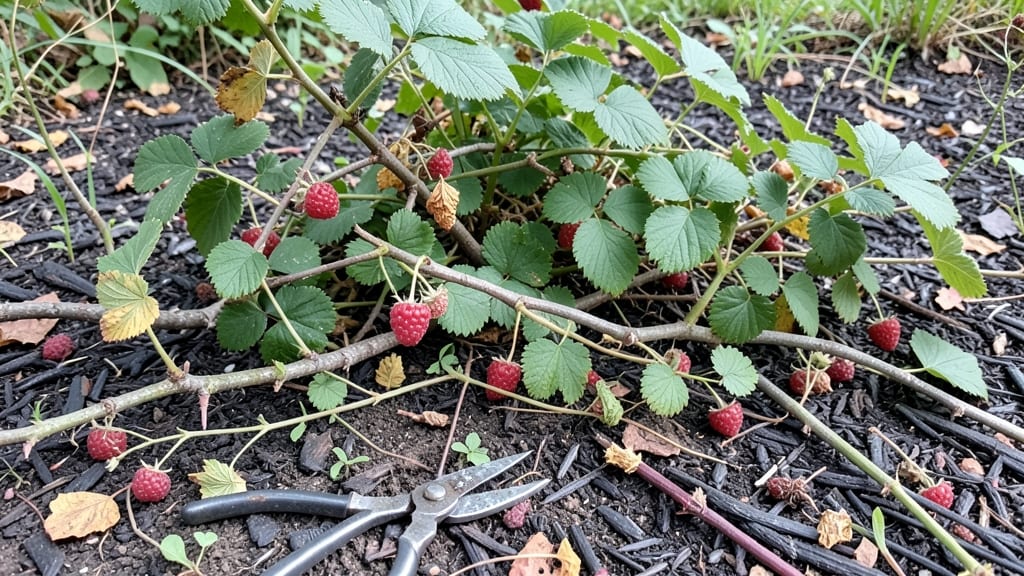
Mastering raspberry plant care pruning turns a tangled mess into a fruit-producing powerhouse—three strategic cuts a year can double your harvest. I’ve spent years watching my canes go from chaotic to perfectly shaped, and the difference in berries is shocking.
The key isn’t just cutting; it’s knowing when and why you’re making each trim, whether you’ve got summer-bearing or fall-bearing varieties.
Most people overcomplicate it, but you only need three passes: late winter cleanup, summer thinning, and post-harvest shaping. Each serves a purpose—removing dead wood, encouraging new growth, and training canes for next year’s fruit.
I’ll walk you through how to spot the right canes to keep (the thick, healthy ones) and which to cut (the thin, weak ones that never produce).
By the end, your patch will look like a well-oiled machine, not a jungle. You’ll see fewer tangled canes, more sunlight reaching the center, and berries that ripen faster and sweeter.
The best part? First-time pruners can nail this with just a few simple rules and a sharp pair of loppers.
We’ll also cover the biggest mistakes—like pruning at the wrong time or cutting back too aggressively—and how to avoid them. Whether you’re dealing with floricane (fall-bearing) or primocane (summer-bearing) types, this system works. Let’s get those canes in shape!
📚 In This Guide
- What you need
- Instructions
- Tips and common mistakes
- Wrapping up and next steps
What you need
- ● Pruning shears: Bypass pruners (sharp, clean, and sterilized with rubbing alcohol between cuts) – 1 pair (or 2 for large canes).
- ○ Loppers: For thicker canes (½"–1" diameter) – 1 pair (optional but helpful for established bushes).
- ● Garden gloves: Heavy-duty, cut-resistant (protects from thorns and sap) – 1 pair.
- ● Disinfectant: 70% isopropyl alcohol or bleach solution (1 part bleach to 9 parts water) – small spray bottle.
- ● Garden twine or zip ties: For staking (if needed) – 5–10 ft.
- ● Markers or flags: Colored stakes or tape to tag canes for identification – 5–10 pieces.
- ● Pruning saw: For stubborn, woody canes (rarely needed for young plants).
- ● Hose or water sprayer: To clean tools and rinse sap off cuts.
- ● Compost bin: For collecting pruned canes (they decompose well!).
- ● Plant food: Balanced fertilizer (10-10-10) for post-pruning recovery – small bag.
- ● Safety glasses: If dealing with thick, tangled canes (splinters happen!).
Step-by-step pruning guide for year-round raspberry harvests
Three strategic cuts keep raspberries productive and healthy—here's how to time and execute them perfectly.
Late Winter Pruning to Remove Old Canes
Start pruning in late winter (just before new growth begins) when the ground is workable but before buds swell. This is the most critical cut—you're removing last year's fruited canes that have now become woody and unproductive. Look for canes that are brown and hollow at the base; these are the ones to cut completely to the ground.
Use clean, sharp pruning shears to make cuts at a 45-degree angle about ¼ inch above the ground. This prevents water from pooling on the stub. I like to bundle and burn these old canes immediately—they can harbor diseases that spread to next year's growth. Leave only the green, healthy canes that emerged last summer, which will produce this year's fruit.
Summer Pruning to Thin and Support New Growth
About 6-8 weeks after flowering, when new canes are 3-4 feet tall, it's time for the second pruning. This step focuses on thinning rather than removing. Look for canes that are crowded or growing toward the center of the plant—these compete for sunlight and resources. Selectively cut these at the base, leaving only the strongest, outermost canes (about 4-6 per plant for mature bushes).
This isn't just about quantity—it's about quality. You'll see the remaining canes grow thicker and straighter with better air circulation. Tie remaining canes to trellis supports (if using) with soft plant ties to prevent wind damage. Watch for yellowing leaves on any canes—this signals a cane that's struggling and should be removed immediately to redirect the plant's energy.
Post-Harvest Pruning for Next Year's Fruit
After your final harvest of the season (usually late summer or early fall), prune again to prepare for next year. Cut back any damaged or diseased canes to the ground, and trim back any overly long canes to about 5-6 feet tall. This prevents them from flopping and breaking in winter storms.
Here's the thing—don't remove all the canes this time. The ones you left in late winter (the green ones) will produce fruit next year, and the new canes you see emerging now (from this year's growth) will fruit the year after. This two-year cycle is how raspberries naturally produce. After pruning, apply a 2-3 inch layer of mulch around the base to protect roots from freezing and retain moisture.
Bonus: Year-Round Maintenance Checks
Between these three main prunings, do quick monthly checks for suckers (shoots growing from the base of the plant). These divert energy from fruiting canes—snip them off at the base immediately. Also, watch for mildew on leaves (white powdery spots). Prune away infected leaves and treat with neem oil to prevent spread. The goal is to keep your raspberry patch open and airy—this prevents diseases and makes harvesting easier.
Real talk: The first year after planting, you might feel guilty pruning—you want those berries! But trust the process. Proper pruning means bigger, sweeter berries and longer harvest seasons in future years. I promise, your future self will thank you when you're picking pints of fruit instead of a handful.
Tips & tricks for perfect raspberry plant pruning
Pruning raspberries might seem intimidating, but these key insights will help you maintain a thriving, productive patch without the guesswork.
Timing is Everything: Late winter pruning is your first critical window—don't rush it! Wait until the ground is workable but before buds begin to swell. I've made the mistake of pruning too early when the ground was frozen, which made the whole process messy and difficult. If you miss this window, you risk removing next year's fruiting canes by accident. Mark your calendar for early February in most climates, but always check your local frost dates.
Visual Cues for Healthy Canes: When selecting which canes to keep during summer pruning, focus on three key indicators: thickness, color, and position. The strongest canes will be at least pencil-thick, vibrant green, and growing outward from the center. Yellowing leaves or canes growing toward the middle are clear signals to remove them. I've learned that patience pays off—it might be tempting to keep more canes, but proper thinning leads to bigger, sweeter berries in the long run.
Pruning Technique Matters: The way you make your cuts is just as important as which canes you remove. Always use clean, sharp pruning shears and make cuts at a 45-degree angle about ¼ inch above the ground. This angle helps prevent water from pooling on the stub, which could lead to rot. I also recommend sterilizing your shears between cuts with rubbing alcohol—this simple step can prevent disease spread between plants.
Mulching Makes a Difference: After your post-harvest pruning, don't skip the mulching step. A 2-3 inch layer of organic mulch around the base of your plants serves two crucial purposes: it protects roots from freezing temperatures in winter and helps retain moisture during dry spells. I've noticed a significant difference in plant health when I consistently mulch compared to years I skipped this step. Use shredded leaves, straw, or wood chips for best results.
Pro Tips for Raspberry Plant Care Pruning
- Pruning raspberries might seem intimidating, but these key insights will help you maintain a thriving, productive patch without the guesswork.
- Timing is Everything: Late winter pruning is your first critical window—don't rush it!
- Visual Cues for Healthy Canes: When selecting which canes to keep during summer pruning, focus on three key indicators: thickness, color, and position.
Frequently asked questions
Got questions about raspberry pruning? You’re not alone!
Here are answers to the most common concerns—so you can keep your plants thriving and productive year after year.
When is the best time to prune raspberries?
For summer-bearing varieties, prune in late winter or early spring (before new growth starts). Fall-bearing (everbearing) raspberries need two prunings: late winter (remove old canes) and after harvest in fall (cut remaining fruited canes). Always prune before buds swell to avoid disease.
How do I know which canes to cut?
Raspberry canes come in two types: fruit-bearing (floricanes) and vegetative (primocanes). For summer-bearing types, cut all old canes (floricanes) to the ground—they’ve fruited and won’t produce again. Keep the new green canes (primocanes) for next year’s harvest. Fall-bearing varieties require a different approach: cut only the fruited canes after harvest.
What if I prune at the wrong time?
Pruning too early (when buds are still dormant) or too late (after growth starts) can stress your plants. Late pruning may reduce fruit production, while early pruning can expose canes to frost damage. If you’ve already pruned at the wrong time, don’t panic! Just focus on removing dead/diseased canes and adjust your timing next year.
Can I prune raspberries in the fall?
Yes—but it depends on the variety! Fall-bearing raspberries must be pruned in fall (after harvest) to remove fruited canes. Summer-bearing types should not be pruned in fall; wait until late winter. If you prune summer-bearing canes in fall, you’ll remove next year’s fruit-producing canes by mistake!
What should I do with the pruned canes?
You’ve got options! Compost healthy canes (they’ll break down quickly) or mulch them around the base to retain moisture. Avoid burning them—raspberry canes can harbor diseases like cane blight. If canes are diseased, bag and dispose of them in the trash not the compost.
Wrapping up and next steps
Mastering raspberry plant care and pruning is your ticket to a thriving, fruit-laden garden! 🌱 By following the three precision trims—winter, summer, and post-harvest—you’ll boost airflow, encourage stronger growth, and maximize berry production. Remember, consistency is key, but don’t stress: even small adjustments make a big difference over time.
Ready to level up your raspberry game? Start by marking your pruning calendar and grabbing those sharp shears—your future harvests will thank you! 🍓✨