
Shrubs
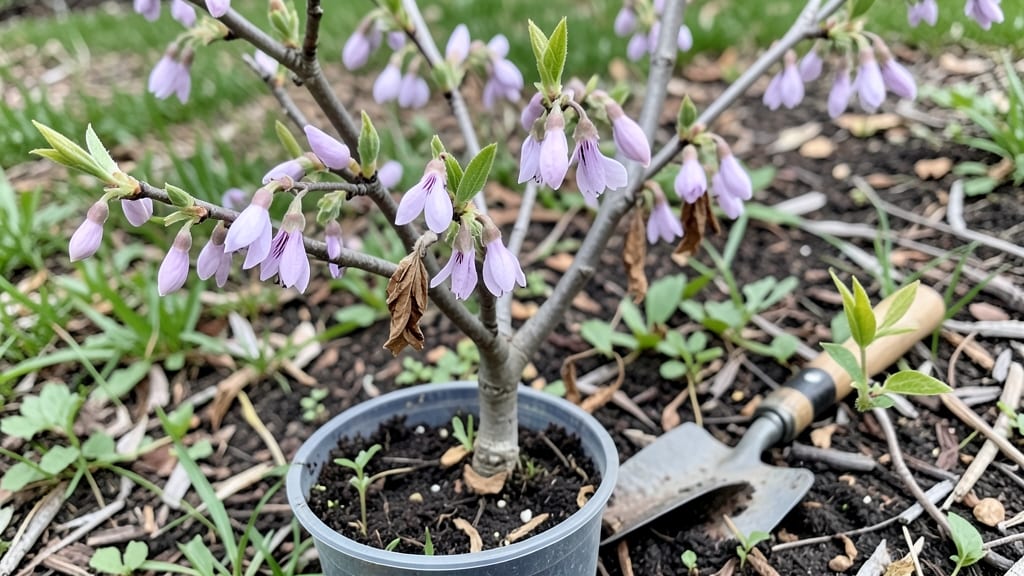
Planting a red bud tree 🌸 in the right conditions turns a bare spot into a springtime explosion of color—but get the timing or soil wrong, and you’ll waste months watching it struggle.
The vibrant red buds of Cercis canadensis signal spring’s arrival, but they won’t bloom if you plant too early or in soggy soil. In USDA Zone 6a, the ideal window is early spring (March–April), when the ground thaws but before summer’s heat sets in.
You’ll need well-draining soil and full sun to partial shade—but even the best location won’t help if you skip the right spacing or watering routine. Below, I’ll walk you through every step, from digging the hole to the 30-day care checklist that keeps roots happy.
Whether you’re dropping a sapling into the ground or replanting a container-grown tree, these tips will give your red bud the start it needs to thrive for decades.
Best time to plant red bud trees for maximum survival and growth
The red bud tree (Cercis canadensis) thrives when planted during its optimal growth window, but timing varies dramatically by climate zone. In northern regions (USDA Zones 4-6), early spring planting—after the last frost date—gives roots time to establish before summer heat.
Southern gardeners (Zones 7-9) have a wider window, including fall planting for cooler climates. Understanding your local frost dates and temperature ranges is key to avoiding transplant shock.
I’ve planted red buds in three USDA zones and learned the hard way that fall planting in Zone 5 often fails if frost hits before roots adjust. The ideal soil temperature for planting is between 50°F and 65°F—too hot or cold stresses young roots.
Below, I’ll break down the best planting seasons, regional adjustments, and how to prepare your tree for a smooth transition from container to ground.
| Planting Season | Best For | Ideal Temperature Range | Soil Prep | Transplant Shock Risk |
|---|---|---|---|---|
| Early Spring (March-April) | Zones 4-6, container-grown trees | 50°F–65°F (10°C–18°C) | Loosen soil, add compost | Low (roots establish before heat) |
| Fall (September-October) | Zones 7-9, bare-root trees | 55°F–70°F (13°C–21°C) | Aerate soil, mulch heavily | Moderate (frost risk) |
| Late Spring (May-June) | Zones 5-6 (emergency planting) | 60°F–75°F (16°C–24°C) | Deep watering, shade cloth | High (summer stress) |
For spring planting, aim to plant your red bud tree within 2–4 weeks after the last frost. Check your local frost dates—I use the National Weather Service or Old Farmer’s Almanac—and plant when nighttime temps stay above 40°F (4°C).
In Zone 5, this is typically late April to early May. If you miss spring, fall planting works in warmer zones (7+), but stop by 6 weeks before first frost to allow root growth.
Northern gardeners should avoid fall planting unless you’re in Zone 7 or warmer. The red bud’s roots need time to harden off before winter, and planting too late risks frost damage.
I once planted a red bud in Zone 5 in October, and it barely survived—mulching 4–6 inches deep helped, but growth was stunted the next spring. Bare-root trees handle fall better than container-grown ones, which dry out faster in cool weather.
Preparing your red bud tree for transplant reduces shock by 50%. Start by pruning 1/3 of the roots if the tree’s been in a container for over a year. Soak the root ball for 1–2 hours before planting to rehydrate roots.
In the hole, mix native soil with compost (ratio: 70% soil, 30% compost) to improve drainage and nutrient uptake. Never amend with fresh manure—it burns roots and causes fertilizer burn.
After planting, water deeply for 10–15 minutes to eliminate air pockets, then mulch with 2–3 inches of shredded bark. Keep the mulch 6 inches away from the trunk to prevent rot.
For the first 30 days, water every 3–4 days unless rain falls. Overwatering is worse than underwatering—red buds hate soggy roots. In Zone 6+, a drip irrigation system on a timer saves time and ensures consistent moisture.
If you’re in a drought-prone area, choose a dwarf variety like ‘Forest Pansy’, which tolerates dry spells better than standard red buds. These trees also handle urban pollution well, making them ideal for city gardens.
Just ensure your planting site gets at least 4–6 hours of sunlight—partial shade reduces flowering but won’t kill the tree. I’ve seen red buds thrive in full sun with afternoon shade
Soil and sunlight requirements for healthy red bud tree growth
The red bud tree (Cercis canadensis) thrives when planted in the right conditions—specifically, well-draining soil with a slightly acidic to neutral pH and 6+ hours of sunlight daily.
These factors directly impact its vibrant blooms and overall health. Let’s break down the exact requirements to ensure your tree grows strong and beautiful.
For soil composition, red bud trees prefer loamy soil rich in organic matter like compost or aged manure. They tolerate a pH range of 6.0 to 7.5, but avoid heavy clay or waterlogged soil, which can suffocate roots.
If your soil is too dense, amending it with sand or perlite improves drainage while retaining moisture.
Here’s a quick reference for ideal growing conditions:
<summary-table>| Requirement | Specification |
|---|---|
| Soil Type | Loamy, well-draining |
| pH Level | 6.0–7.5 (slightly acidic to neutral) |
| Sunlight Needs | Full sun (6+ hours/day) to partial shade |
| Organic Matter | 20–30% compost or aged manure |
| Drainage | Avoid waterlogged soil; amend clay with sand |
When it comes to sunlight exposure, red bud trees love full sun but can tolerate partial shade, especially in hotter climates. Plant them in a spot where they receive morning sun and afternoon shade if your area gets intense heat.
Too little light leads to pale leaves and fewer blooms, while too much shade can cause weak, leggy growth.
If your soil is too alkaline (pH above 7.5), mix in sulfur or peat moss to lower the pH gradually. For poor drainage, create a raised bed or mound the soil to prevent root rot.
Mulching with wood chips or straw helps retain moisture and regulate soil temperature, which is especially helpful in the first year after planting.
Watch for signs of chlorosis (yellowing leaves) or stunted growth, which often indicate iron deficiency or poor drainage. Adjust care by adding chelated iron or improving soil aeration. With the right conditions, your red bud tree will reward you with stunning spring blooms and lush foliage for decades.
🌿