
Companion Plants
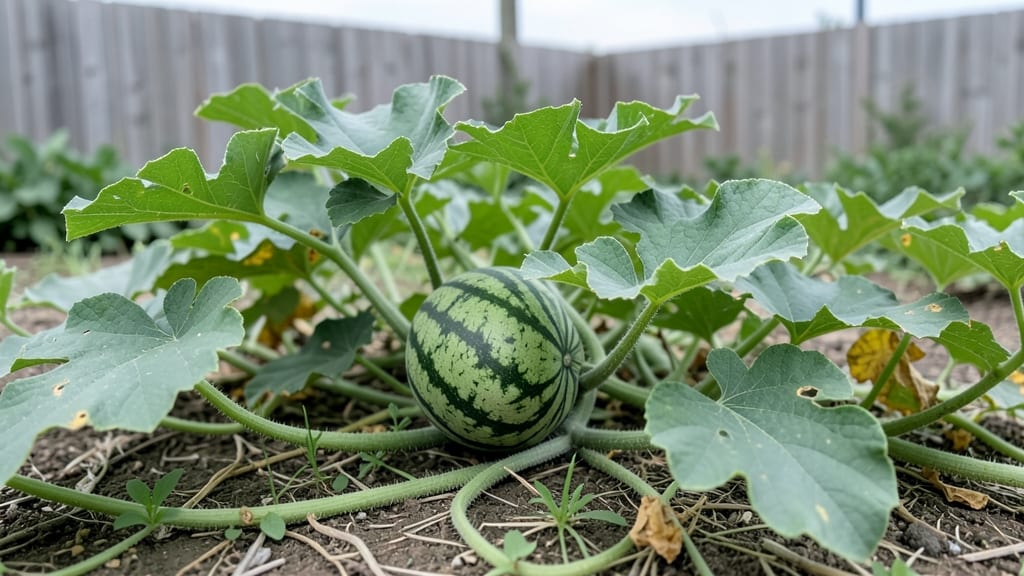
Growing Sangria watermelon plants in your garden means juicy, deep-red fruit with a flavor so rich it’ll make store-bought melons taste bland. 🌱 This variety thrives in heat and handles drought better than most, making it perfect for summer gardens where water is scarce.
The secret lies in the soil—loose, well-draining, and packed with compost—so the roots spread deep and the vines stay vigorous.
Start with healthy seedlings or seeds in late spring after the last frost, when soil temperatures hit 70°F or warmer. Plant them in hills with 3-4 feet of spacing between vines, and watch for those first tendrils climbing.
Mulch heavily to lock in moisture and keep the soil cool, which prevents blossom-end rot—a common issue with watermelons. The key is patience: these plants grow fast, but they need 85-100 days to reach harvest.
What sets Sangria apart is its bold red flesh and sweet, honey-like flavor, plus its ability to produce fruit even in dry conditions. You’ll know they’re ready when the underside of the melon turns yellow and the tendril nearest the stem dries up.
One slice is all it takes to see why this variety is a gardener’s favorite—deep color, no bland aftertaste, and a texture that’s crisp yet juicy.
For best results, pair them with drought-tolerant companions like basil or marigolds, which repel pests and improve flavor. Avoid planting near potatoes or squash, as they compete for nutrients.
With the right care, you’ll harvest 3-5 melons per vine, each weighing 10-15 pounds—enough to share with neighbors or freeze for winter. The effort pays off in bold, flavorful rewards that taste nothing like store-bought.
📚 In This Guide
- What you need
- Instructions
- Tips and common mistakes
- Wrapping up and next steps
What you need
- ● Sangria watermelon seeds or seedlings: 2–4 plants (check seed packets for spacing—typically 4–6 feet apart).
- ● Drought-tolerant companion plants: 2–3 oregano plants (perimeter placement)
- ● 1–2 rosemary bushes (3–4 feet from watermelons)
- ● 1–2 marigold plants (potted or in-ground, 1–2 feet away)
- ● 1–2 basil plants (near watermelon vines for pest control)
- ● Well-draining soil: Mix 1 part compost with 2 parts native soil (aim for pH 6.0–6.8).
- ● Organic mulch: Straw or wood chips (2–3 inches thick, spread after planting).
- ● Drip irrigation or soaker hoses: 1–2 lines (to conserve water and reduce evaporation).
- ● Garden tools: Trowel, pruners, and gloves.
- ○ Containers (optional): 5-gallon pots for companions if space is limited.
- ● Sunlight: Full sun (6+ hours daily) for watermelons; partial shade for herbs.
- ○ Fertilizer (optional but helpful): Balanced organic fertilizer (10-10-10) or compost tea.
- ○ Pest deterrents (optional): Neem oil or diatomaceous earth for early-season protection.
Step-by-Step instructions for growing Sangria watermelon plants
Here's how to cultivate these vibrant, drought-resistant varieties that deliver sweet, deep-red flesh.
🌱 Step 1: Choose the Right Variety and Planting Location
Sangria watermelons thrive in full sun—select a spot receiving at least 8 hours of direct sunlight daily. I always test the soil first with a simple moisture check: dig down 6 inches and press your finger into the soil. If it feels compacted or retains moisture for more than a few hours, amend with 2-3 inches of compost to improve drainage. These varieties are drought-tolerant, but they perform best in well-draining soil with organic matter.
Choose a location protected from strong winds, which can damage vines and fruit. If your garden has heavy clay soil, mix in 1 part perlite to 3 parts native soil to prevent root rot. The key is mimicking their natural habitat—warm, loose, and nutrient-rich.
🌱 Step 2: Prepare the Soil and Plant Seeds or Transplants
Using the 1 packet of Sangria watermelon seeds or 4 transplants, prepare the soil by creating mounds or hills spaced 4-6 feet apart. Each mound should be 12-18 inches wide and 6 inches high—this helps with drainage and prevents water from pooling around the roots. Sangria watermelons have long vines, so give them plenty of space to sprawl.
If starting from seed, plant 2-3 seeds per mound at a depth of 1 inch, covering them lightly with soil. Press gently to ensure good soil contact. If using transplants, place each one at the center of the mound, ensuring the roots are spread evenly and covered with soil. Water immediately after planting to settle the soil around the roots.
💧 Step 3: Water Deeply and Maintain Consistent Moisture
Sangria watermelons are drought-tolerant once established, but they need deep, infrequent watering during the first 4-6 weeks to encourage strong root growth. Water 1-2 inches per week, applying it directly to the base of the plant rather than overhead. Overhead watering can spread disease and lead to fungal issues, which are common in watermelon plants.
Check soil moisture by inserting your finger 2 inches deep—if it feels dry, it's time to water. Mulch around the base with 2-3 inches of straw or shredded leaves to retain moisture and suppress weeds. This is especially important in hot climates where evaporation is rapid. Avoid wetting the leaves during watering to prevent powdery mildew.
☀️ Step 4: Provide Support and Monitor Growth
As the vines grow, they’ll spread 6-10 feet, so consider using trellises or cages if space is limited. Sangria watermelons can be trained to climb, but they’ll produce better fruit if allowed to sprawl. Prune any weak or diseased vines promptly to redirect the plant’s energy toward fruit production. You’ll notice first true leaves appear in 7-10 days, followed by male and female flowers in 4-6 weeks. Female flowers have a tiny watermelon at their base.
Fertilize lightly with a balanced organic fertilizer (like 5-5-5) every 4-6 weeks after planting. Over-fertilizing leads to excessive leaf growth at the expense of fruit. Watch for yellowing leaves, which can signal overwatering or nutrient deficiency. Adjust your care based on the plant’s response—healthy vines should be deep green and sturdy.
⏰ Step 5: Harvest at Peak Ripeness
Sangria watermelons typically mature in 75-90 days, depending on your climate. Harvest when the tendril nearest the fruit turns brown and dry, and the watermelon sounds hollow when tapped. Cut the fruit from the vine with a sharp knife, leaving 1-2 inches of stem attached. This variety’s rind turns a deep red-orange, and the flesh should be bright red with a sweet, honey-like flavor.
Store harvested watermelons in a cool, dry place (around 50-55°F) for up to 2 weeks. For long-term storage, slice and freeze the flesh in airtight containers. Enjoy the bold, refreshing taste of Sangria watermelons—perfect for summer salads, smoothies, or chilled slices. The effort pays off with a harvest that’s both visually striking and delicious.
Tips & tricks for perfect Sangria watermelon plant cultivation
These drought-resistant beauties demand attention to detail—here's how to give them exactly what they need for a stellar harvest.
Soil Preparation Strategy: In Step 1, when testing soil moisture by digging down 6 inches, pay special attention to how quickly water drains. If water pools for more than 30 minutes, you'll need to add more perlite (up to 2 parts perlite to 1 part native soil) to create that ideal loose, aerated texture. I've seen heavy clay gardens transform completely with this adjustment—root health makes all the difference for drought tolerance.
Planting Depth Precision: The 1-inch planting depth for seeds in Step 2 is critical—any deeper and they'll struggle to emerge. Use a ruler or your knuckle as a guide to ensure consistent depth across all seeds. For transplants, make sure the roots aren't buried deeper than they were in their nursery pots, or you'll risk stem rot.
Watering Timing Technique: During the first 4-6 weeks in Step 3, aim for that 1-2 inch weekly watering right at soil level—not the leaves. I use a rain gauge to measure exactly 1.5 inches per week, delivered in one session rather than daily sprinkles. This deep watering encourages roots to grow downward where they'll find moisture during dry spells.
Harvesting Visual Cues: In Step 5, that brown, dry tendril is your primary indicator, but also check for a creamy yellow spot where the fruit touches the ground—this shows the watermelon has been ripening in contact with soil. The hollow sound comes from the seeds becoming fully developed, but I always cut a small slice to verify that deep red flesh before committing to harvest.
Pro Tips for Sangria Watermelon Plants
- These drought-resistant beauties demand attention to detail—here's how to give them exactly what they need for a stellar harvest.
- Soil Preparation Strategy: In Step 1, when testing soil moisture by digging down 6 inches, pay special attention to how quickly water drains.
- Planting Depth Precision: The 1-inch planting depth for seeds in Step 2 is critical—any deeper and they'll struggle to emerge.
Frequently asked questions
Got questions about growing Sangria watermelon plants with drought-tolerant companions? You’re not alone!
Here are the answers to some of the most common concerns—so you can plan with confidence and avoid pitfalls.
How close can I plant Sangria watermelons to drought-resistant companions?
Keep a 3–5 foot radius around your Sangria watermelon vines for optimal airflow and root space. Drought-tolerant plants like rosemary, lavender, or Russian sage can thrive 1–2 feet away—just avoid competing for water by spacing them strategically. Mulch helps retain moisture while keeping roots cool!
When is the best time to pair Sangria watermelons with companion plants?
Start companions 2–3 weeks after transplanting Sangria seedlings (or when soil warms to 70°F+). Early pairings help establish roots before vines sprawl. For annuals like basil or marigolds, sow seeds after the last frost—they’ll mature alongside your watermelons without crowding.
Will drought-tolerant plants steal water from my Sangria watermelons?
Not if planted wisely! Shallow-rooted companions (e.g., thyme, oregano) won’t compete, but deep-rooted plants like agave or yucca can. Monitor soil moisture—drip irrigation targeted at watermelon roots minimizes theft. Group thirsty companions together away from the vine to balance needs.
How do I keep pests away from both Sangria watermelons and their companions?
Use repellent powerhouses: Plant marigolds (deters nematodes) near watermelons and basil beside companions. Neem oil sprays work for both, and row covers shield young plants. Avoid overwatering—damp foliage attracts pests like aphids. Rotate crops yearly to break pest cycles!
What if my Sangria watermelons struggle in heat—can companions help?
Shade-tolerant companions
like swiss chard or nasturtiums can grow under watermelon vines, providing ground cover and reducing soil evaporation. Reflective mulch (e.g., white plastic) also cools roots. If vines wilt, provide afternoon shade temporarily—companions won’t replace proper watering, but they’ll ease stress!
Wrapping up and next steps
Growing sangria watermelon plants alongside drought-tolerant companions isn’t just smart—it’s a game-changer for your summer garden! 🌱 By pairing them with the right plants, you’ll enjoy juicier melons, fewer pests, and less water waste—all while keeping your garden thriving.
Whether you’re a seasoned gardener or just starting out, this combo makes summer harvesting effortless and rewarding.
Ready to put your newfound knowledge to work? Start by selecting your companion plants, prepping your soil, and planting within the next few weeks to give your sangria watermelons the best head start. Happy growing—your future slices of summer are waiting! 🍉✨