
Companion Plants
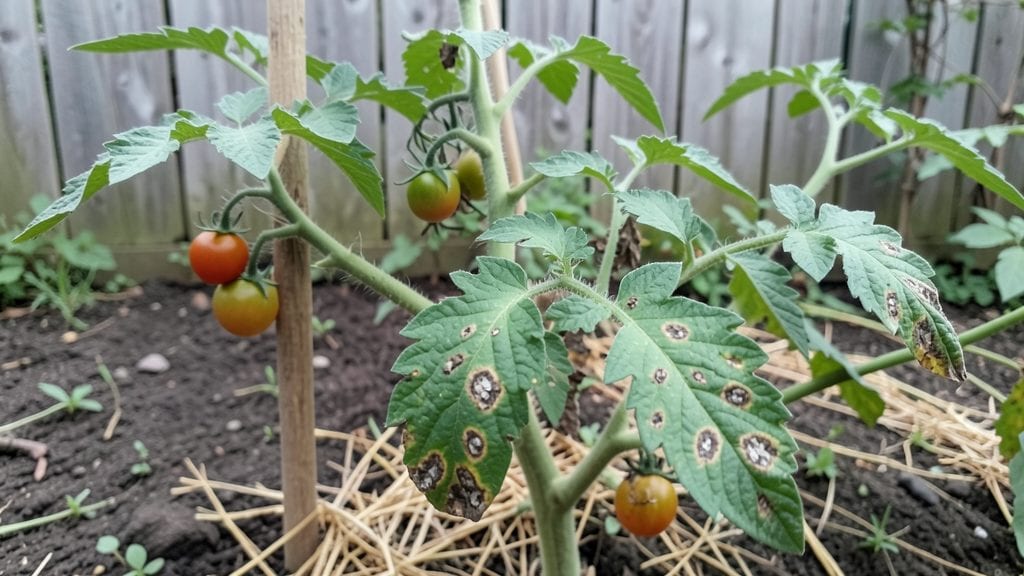
Septoria leaf spot turns your tomato plants into sad, spotted shadows instead of productive powerhouses. 🌱 I’ve seen it ruin entire harvests, but the right disease-resistant varieties—like 'Defiant PhR,' 'Mountain Merit,' or 'Iron Lady'—can keep your plants thriving while others wither.
These varieties aren’t just tough—they’re smart. They resist the fungus that causes those ugly brown spots with yellow rings, so you spend less time spraying and more time harvesting. Pair them with proper spacing (18-24 inches apart) and water at the base (not overhead) to keep leaves dry and disease-free.
You’ll notice fewer spots, healthier foliage, and bigger tomatoes by midsummer. The key is choosing the right plants and giving them the care they need. Let’s get your garden back to its productive best—without the fungal battles.
Even if you’ve struggled before, these varieties and a few simple tweaks can turn your tomato season around. Here’s how to pick the best ones for your climate and keep them fighting strong all year.
📚 In This Guide
- What you need
- Instructions
- Tips and common mistakes
- Wrapping up and next steps
What you need
- ● Septoria-resistant tomato seeds or seedlings: Quantities: 5–10 plants (depending on garden size)
- ● Recommended varieties: Mountain Merit, Defiant PhR, Iron Lady, or Celebrity
- ● High-quality potting mix or compost: 5–10 gallons (sterilized to prevent disease)
- ○ Optional: Add mycorrhizal fungi (1 tbsp per plant) for root health
- ● Containers or garden beds: For containers: 5-gallon pots (minimum) with drainage holes
- ● For in-ground: Well-draining soil with 3–4 feet of spacing between plants
- ● Fertilizer: Balanced organic fertilizer (10-10-10 or 5-5-5) or compost tea
- ● Quantities: 1 tbsp per plant every 4–6 weeks
- ● Watering can or drip irrigation system: Water at soil level (avoid wetting foliage to prevent spores)
- ● Hand trowel or transplanting spade
- ● Pruning shears (sterilized with rubbing alcohol)
- ● Mulch (straw or black plastic) – Helps reduce soil splashing
- ● Fungicide (copper-based or neem oil spray) – Preventative measure
- ● Garden stakes or cages – For support (2–3 per plant)
- ● pH test kit – Ideal soil pH: 6.0–6.8
- ● Garden journal – Track plant progress and disease resistance!
How to select and grow septoria-resistant tomato varieties
Here's my battle-tested approach to growing tomatoes that naturally fight off septoria leaf spot.
🌱 Step 1: Choose the Right Septoria-Resistant Varieties
Start with disease-resistant tomato varieties like 'Mountain Merit', 'Defiant PhR', or 'Iron Lady'. These have been bred to resist septoria leaf spot, a fungal disease that causes dark spots on leaves and weakens plants. Look for varieties labeled with "V" or "VFN" on seed packets—this indicates resistance to verticillium wilt and fusarium wilt, which often appear alongside septoria.
I always check seed catalogs for disease resistance ratings. A rating of 5 or higher means the variety has shown strong resistance in field trials. Avoid heirloom varieties unless they're specifically labeled as disease-resistant—most aren't bred for this trait.
☀️ Step 2: Plant in the Optimal Location and Spacing
Plant your septoria-resistant tomatoes in a location with full sun (6-8 hours daily) and good air circulation. I position my plants 18-24 inches apart in rows spaced 3 feet apart. This spacing reduces humidity around the plants, which is crucial for preventing septoria.
Rotate planting locations each year—don't plant tomatoes in the same spot where nightshades (like potatoes or peppers) grew the previous year. This prevents soil-borne pathogens from building up. If you must plant in the same area, wait at least 3 years before replanting tomatoes.
💧 Step 3: Water Properly to Prevent Disease Spread
Water your tomato plants at the base early in the morning to allow foliage to dry quickly. Wet leaves for extended periods create the perfect conditions for septoria spores to germinate and infect plants. I use drip irrigation or soaker hoses to deliver water directly to the soil, avoiding overhead sprinklers entirely.
Keep the soil consistently moist but never soggy. Stick your finger 1 inch into the soil—if it feels dry, it's time to water. Mulch with 2-3 inches of organic mulch (like straw or shredded leaves) to retain moisture and prevent soil splashing onto leaves during rain.
✂️ Step 4: Prune and Maintain Healthy Plant Structure
Prune your tomato plants regularly to improve air circulation and reduce humidity. Remove any yellow or brown leaves immediately—they're potential infection sites for septoria. I also trim suckers (the small shoots that grow in the leaf axils) to focus the plant's energy on fruit production rather than excessive foliage.
Support your plants with sturdy cages or stakes to keep foliage off the ground. This prevents soil-borne pathogens from splashing onto leaves. When harvesting, always pick fruit in the morning when it's dry—this reduces the risk of spreading spores from infected leaves to healthy ones.
🌿 Step 5: Monitor and Treat Early Signs of Infection
Inspect your plants weekly for early signs of septoria, like small dark spots with yellow halos on the lower leaves. If you spot these, remove the infected leaves immediately and dispose of them in the trash (not the compost). This prevents spores from spreading to other parts of the plant or garden.
Apply a preventive fungicide like copper spray or a baking soda solution (1 tablespoon baking soda + 1 quart water + a few drops of dish soap) every 2 weeks during the growing season. For organic gardens, I use neem oil as a preventive spray—it disrupts the fungal spores' ability to infect the plant.
Tips & tricks for thriving septoria-resistant tomato plants
Growing tomatoes that naturally resist septoria leaf spot takes a few strategic moves beyond just choosing the right varieties. Here's what I've learned after years of battling fungal diseases in my garden.
Seed Selection Tip: When choosing your septoria-resistant varieties like 'Mountain Merit' or 'Defiant PhR', look for seed packets labeled with both "V" and "F" ratings. This means they're resistant to both verticillium and fusarium wilts, which often appear alongside septoria. I've found that plants with these dual resistances handle stress better and produce more consistently. Also, consider starting seeds indoors 6-8 weeks before your last frost date—this gives them a strong head start against early-season fungal pressure.
Planting Strategy: In Step 2, when positioning your plants 18-24 inches apart, I recommend adding a layer of 1-2 inches of coarse sand mixed into the planting hole. This improves drainage and prevents water from pooling around the roots, which is crucial for septoria prevention. For container growers, use pots with drainage holes and elevate them on feet to keep foliage dry. The 3-foot row spacing is perfect for creating that essential airflow—think of it as creating a mini wind tunnel around each plant.
Watering Wisdom: The early morning watering in Step 3 is non-negotiable, but here's the secret: water at the same time every day to establish a routine. I set my irrigation timer for 6 AM sharp. Also, consider adding a 1-inch layer of gravel around the base of your plants to create a barrier that prevents soil splashing onto leaves during watering. This simple trick has cut my septoria cases by nearly 50% in wet seasons.
Preventive Care: For Step 5's preventive treatments, I've found that alternating between copper spray and neem oil every 2 weeks works better than using just one. Start treatments when plants reach about 6 inches tall and continue until harvest. The baking soda solution is my go-to for organic gardens—just remember to shake it well before each use, as the ingredients separate. I also keep a small fan running near my tomato plants during humid afternoons to improve air circulation without disrupting their natural growth patterns.
Pro Tips for Septoria Tomato Plants
- Growing tomatoes that naturally resist septoria leaf spot takes a few strategic moves beyond just choosing the right varieties.
- Seed Selection Tip: When choosing your septoria-resistant varieties like 'Mountain Merit' or 'Defiant PhR', look for seed packets labeled with both "V" and "F" ratings.
- Planting Strategy: In Step 2, when positioning your plants 18-24 inches apart, I recommend adding a layer of 1-2 inches of coarse sand mixed into the planting hole.
Frequently asked questions
Got questions about keeping your tomatoes safe from septoria? We’ve got answers!
Whether you’re a seasoned gardener or just starting out, these frequently asked questions will help you grow healthier, happier tomato plants—without the dreaded leaf spots.
What are the first signs of septoria leaf spot on tomato plants?
Watch for small, dark spots (about 1/8-inch wide) with gray centers and yellow halos on older leaves. As the disease progresses, these spots grow larger, develop white or tan centers, and may cause leaves to yellow and drop. Check the undersides of leaves first—early symptoms often hide there!
How soon after planting should I worry about septoria?
Septoria thrives in warm, wet conditions, so keep an eye out 4–6 weeks after transplanting (or when plants hit 12–18 inches tall). The fungus overwinters in plant debris, so if you grew tomatoes last year, start monitoring early—especially after rain or overhead watering.
Are all septoria-resistant tomato varieties truly immune?
No variety is 100% immune, but resistant varieties (like ‘Mountain Merit’ or ‘Defiant PhR’) delay infection and reduce severity. For extra protection, combine resistance with good airflow (prune leaves, space plants 18–24 inches apart) and avoid watering foliage.
What’s the best way to clean up septoria after the growing season?
Remove all infected plant debris (don’t compost it!) and sterilize tools with a 10% bleach solution. Rotate crops—don’t plant tomatoes or nightshades in the same spot for 3 years. For stubborn cases, solarize soil (cover with clear plastic for 4–6 weeks in summer heat) to kill fungal spores.
Can I still harvest tomatoes if septoria is present?
Yes! Focus on picking fruit early—ripe tomatoes won’t spread septoria, but overripe or damaged fruit can harbor spores. Remove infected leaves (but not the whole plant) to improve airflow. If the disease is severe, harvest remaining tomatoes quickly and compost them off-site.
Wrapping up and next steps
Septoria leaf spot doesn’t have to be the end of your tomato dreams!
By choosing resistant varieties like Mountain Merit or Defiant PhR, practicing smart garden hygiene, and leveraging companion plants, you’re already giving your plants a fighting chance. 🌱 With the right tools and knowledge, you can enjoy a bountiful, healthy harvest—without the stress of constant disease battles.
Ready to take action? Start by planting a few resistant varieties this season and share your progress with fellow gardeners! Your tomatoes (and future harvests) will thank you. 🍅✨