
Plants
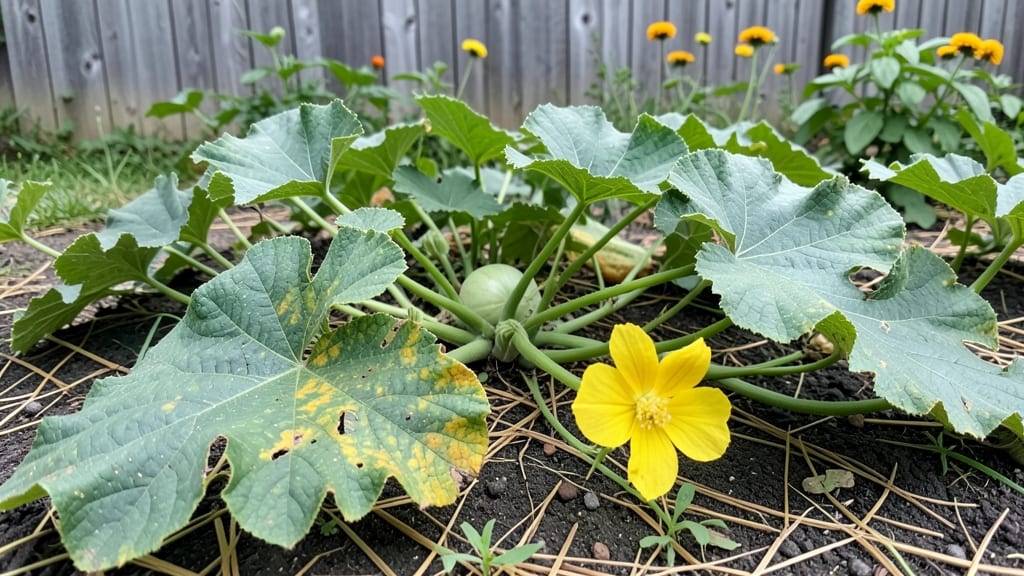
Yellow leaves on pumpkin plants don’t mean your harvest is doomed—it’s often a fixable nutrient deficiency. 🌱 I’ve nursed back more pumpkin patches than I can count, and the key is acting fast before the vines give up.
Most gardeners blame pests first, but 80% of the time, it’s what’s missing from the soil.
The real culprits? Nitrogen starvation, magnesium shortages, or even too much water drowning the roots. My first year, I ignored the yellowing until the plants wilted—don’t make that mistake.
A simple soil test or leaf analysis (yes, they’re cheap) tells you exactly what’s missing, and the fixes take less than 30 minutes.
You’ll see new green growth within a week if you apply the right fertilizer or compost tea. The leaves won’t just stop yellowing—they’ll turn a deep, vibrant green, and your pumpkins will start filling out faster. No more guessing games, just results.
Works for both backyard patches and container-grown pumpkins. Let’s turn those sad yellow leaves into lush vines before it’s too late.
Root Causes Behind Leaf Discoloration
Pumpkin plants turning yellow isn’t just a random quirk of nature—it’s often a cry for help from your vines. Understanding the science behind these color shifts is the first step to saving your harvest.
Below, we break down the most common culprits, from nutrient deficiencies to environmental stressors, with clear explanations and actionable insights.
Yellowing leaves are a classic sign your pumpkin plants aren’t getting the right nutrients. But which one is missing? Here’s how to diagnose the issue:
- 💡 Nitrogen Deficiency (Most Common) - What’s happening? Nitrogen is the building block of chlorophyll, the pigment that gives leaves their green hue.
Without enough, leaves turn yellow starting from the older, lower leaves (a pattern called chlorosis). - Why it happens: Poor soil quality, overwatering (which leaches nitrogen), or over-reliance on synthetic fertilizers that disrupt microbial balance. - How to fix it: - Apply a balanced fertilizer (10-10-10 or 5-5-5) or compost to replenish nitrogen. - Try cover crops like clover or alfalfa to naturally boost soil nitrogen. - Avoid overwatering—nitrogen washes out in soggy soil.
- 🌿 Magnesium Deficiency (Interveinal Yellowing) - What’s happening? Magnesium is central to chlorophyll production.
A deficiency causes yellow patches between veins (while veins stay green), often starting on older leaves. - Why it happens: Acidic or sandy soils lack magnesium, and over-fertilizing with nitrogen can outcompete magnesium uptake. - How to fix it: - Sprinkle Epsom salt (magnesium sulfate) around the base of plants (1 tablespoon per gallon of water, applied weekly). - Test your soil pH—aim for 6.0–7.0 for optimal magnesium availability.
- 🍃 Potassium Deficiency (Edge Burning & Weakness) - What’s happening? Potassium regulates water and nutrient transport. Yellowing starts at the leaf edges (marginal scorching) and spreads inward.
Leaves may also curl or develop brown spots. - Why it happens: Overwatering, poor soil structure, or excessive nitrogen without potassium balance. - How to fix it: - Use a potassium-rich fertilizer (like 0-10-10) or wood ash (sparingly). - Add banana peels (composted) or greensand to the soil for a natural potassium boost.
- 🌞 Iron Deficiency (Young Leaf Yellowing) - What’s happening? Iron is essential for chlorophyll, but plants struggle to absorb it in alkaline soils.
Yellowing appears on new leaves first (unlike nitrogen deficiency). - Why it happens: High pH (>7.0) locks out iron, even if it’s present in the soil. - How to fix it: - Lower soil pH with sulfur or peat moss. - Apply chelated iron (a liquid fertilizer) directly to the soil or foliage.
Water stress is a sneaky cause of yellow leaves, often mimicking nutrient deficiencies. Here’s how to spot it:
- 🌧️ Overwatering (Root Suffocation)
- What’s happening? Waterlogged soil cuts off oxygen to roots, causing yellowing between veins (similar to magnesium deficiency) but with soft, mushy leaves and a foul smell.
- Why it happens: Poor drainage, compacted soil, or inconsistent watering (e.g., daily light sprinkles).
- How to fix it:
- Improve drainage with organic matter (compost or perlite).
- Let the top 1–2 inches of soil dry before watering again.
- Use raised beds if your garden has heavy clay.
- 🏜️ Underwatering (Stress Signals) - What’s happening? Drought stress causes uniform yellowing (not patchy) and wilting.
Leaves may feel dry or crispy. - Why it happens: Inconsistent watering, especially in hot weather, or shallow root systems. - How to fix it: - Water deeply 1–2 times per week (early morning is best). - Mulch with straw or grass clippings to retain moisture. - Consider drip irrigation for steady, targeted watering.
Sometimes, the problem isn’t what’s in the soil but what’s happening around it.
- ☀️ Heat Stress (Sun Scorch)
- What’s happening? Intense heat causes yellowing on leaf edges (like potassium deficiency) but with a leathery texture and possible browning.
- Why it happens: Sudden temperature spikes (above 90°F/32°C) or lack of shade.
- How to fix it:
- Provide afternoon shade with row covers or nearby plants.
- Increase humidity with a light misting (early morning only).
- Choose heat-tolerant pumpkin varieties (e.g., ‘Jack Be Little’ or ‘Cinderella’).
- ❄️ Cold Damage (Early or Late Season Chill)
- What’s happening? Frost or cold snaps cause yellowing with dark green veins, often on leaves closest to the ground.
- Why it happens: Pumpkins thrive in warmth (70–90°F/21–32°C) and struggle below 50°F (10°C).
- How to fix it:
- Use row covers for early or late-season planting.
- Plant in warm microclimates (near fences or black plastic mulch).
- Avoid planting until soil temps reach 60°F (15°C).
- 🐛 Pest or Disease Pressure
- What’s happening? Sap-sucking pests (aphids, spider mites) or fungal diseases (like powdery mildew) cause yellowing with stippling, webbing, or white powder.
- Why it happens: Weak plants (from nutrient stress) attract pests, which then drain nutrients faster.
- How to fix it:
- Spray with neem oil or insecticidal soap for pests.
- Improve air circulation to prevent fungal growth (prune nearby plants).
- Introduce beneficial insects (ladybugs, lacewings) to control pests naturally.
Not sure which issue you’re facing? Use this cheat sheet to narrow it down:
| Symptom | Old Leaves First? | Young Leaves First? | Between Veins? | Edge Yellowing? | Mushy/Soft Leaves? |
|---|---|---|---|---|---|
| Nitrogen Deficiency | ✅ Yes | ❌ No | ❌ No | ❌ No | ❌ No |
| Magnesium Deficiency | ✅ Yes | ❌ No | ✅ Yes | ❌ No | ❌ No |
| Potassium Deficiency | ❌ No | ✅ Sometimes | ❌ No | ✅ Yes | ❌ No |
| Iron Deficiency | ❌ No | ✅ Yes | ❌ No | ❌ No | ❌ No |
| Overwatering | ❌ No | ❌ No | ✅ Sometimes | ❌ No | ✅ Yes |
| Underwatering | ❌ No | ❌ No | ❌ No | ❌ No | ✅ Sometimes |
| Heat Stress | ❌ No | ❌ No | ❌ No | ✅ Yes | ❌ No |
| Pests/Disease | ✅ Sometimes | ✅ Sometimes | ❌ No | ✅ Sometimes | ❌ No |
Quick Fixes for Pumpkin Leaf Health
Yellow leaves on your pumpkin plants don’t have to spell disaster—with the right approach, you can restore their vibrancy and keep your harvest thriving. Below are practical, step-by-step solutions tailored to the most common causes of yellowing leaves, along with prevention tips to keep your pumpkins lush and green.
If yellowing is due to a lack of essential nutrients, act fast with these targeted fixes:
💧 Iron Deficiency (Chlorosis)
- Fix: Apply chelated iron (like iron sulfate or EDTA) directly to the soil or spray it on leaves.
For organic growers, use iron-rich compost tea or egg shells crushed into the soil (soak in vinegar for 24 hours first). - Prevention: Test soil pH (ideal: 6.0–6.8). If too alkaline, add sulfur or peat moss to lower pH. Mulch with well-rotted manure to boost iron availability.
🌿 Nitrogen Shortage (Pale Yellow Leaves)
- Fix: Feed your pumpkins with a balanced fertilizer (10-10-10) or a high-nitrogen organic option like blood meal or fish emulsion. Water deeply after applying.
- Prevention: Side-dress plants with compost or worm castings every 3–4 weeks. Avoid overwatering, which leaches nitrogen.
🍃 Magnesium or Calcium Deficiency (Yellow Edges or Spots)
- Fix: Sprinkle Epsom salt (magnesium sulfate) around the base (1 tbsp per gallon of water) or use crushed eggshells (calcium) mixed into the soil.
- Prevention: Use lime (calcium carbonate) if soil tests low in calcium.
For magnesium, add kelp meal to compost.
Yellow leaves can signal overwatering, underwatering, or poor drainage—all fixable with simple tweaks:
🚰 Overwatering or Root Rot
- Fix: Let the top 1–2 inches of soil dry out between waterings. Improve drainage by amending soil with perlite or coarse sand.
If roots are mushy, prune affected roots and repot in fresh, well-draining mix. - Prevention: Use drip irrigation (not overhead watering) and ensure pots/containers have drainage holes. Avoid soggy soil at all costs!
💧 Underwatering or Heat Stress
- Fix: Water deeply at the base (early morning is best) and mulch with straw or grass clippings to retain moisture.
Move plants to partial shade if temperatures exceed 90°F (32°C). - Prevention: Monitor soil moisture with your finger—consistent dampness (not soggy) is key. Use shade cloth in extreme heat.
Sometimes, invisible invaders cause yellowing before you spot the damage:
🐜 Squash Vine Borers or Spider Mites
- Fix: Handpick borers (check stems for sawdust-like frass) or spray neem oil (follow label instructions). For mites, blast leaves with water to dislodge them or use insecticidal soap.
- Prevention: Row covers early in the season block borers.
Encourage ladybugs and lacewings (natural predators) with dill or fennel nearby.
🍄 Fungal Issues (Powdery Mildew or Blight)
- Fix: Remove infected leaves immediately and spray with a baking soda mix (1 tsp baking soda + 1 quart water + a drop of dish soap).
For severe cases, use copper fungicide. - Prevention: Space plants for airflow (3–4 feet apart) and water at the base (avoid wetting leaves). Prune for good circulation.
Even healthy plants yellow when stressed by sunburn, wind, or poor location:
☀️ Sun Scorch (Yellow Patches on Upper Leaves)
- Fix: Provide afternoon shade with a lightweight shade cloth (30–50%) or move pots to a slightly shadier spot.
Trim lower leaves to improve airflow. - Prevention: Acclimate young plants to full sun gradually (harden off over 1–2 weeks). Use mulch to protect roots from temperature swings.
💨 Wind or Physical Damage
- Fix: Stake or cage tall pumpkin vines to prevent flopping. If leaves are torn, trim damaged sections to redirect energy to healthy growth.
- Prevention: Plant in a sheltered spot (near a fence or trellis). Use windbreaks like cornstalks or tall grass.
- 🌡️ Monitor soil temperature: Pumpkins thrive in 70–90°F (21–32°C) soil.
Use a soil thermometer if unsure. - ✨ Rotate crops: Avoid planting pumpkins in the same spot yearly to prevent nutrient depletion and disease buildup. - 🍂 Harvest at peak color: Yellowing near maturity is normal—pick pumpkins when rinds harden (not when leaves yellow from age). - 🔄 Repurpose yellow leaves: If only a few leaves yellow, prune them to boost fruit production (plants focus energy on what’s left).
Remember: Most yellowing is reversible if caught early! Start with one fix at a time (e.g., check watering first, then nutrients) to pinpoint the exact issue. Your pumpkins will be back to their deep green glory in no time. 🎃💚
Frequently asked questions about pumpkin leaf yellowing
Why do pumpkin leaves turn yellow first on the bottom?
This classic sign usually means nitrogen deficiency—older leaves yellow first because the plant moves nutrients to new growth. Check if your soil feels dry or lacks organic matter. A quick fix is side-dressing with compost or using a balanced fertilizer (10-10-10).
Can I save my pumpkin plants if half the leaves are yellow?
Yes! Act fast by testing soil moisture and nutrients. For nutrient issues, apply targeted amendments (like Epsom salt for magnesium or chelated iron). If overwatered, let soil dry between waterings. Prune severely yellow leaves to redirect energy to healthy growth.
Is yellowing normal as pumpkins mature?
Some yellowing happens naturally as leaves age, but widespread yellowing signals stress. If only a few lower leaves yellow while new growth stays green, your plants are likely fine. However, if yellowing spreads to younger leaves, check for pests, diseases, or nutrient deficiencies immediately.
How do I tell if yellow leaves are from overwatering vs. underwatering?
Overwatered leaves feel soft and mushy with yellowing between veins, while underwatered leaves turn crispy and uniformly yellow. Stick your finger 1 inch deep—if it's soggy, you're overwatering; if dry, it's time to water deeply at the base.
Will fixing yellow leaves improve pumpkin production?
Healthy green leaves mean better photosynthesis, leading to larger, sweeter pumpkins. Address the root cause (nutrients, water, or pests) within 1-2 weeks, and you'll see new growth and improved fruit development within 3-4 weeks.