
Companion Plants
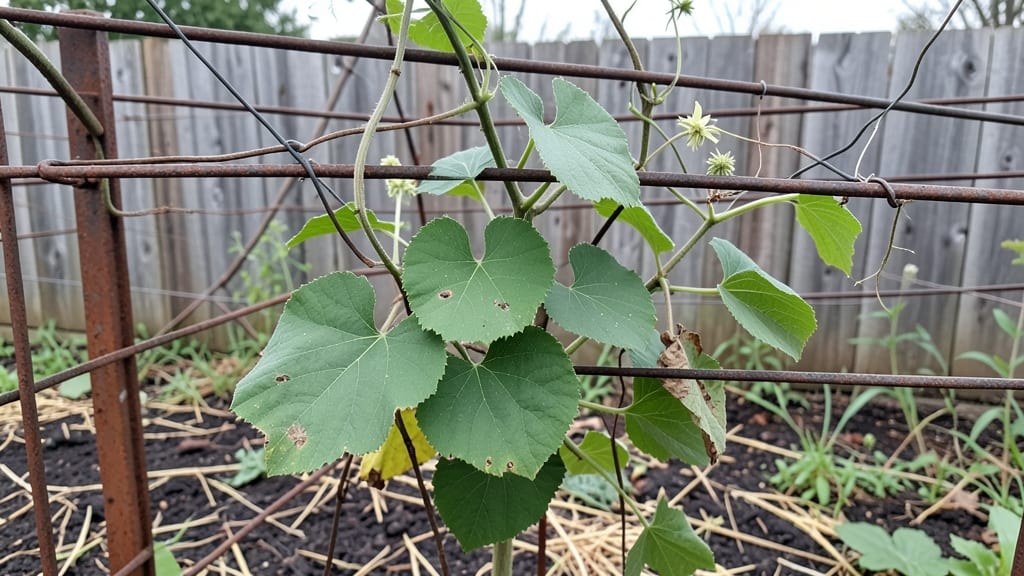
Growing Siberian kiwi plants has been my secret weapon for cold-climate fruit harvesting—these hardy vines produce sweet, grape-sized kiwis even when temperatures dip below zero. 🌱 The first time I tasted one fresh off the vine in November, I knew I’d never buy store-bought kiwis again.
They thrive where traditional kiwis would freeze, and the care routine is simpler than you’d expect.
You’ll need a sturdy trellis or fence (6–8 feet tall) since these vines grow aggressively, plus well-draining soil with a pH between 5.5 and 7.0. Plant in full sun, and choose a spot where the vine can climb vertically—this saves space and makes harvesting easier.
Male and female plants are needed for pollination, but the vines are self-fertile if you plant both varieties close together.
By late summer, you’ll be picking fruit that’s sweeter and more aromatic than anything from the grocery store. The vines handle frost better than most fruit plants, and with proper pruning, they’ll keep producing for decades.
The only catch? Patience—it takes 2–3 years before you see your first harvest, but the wait is worth it.
Between you and me, the biggest mistake I see is over-pruning young vines. Let them establish their own structure first, and focus on removing only dead or crossing branches.
With the right setup, these vines will reward you with harvests from July through October, even in Zone 3 climates where most fruit plants struggle.
📚 In This Guide
- What you need
- Instructions
- Tips and common mistakes
- Wrapping up and next steps
What you need
- ● Siberian kiwi plants: 1 male and 1 female (or 2+ females if self-pollinating varieties like ‘Issai’ are used). Choose healthy, disease-free nursery stock.
- ● Well-draining soil: A mix of 60% loamy soil, 20% compost, and 20% perlite/sand (pH 5.5–6.5). Test soil pH with a kit.
- ● Fertilizer: Balanced 10-10-10 fertilizer (spring/fall) for establishment.
- ● High-potassium 5-10-10 fertilizer (early summer) to boost fruiting.
- ● Mulch: 2–3 inches of organic mulch (straw, wood chips, or shredded leaves) to retain moisture and insulate roots.
- ● Garden tools: Trowel, pruning shears (sterilized), and loppers (for mature vines).
- ● Trellis or support: A 10–15-foot sturdy trellis, arbor, or fence (Siberian kiwis climb aggressively!).
- ● Drip irrigation or hose: For consistent moisture (1–1.5 inches/week).
- ○ Row cover or frost cloth (optional): For young plants in Zone 4 or colder during late spring/early fall.
- ● Climate: Zones 3–8 (full sun to partial shade; tolerates light shade in hot climates).
- ● Space: 6–10 feet of horizontal space for vines and 8+ feet vertical support.
- ● Patience: Vines take 2–3 years to establish and 3–5 years to bear fruit!
Step-by-Step instructions for planting Siberian kiwi vines
Here's the straightforward approach I've used to grow thriving Siberian kiwi plants in cold climates.
🌱 Step 1: Choose the Right Location and Prepare the Soil
Siberian kiwi thrives in full sun to partial shade, needing at least 6 hours of sunlight daily. Pick a spot with afternoon shade if you live in a hotter region—those large leaves burn easily. I always test my soil first; Siberian kiwi prefers slightly acidic to neutral soil with a pH between 5.0 and 7.0.
Loosen the soil to a depth of 12 inches using a garden fork or tiller. Mix in 2-3 inches of compost to improve drainage and fertility. These vines have vigorous roots, so avoid heavy clay unless you amend it thoroughly. If your soil drains poorly, create a raised bed or mound to prevent root rot.
🪴 Step 2: Plant Your Siberian Kiwi Vine Correctly
Plant your Siberian kiwi vine in early spring after the last frost, when the soil is workable but not soggy. Dig a hole twice as wide as the root ball but no deeper. Gently remove the plant from its container and loosen any circling roots with your fingers.
Position the vine so the top of the root ball sits 1 inch below the soil surface. This prevents the stem from rotting while allowing roots to establish quickly. Backfill with native soil, tamping lightly to remove air pockets. Water deeply right after planting to settle the soil and encourage root contact.
☀️ Step 3: Provide Support and Watering Routine
Siberian kiwi vines need strong support from day one. Install a 6-8 foot tall trellis or arbor near your planting site and tie the main stem loosely to the support with soft plant ties. As the vine grows, you'll need to train it to climb by weaving new growth through the trellis framework.
Water deeply once a week during the first growing season, providing 1-2 inches of water per week. Let the top 2-3 inches of soil dry out between waterings—these vines hate soggy roots. Mulch around the base with 2-3 inches of organic mulch to retain moisture and regulate soil temperature.
🌿 Step 4: Prune and Fertilize for Healthy Growth
Prune your Siberian kiwi vine in early spring before new growth begins. Remove any dead, damaged, or crossing branches, cutting back to a healthy bud or lateral stem. Thin out crowded growth to improve air circulation and fruit production. I always leave 3-5 main stems for optimal structure and yield.
Fertilize in early spring with a balanced, slow-release fertilizer (10-10-10 ratio). Apply according to package instructions, typically ¼ cup per plant. Avoid high-nitrogen fertilizers, which encourage leafy growth at the expense of fruit. Feed again in early summer if new growth appears weak or yellow.
⏰ Step 5: Protect and Harvest Your Fruit
Siberian kiwi produces edible fruit that ripens in late summer to fall. The vines are cold-hardy, but young plants may need winter protection in extremely cold climates. Wrap the base of the vine with burlap or frost cloth in late fall to prevent freeze damage.
Harvest when the fruit turns a deep purple color and feels slightly soft when gently squeezed. The fruit doesn't fall easily, so I always pick by hand. You'll get 4-6 fruits per vine at maturity, and each fruit contains 300-500 seeds—perfect for propagation or sharing with fellow gardeners.
Tips & tricks for planting Siberian kiwi vines
These practical tips will help you avoid common pitfalls and maximize your Siberian kiwi vine's potential for a bountiful harvest.
The Sunlight Factor: While Siberian kiwi needs at least 6 hours of sunlight daily, I've found that morning sun with afternoon shade works best in hotter climates. The large leaves can scorch easily, so if you notice yellowing or crispy edges, it's time to provide that afternoon shade. Position your trellis to allow flexibility for adjusting the vine's exposure as the season progresses.
Soil Preparation Secret: Don't skip the soil test! Siberian kiwi prefers a pH between 5.0 and 7.0, but many garden soils run acidic. If your test shows pH below 5.0, amend with lime before planting. For clay soils, I recommend creating a raised bed—this improves drainage dramatically and prevents root rot, which is the number one killer of these vines.
Planting Depth Matters: That 1-inch below soil surface guideline in Step 2 is critical. Planting too deep can cause stem rot, while planting too shallow exposes roots to temperature fluctuations. I always make a small mound of soil to create that perfect planting depth, then water thoroughly to settle everything. This small detail makes a huge difference in establishment.
Support System Strategy: Install your 6-8 foot trellis or arbor at planting time—don't wait! These vines grow aggressively and need immediate support. I use flexible plant ties to secure the main stem, then weave new growth through the trellis framework as it emerges. This prevents the vine from becoming top-heavy and ensures proper air circulation, which is crucial for disease prevention.
Pro Tips for Siberian Kiwi Plants
- These practical tips will help you avoid common pitfalls and maximize your Siberian kiwi vine's potential for a bountiful harvest.
- The Sunlight Factor: While Siberian kiwi needs at least 6 hours of sunlight daily, I've found that morning sun with afternoon shade works best in hotter climates.
- Soil Preparation Secret: Don't skip the soil test!
Frequently asked questions
Got questions about growing Siberian kiwi plants? You’re not alone!
Here are answers to the most common queries—from planting tips to troubleshooting—so you can cultivate these hardy vines with confidence.
Can Siberian kiwi plants survive winter in my climate?
Siberian kiwi (Actinidia arguta) thrives in USDA Zones 3–8, making it one of the most cold-hardy kiwi varieties. Unlike tropical kiwis, these vines tolerate temperatures down to -25°F (-32°C) and even recover from dieback in harsh winters. Just mulch heavily in fall for extra protection.
How long does it take for Siberian kiwi plants to bear fruit?
Patience is key! With proper care, Siberian kiwi vines typically produce fruit 2–3 years after planting. For faster results, choose established plants (1–2 years old) and ensure they have male and female vines nearby—kiwis are self-unfruitful. A sturdy trellis also speeds up growth by encouraging vertical climbing.
Why aren’t my Siberian kiwi leaves turning green?
Yellow or pale leaves often signal nutrient deficiencies (like nitrogen or magnesium) or poor drainage. Test your soil and amend with compost if needed. Overwatering can also cause yellowing—ensure soil is moist but not soggy. For a quick fix, fertilize with a balanced 10-10-10 formula in early spring.
Are Siberian kiwi plants invasive or aggressive?
Not at all! While they’re vigorous growers, Siberian kiwi vines are non-invasive and stay contained with pruning. Their roots don’t spread aggressively like mint or bamboo. However, they do need space—plant them 6–10 feet apart on a trellis to prevent overcrowding and improve airflow.
Can I eat Siberian kiwi fruit raw, or do I need to cook it?
Good news: Siberian kiwis are edible raw! Unlike their fuzzy cousins, these small, sweet kiwis (often called "hardy kiwis") have smooth, thin skins and a flavor similar to a mix of strawberry and banana. They’re perfect for snacking, salads, or blending into smoothies. Pro tip: Pick fruit when it’s soft to the touch but still firm.
Wrapping up and next steps
Growing Siberian kiwi plants is a rewarding way to enjoy fresh, cold-hardy fruit even in chilly climates! These resilient vines thrive with minimal fuss, offering year-round harvests and stunning foliage. Whether you're a seasoned gardener or a beginner, their adaptability makes them a fantastic addition to your garden.
Ready to get started? Plant your Siberian kiwi vines this season—your taste buds (and neighbors!) will thank you. 🌱✨ Happy growing!