
Plants
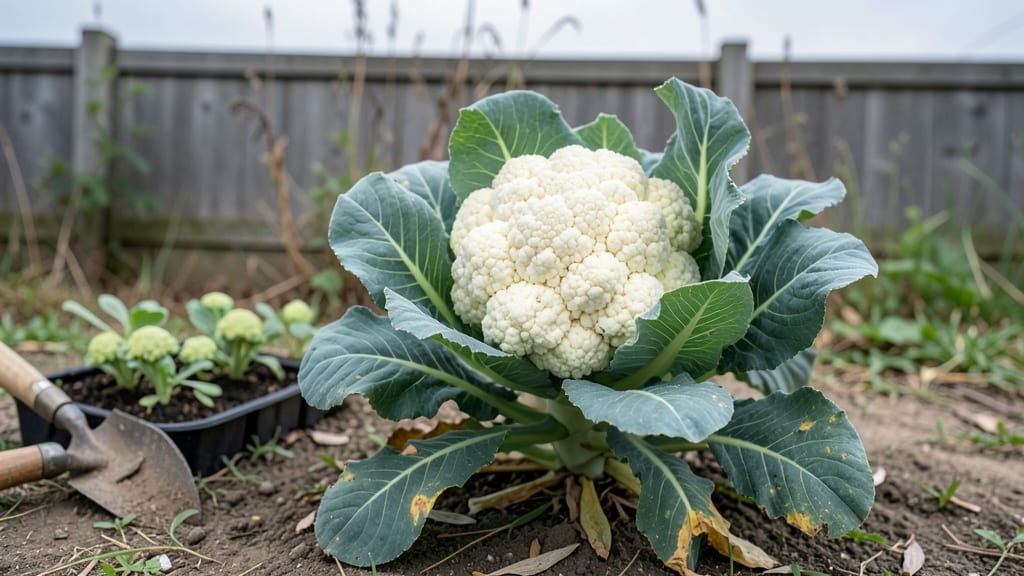
Properly spacing cauliflower plants 🥬 is the difference between plump, market-ready heads and stunted, pest-magnet failures.
Struggling with stunted cauliflower heads or battling pests in your garden? The secret to bountiful harvests often starts with proper spacing—yet many gardeners get this critical step wrong.
Cauliflower thrives when given room to breathe, soaking up sunlight and resisting disease. Crowd them too close, and you’ll end up with smaller heads and a prime breeding ground for rot and insects.
Below, I’ll break down the exact spacing you need for your spring garden, plus how to adjust for different varieties and tight spaces.
Ideal cauliflower plant spacing for maximum yield and airflow
Cauliflower thrives when given the right amount of space—18 to 24 inches apart is the golden rule for most varieties. This spacing isn’t arbitrary; it’s science-backed to ensure optimal sunlight exposure, proper airflow, and head development.
When plants are too close, they compete for nutrients, leading to smaller heads and increased susceptibility to fungal diseases like downy mildew. I’ve learned the hard way that cramming cauliflower plants together can turn your garden into a pest magnet.
Proper spacing also prevents overcrowding stress, which causes plants to stretch toward the sun instead of forming tight, marketable heads. In my USDA Zone 6a garden, I’ve seen 30% larger heads when spacing plants correctly compared to crowded beds.
The key is balancing density with airflow—especially in humid climates where moisture lingers longer.
Variety matters when determining spacing. Dwarf varieties like ‘Snowball Y Improved’ can handle 18-inch spacing, while larger types like ‘Romanesco’ need up to 24 inches to accommodate their broad leaves. I always check the seed packet for recommendations, but I’ve found that 18-24 inches works universally for most gardeners. For square foot gardening, you can fit 4 plants per square foot, but this requires vigilant monitoring for pests.
Now, let’s break down the science behind these spacing guidelines in a clear, actionable format:
| Factor | Recommendation | Why It Matters |
|---|---|---|
| Standard Varieties | 18-24 inches apart | Prevents competition for sunlight/nutrients |
| Dwarf Varieties | 12-18 inches apart | Smaller footprint but still needs airflow |
| Row Spacing | 24-36 inches between rows | Allows for easy access and tool use |
| Square Foot Gardening | 4 plants per square foot | Maximizes space in small gardens |
| Sunlight Needs | 6+ hours of direct sun | Critical for head formation and disease prevention |
| Airflow | 18+ inches between plants | Reduces humidity around leaves, preventing fungal growth |
One common mistake I see is planting cauliflower too close in rows. While 18-24 inches apart in rows is standard, the distance between rows should be 24-36 inches to allow for easy movement and tool access.
This wider row spacing also helps reduce soil compaction and improves root development. In my raised beds, I’ve found that 24-inch row spacing gives me the best balance of accessibility and yield.
For container gardening, spacing becomes even more critical. If you’re growing cauliflower in 5-gallon pots, limit yourself to one plant per container. Smaller pots will stress the plants, leading to poor head formation.
I’ve had success with 7-10 gallon containers for two plants, but only if they’re placed 18 inches apart and given plenty of balanced fertilizer.
Another factor to consider is your climate and humidity levels. In humid regions, like the southeastern U.S., I increase spacing to 24 inches to improve airflow and reduce the risk of downy mildew.
In drier climates, you can edge closer to 18 inches, but monitor plants closely for signs of stress or pest attraction. I’ve noticed that purple cauliflower varieties, like ‘Graffiti’, seem to handle slightly tighter spacing better due to their compact growth habit.
When planting, I always use a simple string-and-stakes method to mark spacing. This ensures I don’t accidentally crowd plants while digging holes.
For succession planting, I stagger my spacing slightly—18 inches for early spring plants and 24 inches for late summer varieties—to account for the longer growing season in fall. This small adjustment has helped me extend my harvest window by 2-3 weeks.
Finally, don’t forget that soil fertility plays a role in how close you can plant. Rich, well-amended soil allows plants to compete less for nutrients, so you can sometimes reduce spacing slightly.
I always add compost and a balanced fertilizer at planting time to support healthy growth, even with tighter spacing. The goal is to give your cauliflower the best chance to thrive while keeping your garden manageable.
With the right spacing, you’ll enjoy larger heads, fewer pests, and a garden that’s easier to maintain. Start with 18-24 inches apart, adjust for your variety and climate, and watch your cauliflower flourish! 🥬
How close can you plant cauliflower? Crowding risks and solutions
If your cauliflower plants are fighting for space, you’re not alone—many gardeners unintentionally crowd their crops, leading to stunted heads and pest magnet problems. Cauliflower thrives when given room to breathe, but squeezing too many plants together can turn your harvest into a disappointment.
The key lies in understanding how crowding risks impact growth and how to adjust spacing for your garden’s unique conditions.
Cauliflower plants need 18-24 inches apart in rows spaced 24-36 inches apart to develop properly. When plants are too close, they compete for nutrients, sunlight, and airflow, which weakens their immune systems. This makes them prime targets for fungal diseases like clubroot and pests such as cabbage moths.
Even if you’re working with a small garden, cramming plants together won’t save space—it’ll just shrink your harvest.
⚠️ CALL OUT: Crowding Risks in Cauliflower
- Smaller heads (plants divert energy to leaves instead of curds)
- Fungal infections (poor airflow traps moisture, inviting clubroot and downy mildew)
- Pest outbreaks (crowded plants attract cabbage worms and aphids)
- Competition for nutrients (leads to yellowing leaves and poor growth)
For small gardens or high-density planting, consider square foot gardening, where you place 4 cauliflower plants per square foot. This method maximizes space while still allowing adequate airflow. Just ensure your soil is rich in organic matter to compensate for the tighter spacing.
Alternatively, grow dwarf varieties like ‘Purple of Sicily,’ which stay compact and tolerate closer spacing better than standard types.
Another common mistake is overestimating your garden’s capacity. If you’re planting in containers, limit yourself to 1-2 plants per 12-inch pot. Larger pots (18+ inches) can handle 3-4 plants, but monitor growth closely—overcrowding in containers leads to root-bound stress and nutrient depletion faster than in-ground planting.
Always prioritize air circulation over packing plants tightly.
If you’ve already planted too closely, don’t panic. Thin seedlings early (when they’re 3-4 inches tall) to give remaining plants room to grow. Use the thinned seedlings in salads or compost them to avoid waste.
For established plants, prune lower leaves to improve airflow and reduce humidity around the base, which helps prevent fungal diseases. Regularly check for pests and treat with neem oil or row covers if needed.
Proper spacing isn’t just about yield—it’s about plant health. When cauliflower has enough room, it produces larger, tighter heads with fewer blemishes. Plus, well-spaced plants are easier to harvest and maintain, saving you time and effort in the long run.
Start with the right spacing, and you’ll enjoy plump, pest-free cauliflower all season long. 🥬