
Pests
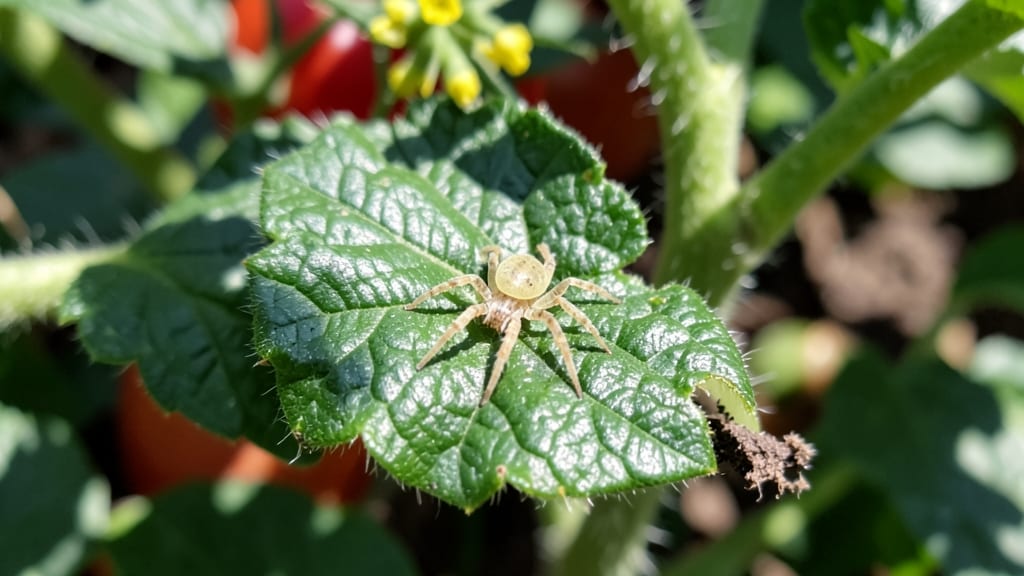
Spider mites on tomato plants turn lush leaves into skeletonized messes faster than you can say "harvest season." 🌱 I’ve watched these tiny red pests strip plants bare in just days—until I learned the right mix of quick fixes and long-term prevention that actually works.
The key is acting before the webbing spreads, because once it does, your plants are fighting for their lives.
These pests thrive in dry, dusty conditions, which means they’re often a sign your plants need more humidity or a good spray-down.
I’ve used a 50/50 water and neem oil mix in a spray bottle to knock them back within 48 hours, but the real secret is consistency—check undersides of leaves weekly, especially in hot weather. Most gardeners overlook this step until it’s too late, and that’s when the damage becomes permanent.
By the end of this, your tomato plants will be thriving again with new growth pushing out within a week. The leaves will stay vibrant green, not speckled with tiny moving dots, and your harvest won’t get hijacked by these sneaky pests.
We’ll cover exactly how to spot them early, what sprays work best, and how to keep them from coming back—no fancy equipment needed.
This works for backyard gardens, containers, or even greenhouse tomatoes. The same principles apply whether you’re growing heirlooms or cherry varieties. Let’s get those plants back in fighting shape before the mites win another round.
The Hidden Triggers Inviting Spiders
Spiders aren’t just creepy crawlies—they’re often uninvited guests drawn to your tomato plants by specific conditions. Understanding these triggers is the first step to reclaiming your garden. Let’s break down the real reasons these tiny pests show up and why your tomatoes become their favorite buffet.
Spider mites thrive where they can hide undetected, and dense tomato foliage gives them the perfect camouflage.
When plants are overcrowded: - Reduced airflow traps moisture, creating a humid microclimate that mites love. - Shaded leaves (from thick canopies) stay cooler and damper, slowing natural predators like ladybugs. - Sticky webbing becomes easier to spin when leaves brush against each other.
Actionable fix: Prune regularly to open up the plant structure, allowing sunlight and air to circulate. Aim for 12–18 inches of spacing between tomato stems for optimal airflow.
Spider mites are opportunistic—they attack plants already struggling to survive. Underwatering or drought stress triggers a plant’s defensive response by producing more sugars in its leaves, which attracts mites like a neon sign.
- Underwatered plants: Roll leaves upward to conserve moisture, making them drier and more appealing to mites.
- Overwatered plants: Soggy soil disrupts root health, weakening the plant’s ability to fight pests.
Actionable fix: Water deeply 1–2 inches per week, focusing on the soil (not leaves) to avoid fungal issues. Use drip irrigation to keep foliage dry and reduce mite activity.
Spider mites explode in numbers during hot, dry weather because:
- High temperatures (above 85°F) speed up their reproduction cycle (they can lay 20 eggs per day in ideal conditions).
- Low humidity dries out plant tissues, making them easier to pierce and suck sap from.
- Sunburned leaves (from intense heat) release stress signals that mites detect as a "feast mode" trigger.
Actionable fix: Provide shade cloth (30–50%) during peak heat or mulch heavily to retain soil moisture. Early morning or late evening watering helps mitigate heat stress.
A sick tomato plant is a weakened fortress—and spider mites are the invaders waiting in the wings. Common infections like:
- Early blight (brown spots on leaves)
- Powdery mildew (white fuzzy patches)
- Bacterial spot (water-soaked lesions)
…create open wounds where mites can latch on. Additionally, fungicides (like neem oil overuse) can kill beneficial mites that keep spider mites in check.
Actionable fix: Rotate organic fungicides (copper soap, baking soda spray) and avoid broad-spectrum chemicals. Strengthen plants with compost tea to boost natural resistance.
Tomato gardens aren’t just ecosystems for mites—they’re battlegrounds. When ladybugs, lacewings, or predatory mites disappear, spider mites take over.
This happens because: - Pesticide use (even "safe" ones) can wipe out beneficial insects. - Monoculture gardening (only tomatoes) removes habitat diversity for predators. - Harsh weather (freezes, floods) decimates predator populations faster than mites.
Actionable fix: Plant companion crops (marigolds, basil, nasturtiums) to attract predators. Avoid systemic pesticides—opt for targeted sprays (like insecticidal soap) that don’t harm helpers.
Healthy soil = healthy plants = stronger pest resistance. When soil lacks:
- Organic matter (compost, worm castings), plants can’t absorb enough nutrients.
- Beneficial microbes, roots struggle to communicate threats to the plant.
- Balanced pH (6.0–7.0), essential minerals become unavailable, weakening leaves.
Actionable fix: Amend soil with aged compost and mycorrhizal fungi to improve nutrient uptake. A balanced fertilizer (like 5-5-5) supports overall plant vigor.
Some gardeners unknowingly invite mites by using:
- Synthetic fertilizers (high nitrogen can make plants more susceptible).
- Petroleum-based sprays (like some horticultural oils) that linger on leaves, repelling predators but not mites.
Actionable fix: Switch to organic fertilizers (fish emulsion, seaweed extract) and food-grade oils (like coconut oil spray) that break down harmlessly.
Pro Tip: 💡 Scout early! Check the undersides of leaves (mite hotspots) and new growth weekly. Early detection = easier eradication. Use a hand lens if needed—you’ll spot mites as tiny moving dots before the damage is visible.
Quick Fixes For Spider Mites On Plants
Spider mites may seem like a tiny but relentless foe, but with the right strategies, you can reclaim your tomato plants—fast. Below are targeted solutions based on the root cause of your infestation, from immediate action steps to long-term prevention. No harsh chemicals required!
When spider mites have already spun their webs and feasted on your tomatoes, act fast to stop the damage.
🍳 Spray Down with Homemade Miticide (Best for Light Infestations)
Mix 1 tablespoon of dish soap (like Dawn) with 1 quart of water and a dash of neem oil (optional but powerful).
Spray directly on the undersides of leaves—this is where mites hide! Reapply every 3–4 days until they’re gone.
✨ Pro Tip: Test the soap solution on a small leaf first to avoid burning tender foliage.
👨🍳 Introduce Beneficial Predators (Long-Term Defense)
Ladybugs, lacewings, and predatory mites love eating spider mites. Buy them online or from garden centers and release them near infested plants. They’ll do the dirty work for you!
🌡️ Adjust Watering & Humidity (Prevents Future Outbreaks)
Spider mites thrive in dry, hot conditions. Increase humidity by:
- Misting plants daily (especially in the morning).
- Mulching around the base to retain moisture.
- Grouping plants together to create a microclimate.
If your tomatoes keep getting reinfested, deeper changes are needed.
🌿 Rotate Your Plant Care Routine
- Prune heavily damaged leaves (but don’t overdo it—keep some foliage for photosynthesis).
- Wipe leaves with a damp cloth to remove webs and eggs.
- Avoid over-fertilizing—too much nitrogen attracts pests.
🎯 Use a Stronger Natural Remedy (For Stubborn Cases)
Try a garlic or chili pepper spray:
- Blend 1 garlic bulb + 1 chili pepper with 1 quart of water, strain, and spray.
- Neem oil spray (1 tbsp oil + 1 tsp mild soap per quart of water) disrupts mite life cycles.
✨ Pro Tip: Apply in the early morning or late evening to avoid burning leaves in direct sunlight.
Once you’ve banished spider mites, keep them from coming back with these habits:
- Inspect new plants before bringing them home (quarantine for a week if possible).
- Encourage natural predators by planting dill, fennel, or marigolds nearby.
- Keep your garden clean—remove fallen leaves and debris where mites hide.
- Use reflective mulch (like aluminum foil) to deter mites with light confusion.
By combining immediate action with smart prevention, your tomato plants will bounce back—and stay mite-free! 🍅💪
Frequently asked questions
Are the tiny spiders on my tomato plants actually harmful?
Most likely, you're dealing with spider mites, not harmless spiders! These microscopic pests suck plant sap, causing yellowing leaves and webbing. They multiply rapidly in dry conditions, so check undersides of leaves for tiny moving dots or fine webs. Act quickly—they can defoliate plants in weeks.
What's the fastest way to get rid of spider mites without chemicals?
Try a soapy water spray (1 tbsp mild dish soap + 1 quart water) applied directly to infested areas. Reapply every 3-4 days for 2 weeks. For stubborn cases, mix in neem oil (1 tsp per quart). Always test on a small leaf first to avoid damage.
Why do spider mites keep coming back after treatment?
Mites often return due to dry conditions or hidden eggs you missed. Increase humidity by misting plants daily and prune crowded foliage for better airflow. Check undersides of leaves weekly—eggs are often overlooked. Consider releasing ladybugs as natural predators.
Can I still harvest tomatoes if spider mites are present?
Yes, but focus on washing fruits thoroughly before eating. Mites don't typically infest tomatoes themselves, but they weaken the plant. Remove heavily infested leaves first to redirect the plant's energy to fruit production. Harvest regularly to reduce stress on the plant.
How can I prevent spider mites in my tomato garden next season?
Start with healthy soil (compost + mycorrhizal fungi) and proper spacing (12-18 inches between plants). Use drip irrigation to keep foliage dry, and plant companion crops like basil or marigolds. Regularly inspect new plants before adding them to your garden.