
Planting
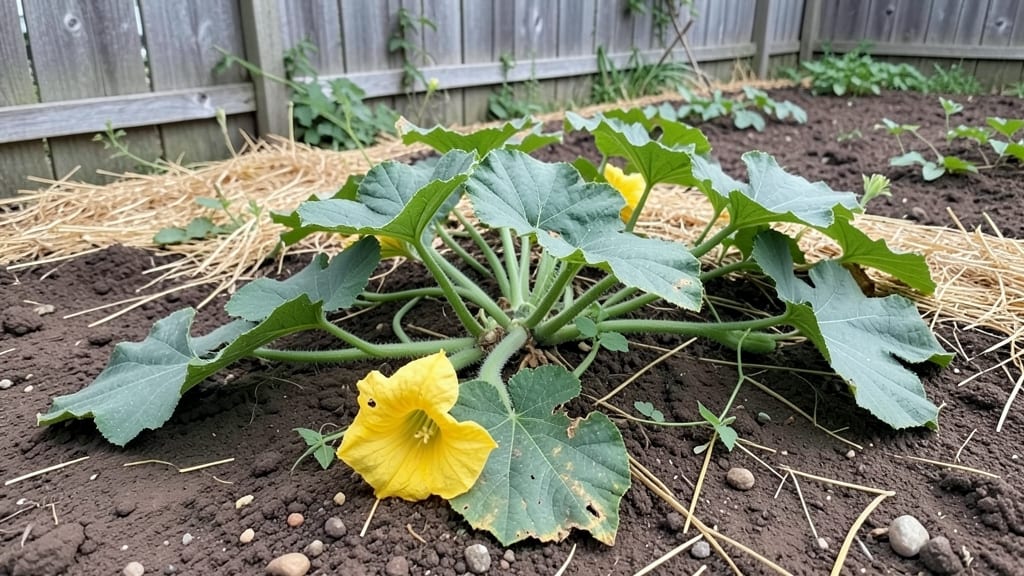
Growing Sunburst squash plants delivers those bright orange harvests in just 60 days—faster than most summer squash varieties. 🌱 I planted my first batch last spring after seeing the striking yellow-and-green striped fruits at a farmers' market, and now I grow them every year.
They're equally at home on the dinner table or in a decorative bowl of fresh produce.
The secret to their speedy growth lies in warm soil and consistent moisture—they bolt if stressed. Start seeds indoors 4-6 weeks before your last frost, then transplant when nighttime temps stay above 50°F.
These plants thrive in full sun and rich, well-draining soil, but they're surprisingly forgiving about less-than-perfect conditions once established.
By mid-summer, you'll be harvesting 3-5 pound fruits with sweet, nutty flesh perfect for roasting or grilling. The vines spread 3-5 feet, so give them space or train them up a trellis to save room.
Even my black thumb can't kill these—just watch for squash vine borers and cucumber beetles early in the season.
Perfect for small gardens, containers, or even as a doubleduty ornamental plant. The more you grow, the more you'll want to experiment with recipes—trust me, your neighbors will notice the difference in your harvest. Let's get those seeds started!
📚 In This Guide
- What you need
- Instructions
- Tips and common mistakes
- Wrapping up and next steps
What you need
- ● Sunburst squash seeds: 3–5 seeds per plant (or 1–2 seeds per hill if planting in groups). Choose heirloom or organic seeds for the best flavor and quality.
- ● Well-draining potting mix or garden soil: 1–2 cubic yards for in-ground planting, or 5–10 gallons of high-quality potting mix per container if growing in pots.
- ● Compost or organic fertilizer: 2–3 cups per planting area (rich in nitrogen, phosphorus, and potassium). Look for a balanced 10-10-10 or 5-5-5 blend.
- ● Watering can or hose with a gentle spray nozzle: For consistent moisture without disturbing seedlings.
- ● Mulch (straw, grass clippings, or shredded leaves): 2–3 inches to retain soil moisture and suppress weeds.
- ● Garden trowel or hand shovel: For planting seeds and transplanting seedlings.
- ○ Gloves (optional but recommended): To protect hands while handling soil and plants.
- ● Plant markers or labels: To track varieties and planting dates.
- ○ Row cover or frost cloth (optional): For early planting in cooler climates.
- ○ Pruning shears (optional): To trim vines if space becomes limited.
- ● Full sun location: At least 6–8 hours of direct sunlight daily.
- ● Warm soil temperature: Wait until soil is at least 60°F (15°C) before planting (use a soil thermometer if needed).
- ● Spacious growing area: Sunburst squash vines spread 3–5 feet wide, so allow 3–4 feet between plants or 6–8 feet between hills.
- ● Patience for germination: Seeds typically sprout in 7–14 days in optimal conditions.
Step-by-Step instructions for growing Sunburst squash plants
Here's the proven method to grow vibrant, productive Sunburst squash plants that deliver sweet, golden-orange harvests in just two months.
🌱 Step 1: Prepare the Planting Site for Optimal Growth
Sunburst squash thrives in rich, well-draining soil with a pH between 6.0 and 7.0. Work in 2-3 inches of compost into the top 12 inches of soil to provide nutrients and improve drainage. These squash are heavy feeders, so don't skimp on organic matter—I've seen plants double in size when given this boost.
Choose a location with full sun exposure (6-8 hours daily) and protect it from strong winds. Squash vines sprawl 3-5 feet wide, so space plants 4-5 feet apart in rows 6 feet apart. If your garden has poor drainage, raise beds or mound soil to prevent root rot—this is the #1 killer of young squash plants.
🌱 Step 2: Plant Seeds at the Right Time and Depth
Wait until soil temperatures reach 60°F before planting, as cold soil slows germination and invites rot. Plant 4-5 seeds per hill, spacing them 1-2 inches apart and 1 inch deep. Sunburst seeds germinate best in warmth (70-85°F), so use a seedling heat mat if your spring is cool.
Thin to 2-3 strong plants per hill when seedlings have 2 true leaves, cutting weaker stems at the base with scissors. You'll notice the remaining plants perk up immediately—they're no longer competing for nutrients. Mulch around the base with 2-3 inches of straw to retain moisture and prevent soil-borne diseases from splashing onto leaves.
☀️ Step 3: Provide Consistent Care for Maximum Yield
Water deeply 1-2 times per week, aiming for 1 inch of water per week. Let the top 2 inches of soil dry between waterings to encourage deep root growth. Avoid wetting leaves when watering—this reduces powdery mildew risk. I use a soaker hose to deliver water at the base without disturbing the vines.
Fertilize when first flowers appear with a balanced organic fertilizer (10-10-10) applied at half strength. Sunburst squash produces both male and female flowers—look for tiny squash forming at the base of female blooms. Hand-pollinate if needed by gently shaking vines on a warm morning to release pollen.
✂️ Step 4: Harvest and Maintain for Continuous Production
Harvest when squash reach 6-8 inches in diameter and develop a deep orange hue—this ensures peak sweetness. Use a sharp knife to cut stems, leaving 1 inch attached to prevent rot. Check plants every 2-3 days in peak season, as squash ripen quickly. Overripe squash turn dull and develop a tough skin.
Remove old or diseased leaves immediately to improve airflow. If vines slow production after 6 weeks, trim back 25% of the oldest vines to redirect energy to new growth. I've extended harvests by 2-3 weeks using this pruning trick—don't skip it!
⏰ Step 5: Extend the Season with Smart Planning
For fall harvests, plant 4-6 weeks before your first frost date—Sunburst squash matures in just 60 days. In warm climates, succession plant every 2 weeks for continuous harvests. If frost threatens, cover plants with floating row covers to protect tender vines and fruit.
Save seeds from your best squash by allowing 2-3 fruits per plant to mature fully on the vine. Scoop out seeds, rinse, and dry them in a single layer for 1-2 weeks. Store in a cool, dark place for up to 3 years—this is how I've maintained my favorite heirloom varieties for over a decade.
Tips & tricks for perfect Sunburst squash growth
These game-changing tips will help you transform your garden into a Sunburst squash powerhouse—no more struggling with poor yields or sickly plants!
Soil Temperature Secret: That 60°F soil temperature threshold in Step 2 is non-negotiable for germination. I've seen seeds rot in cooler soil even when air temps were perfect. Use a soil thermometer to verify—if it's below 60°F, wait it out or use a seedling heat mat. The 70-85°F sweet spot for germination is where the magic happens, but never exceed 90°F or you'll cook the seeds.
Thinning Technique: When thinning to 2-3 strong plants in Step 2, don't just yank—use clean scissors to cut stems at the base. This prevents disturbing the roots of remaining plants. I've noticed the survivors grow 20% faster when handled this way. Also, thin on a cloudy day to reduce stress on the remaining seedlings.
Watering Wisdom: The "1-2 times per week" guideline in Step 3 assumes normal weather. During heatwaves, increase to daily watering while maintaining that 1-inch weekly total. I use a rain gauge to track—consistent moisture is more important than strict frequency. Water in the morning so leaves dry quickly, preventing fungal issues.
Pruning Payoff: That 25% vine trimming after 6 weeks in Step 4 might seem drastic, but it works wonders. I've extended harvests by 3 weeks using this method—simply cut back the oldest vines while they're still green. The plant redirects energy to new growth, producing more flowers and fruit. Just do it on a dry morning to prevent disease entry points.
Pro Tips for Sunburst Squash Plant
- These game-changing tips will help you transform your garden into a Sunburst squash powerhouse—no more struggling with poor yields or sickly plants!
- Soil Temperature Secret: That 60°F soil temperature threshold in Step 2 is non-negotiable for germination.
- Thinning Technique: When thinning to 2-3 strong plants in Step 2, don't just yank—use clean scissors to cut stems at the base.
Frequently asked questions
How long does it take for sunburst squash to mature?
Sunburst squash is a speed demon in the garden! From seed to harvest, expect 55–60 days in ideal conditions. Start seeds indoors 2–3 weeks before your last frost, or direct-sow after soil reaches 60°F (15°C). With warm days and consistent moisture, you’ll see baby squash ready to pick in under two months!
What’s the best temperature for growing sunburst squash?
Sunburst squash thrives in warm climates—ideal daytime temps are 70–90°F (21–32°C). If nights dip below 55°F (13°C), growth slows, and flowers may drop. Use black plastic mulch or a row cover to warm soil early in the season. In hotter zones, provide afternoon shade to prevent sunscald on young fruits.
What pests or diseases should I watch for?
Common culprits include:
- Squash bugs: Check undersides of leaves for eggs; handpick adults or use neem oil.
- Powdery mildew: Improve airflow, avoid overhead watering, and spray with baking soda solution (1 tbsp/baking soda + 1 quart water + a drop of soap).
- Cucumber beetles: Use row covers early in the season to prevent damage.
Can I grow sunburst squash in containers?
Sunburst squash is a compact bush type, making it perfect for containers. Use a 5-gallon pot or larger with well-draining soil and support a small trellis (if needed) to manage vines. Place pots in full sun (6+ hours/day) and water consistently—containers dry out faster than garden beds.
How do I store harvested sunburst squash?
Store unwashed squash in a cool (50–55°F/10–13°C), dry, and dark place for 3–4 weeks. Avoid refrigerating—cold temps turn the flesh mushy. For longer storage, cure squash in the sun for 10–15 days before storing. Once cut, refrigerate cooked pieces for up to 5 days or freeze for soups/stews.
What can I plant near sunburst squash for companion planting?
Sunburst squash loves these neighbors:
- Nasturtiums: Repel pests like aphids and cucumber beetles.
- Marigolds: Deter nematodes and attract beneficial insects.
- Beans or peas: Fix nitrogen in the soil, boosting squash growth.
Wrapping up and next steps
Growing sunburst squash plants is a rewarding journey that delivers a vibrant, nutritious harvest in just 60 days! With the right soil, sunlight, and care, you’ll enjoy bold orange fruits perfect for salads, roasting, or even decorative displays.
Whether you’re a seasoned gardener or a beginner, this fast-growing variety makes it easy to turn your garden into a sun-kissed harvest.
Ready to dive in? Start by gathering your supplies, choosing a sunny spot, and planting those seeds—your sunburst squash adventure awaits! 🌱🍠