
Companion Plants
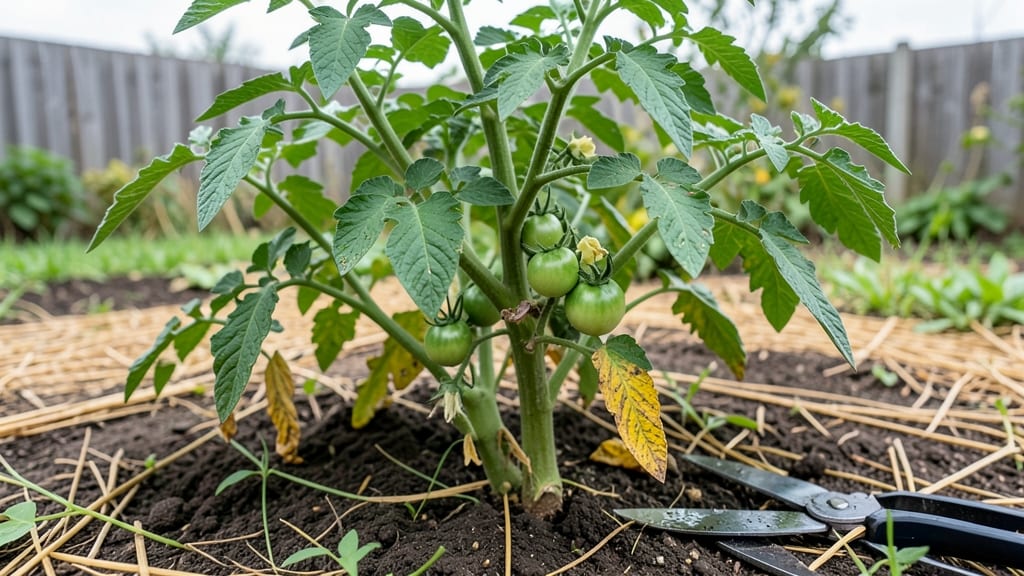
Tending to plants isn’t just about watering and hoping for the best—it’s about creating a thriving ecosystem where the right neighbors make all the difference. 🌱 I learned this the hard way after my basil bolted before ever producing leaves, until I paired it with marigolds and watched the pests vanish overnight.
The secret isn’t complicated: some plants grow faster, resist disease better, and even flavor each other when planted side by side.
You don’t need a degree in botany to make this work—just a few strategic pairings and a little observation. Start with the classics: tomatoes love basil (it improves flavor and deters flies), while carrots and onions keep each other’s pests in check.
Even herbs like dill and cilantro can save struggling lettuce from aphids. The key is matching plants with similar sunlight and water needs, so they support each other without competition.
By the end of your first season, you’ll notice plants growing taller, blooming longer, and producing more than ever before. The air will smell richer, the soil healthier, and your garden will feel like a well-oiled machine—one where nature does half the work for you.
Ready to see which pairings transform your garden next?
This approach works for containers, raised beds, or in-ground gardens, and adapts to any climate. The only real mistake? Not trying it sooner. Let’s get those pairings planted!
📚 In This Guide
- What you need
- Instructions
- Tips and common mistakes
- Wrapping up and next steps
What you need
- ● Healthy plant seedlings or seeds: 2–4 plants per companion pairing (e.g., basil + tomatoes, marigolds + peppers)
- ● Choose disease-resistant varieties if possible (e.g., Roma tomatoes or Sweet Basil)
- ● Garden space: Containers (5–10 gallon pots) or in-ground beds (6+ inches deep, well-draining)
- ● Full sun (6+ hours/day) for most pairings; partial shade for leafy greens
- ● Soil: 1 bag (40 lb) of organic potting mix or garden soil amended with compost
- ○ Optional: Slow-release fertilizer (10-10-10 ratio, 1 lb per 100 sq ft)
- ● Basic tools: Trowel or hand shovel
- ● Gloves (nitrile or cotton)
- ● Watering can (1–2 gallon capacity) or hose with gentle spray nozzle
- ● Pest deterrents: Neem oil spray (for aphids/mites)
- ● Copper tape (to repel slugs/snails)
- ● Growth boosters: Compost tea (1 cup per plant every 2 weeks)
- ● Fish emulsion (2 tbsp per gallon of water, diluted)
- ● Monitoring tools: Plant journal (to track growth/pest activity)
- ● Soil pH test kit (ideal range: 6.0–7.0 for most companions)
Step-by-Step guide to plant pairings for healthier gardens
Here’s how to pair plants strategically for stronger growth and natural pest control—no chemicals needed.
🌱 Step 1: Group Plants by Similar Needs
Start by organizing plants with matching sunlight and water requirements. For example, pair basil with tomatoes—they both thrive in 6+ hours of sunlight and love consistent moisture. I always group herbs like parsley and cilantro together since they prefer cooler soil and partial shade.
Check the tags on your plants or reference a planting guide to match growth habits. You’ll see healthier, more uniform growth when conditions align. Avoid mixing water-loving plants like lettuce with drought-tolerant ones like rosemary—they’ll compete for resources and stress each other.
🌿 Step 2: Plant Pest-Repelling Companions Near Vulnerable Species
Marigolds are my go-to pest deterrent—I plant them around tomatoes, peppers, and cucumbers to confuse aphids and nematodes with their strong scent. Nasturtiums work similarly, especially near brassicas like kale and cabbage, as they lure pests away from your main crops.
For vegetable gardens, place garlic or onions near carrots to deter carrot flies. You’ll notice fewer chewed leaves and healthier roots when these natural repellents are nearby. Just avoid planting them too close—keep at least 12 inches apart so they don’t compete for nutrients.
☀️ Step 3: Use Tall Plants to Support Climbers
Train vining plants like cucumbers or beans to grow alongside cornstalks or trellises. This saves space and keeps fruits off the ground, reducing rot and pest access. I’ve found that cucumbers paired with radishes grow faster—radishes mature quickly and mark rows, while cucumbers climb nearby without crowding.
For flowers, pair sunflowers with beans—their height provides shade for heat-sensitive plants below. Watch for natural shade patterns forming as the season progresses, and adjust spacing if leaves start rubbing together (this can spread disease).
💧 Step 4: Mulch and Monitor Soil Health Together
Apply 2-3 inches of organic mulch around paired plants to retain moisture and regulate temperature. Straw works well for vegetables, while wood chips suit perennials. I always mulch after watering to lock in hydration—you’ll see fewer weeds and more consistent growth.
Check soil moisture weekly by pressing your finger 1 inch deep. If it feels dry, water deeply around the base of both plants. Avoid overhead watering, which can spread fungal diseases between companions. Healthy soil means stronger roots and better pest resistance.
✂️ Step 5: Prune and Harvest Strategically
Regularly trim spent flowers from basil or marigolds to encourage bushier growth and more pest-repelling oils. I pinch back leggy stems on tomatoes paired with basil to keep energy focused on fruit production. You’ll see thicker foliage and more flowers within 2-3 weeks of consistent pruning.
Harvest vegetables like beans or peas as soon as they ripen to signal plants to produce more. Overcrowding paired plants leads to competition—thin seedlings early if they’re growing too close. A well-maintained pair will reward you with abundant harvests and fewer pest problems.
Tips & tricks for perfect plant pairings
A few simple strategies can transform your garden from good to exceptional—here's how to maximize those plant pairings for stronger, healthier growth.
Sunlight and Shade Balance: In Step 1, when pairing plants with similar sunlight needs, pay attention to their mature heights. Tall sunflowers can provide afternoon shade for heat-sensitive plants like lettuce, while shorter herbs like parsley can thrive in the morning sun where taller plants might cast shadows. I've found that placing basil near the base of tomato plants works beautifully—the tomatoes provide partial shade while the basil's scent deters pests from both. This creates a natural microclimate that benefits both plants.
Pest Defense Strategy: For Step 2, the 12-inch spacing between pest-repelling plants like garlic and carrots isn't just about avoiding competition—it's about creating a pest disruption zone. When planting marigolds around tomatoes, space them every 18-24 inches to create a continuous scent barrier. I've noticed that when marigolds are too close, their pest-repelling oils can actually inhibit tomato growth. The key is creating a protective perimeter without crowding your main crops.
Vertical Growth Hack: In Step 3, when training vining plants, don't just use trellises—consider using cornstalks or sunflower stalks as natural supports. I've had great success with cucumbers growing alongside radishes because the radishes mature quickly (in about 30 days) and mark the rows perfectly while the cucumbers climb. This dual-purpose pairing saves space and creates a natural trellis system. Just be sure to harvest radishes promptly to avoid overcrowding as the cucumbers establish themselves.
Mulching Made Easy: For Step 4, when applying that 2-3 inches of mulch, use different materials for different plant types. Straw works well for vegetables because it breaks down quickly and adds nutrients, while wood chips are better for perennials as they last longer. I've found that applying mulch in a slight mound around the base of plants helps direct water exactly where it's needed, reducing evaporation by up to 30%. Just be careful not to pile mulch directly against plant stems to prevent rot.
Pro Tips for Tend To Plants
- A few simple strategies can transform your garden from good to exceptional—here's how to maximize those plant pairings for stronger, healthier growth.
- Sunlight and Shade Balance: In Step 1, when pairing plants with similar sunlight needs, pay attention to their mature heights.
- Pest Defense Strategy: For Step 2, the 12-inch spacing between pest-repelling plants like garlic and carrots isn't just about avoiding competition—it's about creating a pest disruption zone.
Frequently asked questions
Got questions about tending to plants and their magical companion pairings? You’re not alone! Here are some of the most common queries—plus clear, actionable answers to help you garden like a pro.
What are the easiest companion plant pairings for beginners?
Start with classic, low-maintenance combos like basil + tomatoes (basil deters pests and enhances flavor) or marigolds + veggies (marigolds repel nematodes and aphids). Herbs like dill + cabbage also work wonders—just avoid planting them too close to each other!
How often should I tend to companion plants?
Check your pairings weekly for pests, water needs, and growth interference (e.g., tall plants shading smaller ones). Mulch helps retain moisture, but avoid overcrowding—aim for 12–18 inches of space between most companions. Adjust based on weather: drought? Water deeply 2–3x/week.
What if pests still attack even with companion plants?
Don’t panic! Try these fixes:
- Rotate crops annually to disrupt pest life cycles.
- Add a third “bodyguard” (e.g., nasturtiums lure aphids away from your veggies).
- Handpick pests early in the morning when they’re sluggish.
- Neem oil spray (1 tsp/quart of water) for organic defense.
Can I tend to companion plants in containers?
Pair compact companions like:
- Chives + carrots (chives deter carrot flies).
- Thyme + strawberries (thyme improves flavor and repels pests).
- Lettuce + radishes (radishes break up soil, lettuce thrives in shade).
What’s the best time of day to tend to companion plants?
Morning is ideal! Cool temps and dew make it easier to spot pests (like aphids) and reduce stress on plants. Avoid midday heat—it can shock roots when digging or transplanting. Pro tip: Water companions before tending to minimize transplant shock.
Wrapping up and next steps
Tending to plants doesn’t have to be a solo journey—strategic companion pairings can turn your garden into a thriving ecosystem! 🌱 By leveraging nature’s partnerships, you’ll enjoy healthier plants, fewer pests, and even easier maintenance.
Whether you’re a seasoned gardener or just starting out, these pairings make it simple to boost growth and protect your greens naturally.
Ready to put these tips into action? Start small—pick one or two plant pairs from this guide and observe the magic unfold. Soon, you’ll be confidently curating your own thriving garden with minimal effort. Happy planting! 🌿