
Planting
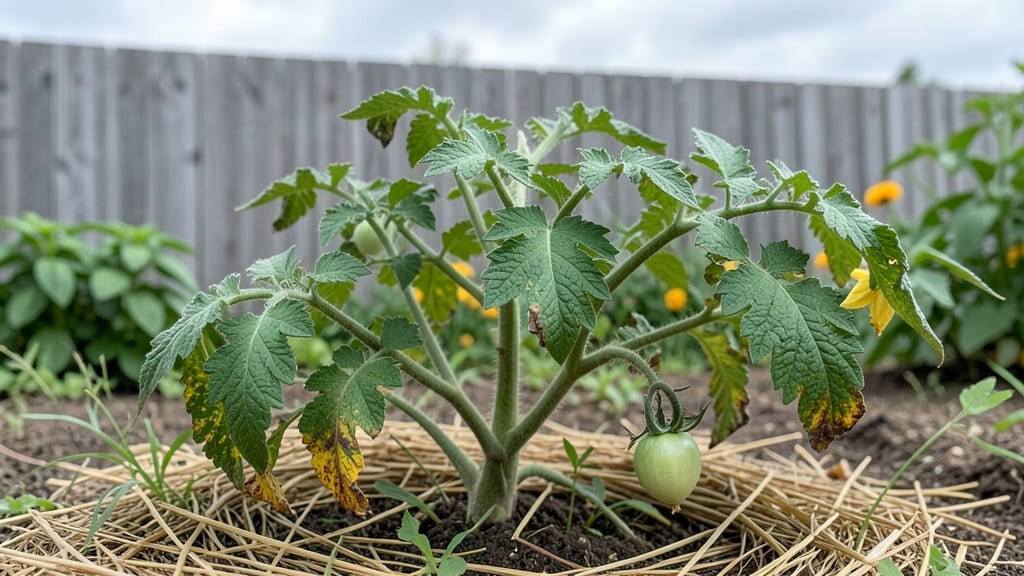
Dealing with tomato plant allergies doesn’t mean giving up on growing your favorite veggie—it just means getting smarter about how you garden. 🌱 I’ve battled itchy skin and sneezing fits from tomato sap and pollen, but I’ve also found ways to grow tomatoes without the misery.
The key is understanding what triggers reactions and how to work around them.
First, protect yourself with long sleeves, gloves, and a mask when handling plants or pruning. Some gardeners swear by hypoallergenic tomato varieties like ‘Mountain Merit’ or ‘Better Boy,’ which produce less irritating sap.
Good airflow in your growing space—whether that’s a raised bed or greenhouse—also makes a huge difference in reducing exposure.
You’ll still get that sweet, homegrown tomato flavor without the allergic reaction. Start by testing small batches of plants in a controlled area, and always wash your hands thoroughly after handling them. With the right precautions, you can enjoy a thriving tomato patch without the sneezes and rashes.
This approach works for both indoor and outdoor gardeners, no matter your space. The goal is to keep growing what you love—safely. Let’s get you set up for a season without the allergies!
📚 In This Guide
- What you need
- Instructions
- Tips and common mistakes
- Wrapping up and next steps
What you need
- ● Allergy-friendly tomato varieties: 3–5 plants of Solanum lycopersicum varieties like 'Micro Tom,' 'Tiny Tim,' or 'Sweet 100' (low-allergen strains). Pro tip: 🌡️ Opt for heirloom or organic seeds to reduce pesticide residues!
- ● Soil: 10–15 lbs of sterile, well-draining potting mix (e.g., Miracle-Gro Organic Potting Soil). Avoid compost with nightshade residues.
- ● Containers: 2–3 5-gallon fabric pots or raised beds (elevated to prevent soil-borne allergens).
- ● Gloves: 1 pair nitrile gloves (latex-free for sensitive skin).
- ● Spray bottle: 1 16 oz. spray bottle for diluted vinegar (1:3 water ratio) to rinse plants post-handling.
- ○ Allergy test kit: Optional but recommended—Patch test strips (e.g., from Smart Practice) to check for reactions before full exposure.
- ● Air purifier: A HEPA-filtered unit (e.g., Levoit Core 300) for indoor growing spaces to capture pollen/spores.
- ● Antihistamine cream: 1 tube hydrocortisone 1% (for minor skin reactions).
- ● Label markers: Water-soluble labels (to avoid ink allergens) for tracking plant varieties.
- ● Companion plants: 1–2 basil or marigold plants (natural pest deterrents that don’t cross-react with tomatoes).
Step-by-Step guide to growing safe alternatives for tomato allergies
Here’s how to build a garden full of flavorful, allergy-friendly plants that thrive without the risk.
🌱 Step 1: Choose Non-Allergenic Vegetables and Herbs
Skip tomatoes entirely and focus on plants that won’t trigger your sensitivity. I grow bell peppers, zucchini, and leafy greens like spinach and kale—they’re packed with nutrients and safe for most people with tomato allergies. Herbs like basil, parsley, and cilantro also work well, adding fresh flavor without risk.
Check seed packets for cross-contamination warnings if you have severe allergies. I avoid nightshades (tomatoes, potatoes, eggplants) entirely and stick to the squash family (cucumbers, zucchini) and leafy greens, which are naturally safe. Rotate crops yearly to prevent soil-borne allergens from building up.
🌿 Step 2: Select Allergy-Friendly Container or Ground Space
Use raised beds or large containers to keep plants isolated from tomato pollen or accidental cross-contamination. If gardening in the ground, choose a spot at least 20 feet away from any tomato plants in your neighborhood—pollen travels farther than you’d think.
I line my containers with landscape fabric to block weeds and potential allergens from surrounding soil. For ground plots, mark boundaries with stakes and twine to avoid accidental planting near nightshades. This keeps your space clean and safe for harvesting.
☀️ Step 3: Plant and Maintain with Allergy in Mind
Start seeds indoors 6-8 weeks before your last frost date for a head start, or buy transplants from reputable nurseries that guarantee no nightshade exposure. Water deeply at the base once a week (adjust for rainfall) to encourage strong, healthy growth without over-saturating the soil.
Watch for pests like aphids or whiteflies, which can stress plants and sometimes carry allergens. I spray with neem oil (diluted as directed) to keep insects away naturally. Avoid chemical sprays—they can leave residues that might irritate sensitive skin.
✂️ Step 4: Harvest and Store Safely
Pick vegetables when fully ripe—bright green zucchini, deep red bell peppers, or tender leafy greens—to ensure peak flavor and safety. Wash produce thoroughly under cool water before storing or eating, even if grown organically. I soak greens in a vinegar-water solution (1:3 ratio) for 5 minutes to kill any lingering allergens.
Store harvested veggies in paper bags or breathable containers in the fridge. Herbs like basil and parsley keep fresh for weeks in a glass jar of water on the counter, while leafy greens last longer in a damp paper towel-lined container. This preserves quality while keeping your kitchen safe.
🪴 Step 5: Rotate Crops to Prevent Future Sensitivities
Every 2-3 years, move your garden to a new location to break the cycle of any potential allergens in the soil. I keep detailed records of where each plant grows, marking spots with stakes or garden flags to avoid repeating crops in the same place.
Test new plants carefully if you’re highly sensitive—start with small amounts and monitor for reactions. If you notice any skin irritation or digestive issues, discontinue use immediately. This cautious approach ensures your garden stays a joy, not a hazard.
Tips & tricks for safe tomato-free gardening
Building an allergy-friendly garden takes a little extra planning, but these tricks will help you grow a thriving, safe harvest without the risks.
Selection Tip: When choosing plants in Step 1, prioritize the squash family—zucchini and cucumbers are particularly resilient and produce abundantly. I've found that green beans and peas also grow well in containers, making them ideal for small spaces or urban gardens. For herbs, mint and thyme are hardy alternatives that thrive in partial shade, which can be safer for some sensitive gardeners.
Container Strategy: In Step 2, if you're limited to ground space, consider using hanging baskets for herbs like basil and parsley—they keep plants elevated and away from potential ground-level allergens. For raised beds, add a 1-inch layer of compost on top of your regular soil mix to boost nutrient levels without introducing new allergens. This creates a cleaner growing environment while supporting healthy plant development.
Pest Prevention: During Step 3, introduce companion plants like marigolds around the perimeter of your garden—they naturally repel pests without chemicals. I also plant nasturtiums among my leafy greens; they act as a trap crop for aphids, drawing pests away from your edible plants. This organic approach keeps your garden safe and chemical-free.
Harvesting Hack: In Step 4, when harvesting bell peppers, pick them when they're still slightly firm—this prevents overripening, which can sometimes trigger mild reactions in sensitive individuals. For leafy greens, harvest outer leaves first to encourage continuous growth. After washing, pat dry with a clean kitchen towel before storing to prevent moisture buildup that could encourage mold.
Pro Tips for Tomato Plant Allergy
- Building an allergy-friendly garden takes a little extra planning, but these tricks will help you grow a thriving, safe harvest without the risks.
- Selection Tip: When choosing plants in Step 1, prioritize the squash family—zucchini and cucumbers are particularly resilient and produce abundantly.
- Container Strategy: In Step 2, if you're limited to ground space, consider using hanging baskets for herbs like basil and parsley—they keep plants elevated and away from potential ground-level allergens.
Frequently asked questions
Got questions about tomato plant allergies?
You’re not alone—many gardeners wonder how to navigate this safely. Below, we’ve answered the most common questions to help you grow (and enjoy) without worry.
What are the most common symptoms of a tomato plant allergy?
A tomato plant allergy (often linked to Solanaceae family proteins) may cause skin irritation, sneezing, itchy eyes, or even digestive upset after handling sap or pollen. Symptoms can mimic hay fever or mild contact dermatitis. If you experience wheezing or swelling, seek medical help immediately.
How long does it take for allergy symptoms to appear after exposure?
Symptoms can show up within minutes to hours after contact, depending on sensitivity. Skin reactions (like rashes) may appear faster, while respiratory issues could take longer. If you’re unsure, patch-test with a small leaf area first—wait 24 hours to monitor for reactions.
Can I still grow tomatoes safely if I’m allergic?
Yes! Wear nitrile gloves (latex can trigger allergies too) when pruning or harvesting. Rinse produce thoroughly, and avoid touching your face. Some gardeners opt for allergy-tested tomato varieties (like ‘Mountain Merit’, bred for lower allergenic compounds), though no variety is 100% safe.
Are cooked tomatoes safer than raw ones for allergy sufferers?
Cooking may reduce some allergens, but it doesn’t eliminate them entirely. Heat-sensitive proteins can still cause reactions. If you tolerate cooked tomatoes, try small amounts first. Always consult an allergist for personalized advice—especially if you’re also sensitive to potatoes or peppers.
What are the best tomato-free garden alternatives for allergy-prone gardeners?
Swap tomatoes for low-risk plants like cucumbers, lettuce, or herbs (basil, parsley). Avoid nightshades (peppers, eggplants, potatoes) entirely. For flavor, try peaches, zucchini, or green beans—all safer bets and packed with nutrients!
Wrapping up and next steps
If you love gardening but struggle with a tomato plant allergy, don’t let it stop you from enjoying fresh, homegrown produce! 🌱 There are plenty of safe alternatives—like peppers, cucumbers, or herbs—that thrive in similar conditions.
Start small, test your sensitivity, and experiment with allergy-friendly plants to keep your garden both beautiful and safe.
Ready to grow? Take the first step today—research a few low-risk plants, prep your garden space, and watch your allergy-free harvest flourish! 🌿