
Planting
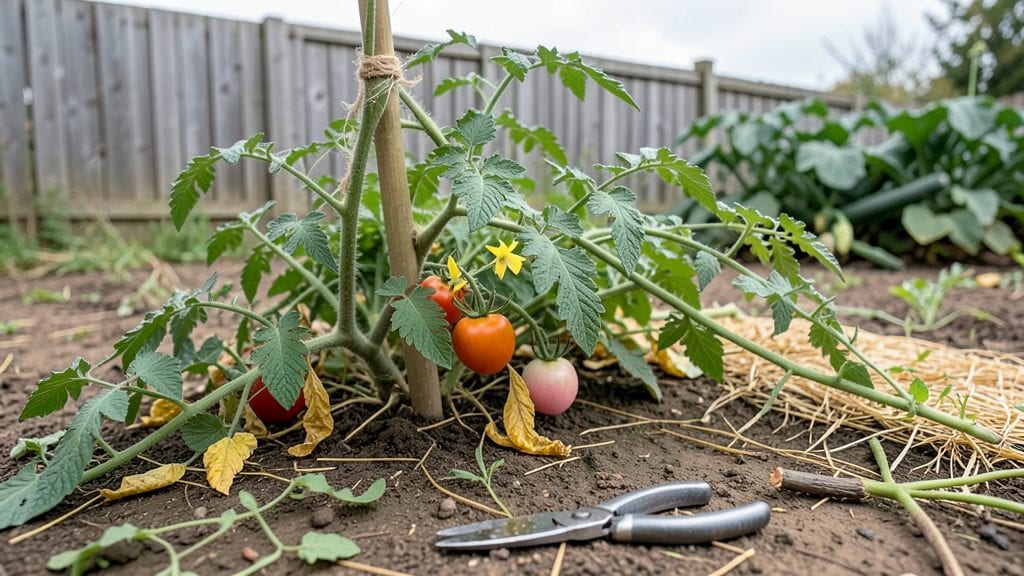
When your tomato plants look like they’re throwing in the towel with drooping leaves, this tomato plant fix is your lifeline. 🌱 I’ve nursed back more than a dozen plants from the brink—some with just a water adjustment, others needing a deeper reset.
The key is acting fast before the roots give up entirely.
Most drooping starts with one of three culprits: thirst, heat stress, or root-bound roots. A quick check of the soil tells you which—if it’s dry two inches down, water deeply until it runs out the bottom.
If the leaves feel papery and the plant wilts by midday, it’s heat exhaustion, not death. And if the roots circle the pot like a tangled mess, they’ve outgrown their home.
You’ll see a turnaround within 24-48 hours if it’s water-related, or 5-7 days if roots need space. The fix isn’t complicated: hydrate right, shade during heatwaves, and repot if the roots are suffocating.
By the time your plants perk up, you’ll spot new growth at the stem’s base—a sure sign they’re fighting back.
Works for container tomatoes, in-ground plants, and even those stubborn greenhouse varieties. The same principles apply whether your plants are struggling in July’s heat or a sudden cold snap. Let’s get those leaves standing tall again.
Root Causes of Wilting Tomatoes
Understanding why your tomato plants are struggling is the first step to bringing them back to life. Wilting leaves—whether sudden or gradual—are often a cry for help from your plants. Let’s break down the most common culprits and why they’re sabotaging your harvest.
Tomatoes are thirsty, but too much love can drown them. Overwatering disrupts oxygen flow to the roots, leading to root rot (Phytophthora or Pythium fungi), which cuts off nutrient and water uptake. Even worse? Compacted or clay-heavy soil traps excess moisture, suffocating roots and triggering wilting.
Why it happens:
- Frequent shallow watering keeps soil soggy at the surface while roots stay dry deeper down.
- Lack of drainage (e.g., containers without holes, raised beds with no slope) pools water around roots.
- Overzealous irrigation (like drip systems running too long) mimics a tropical downpour—tomatoes prefer consistency, not chaos.
Actionable clue: Check the soil 2 inches down—if it’s damp, hold off on watering. Yellowing lower leaves with mushy stems? Root rot is likely.
Tomatoes are warm-weather lovers, but temperature swings can shock them into wilting. Heat stress (above 90°F/32°C) causes physiological wilting—even with adequate water—as the plant conserves moisture to survive. Meanwhile, cold snaps (below 50°F/10°C) slow root activity, starving leaves of water and nutrients.
Why it happens:
- Midday sun + dry winds increase transpiration (water loss) faster than roots can replenish it.
- Nighttime temps dropping disrupts the plant’s circadian rhythm, halting growth overnight.
- Poor airflow (like crowded plants) traps heat, baking leaves from the inside out.
Actionable clue: Wilting that recover overnight? Heat stress. Crispy leaf edges with no recovery? Sunburn or cold damage.
Wilting can signal a hunger strike—specifically for potassium, calcium, or nitrogen. These nutrients are the backbone of cell turgor pressure (the "plumpness" that keeps leaves upright). Without them, leaves lose structure and droop like a deflated balloon.
Why it happens:
- Potassium deficiency (common in sandy soils) weakens the plant’s ability to regulate water, causing edge browning and wilting.
- Calcium deficiency (often from uneven pH or overwatering) leads to blossom end rot—but also stunted root growth, which indirectly causes wilting.
- Nitrogen starvation (pale yellow leaves) reduces overall vigor, making plants more susceptible to other stressors.
Actionable clue: Yellowing lower leaves with weak stems? Likely nitrogen. Brown leaf edges with crispy tips? Potassium or calcium.
Hidden invaders can sap your plant’s strength before you even notice. Aphids, spider mites, and whiteflies suck sap, causing leaves to wilt as the plant diverts energy to repair damage. Meanwhile, fungal diseases (like early blight or fusarium wilt) clog vascular tissue, blocking water transport.
Why it happens:
- Pests create tiny wounds, increasing water loss and inviting secondary infections.
- Fungal pathogens (especially in humid conditions) grow in root zones, disrupting nutrient flow.
- Viral infections (spread by sap-sucking insects) weaken the plant’s entire system.
Actionable clue: Sticky residue on leaves? Pests. Dark spots on stems with wilting? Fungal wilt. Yellowing veins? Possible virus.
Even well-cared-for tomatoes can wilt after disturbance. Transplant shock occurs when roots are damaged during repotting or moving, and the plant struggles to re-establish itself. Physical root injury (from digging, tools, or animals) also halts water absorption.
Why it happens:
- Root pruning during transplanting severs fine root hairs, which are critical for water uptake.
- Compacted soil from foot traffic or heavy tools crushes roots, reducing surface area for absorption.
- Overly deep planting (burying stems too far) can suffocate the plant or encourage rot.
Actionable clue: Wilting starts immediately after transplanting? Shock is the culprit. Roots look dark or mushy when inspected? Damage is likely.
Sometimes, the problem isn’t the plant—it’s the weather or your setup. High winds, low humidity, or sudden drought can overwhelm tomatoes faster than you’d expect. Even salty soil (from tap water or fertilizers) can disrupt cellular processes, leading to wilting.
Why it happens:
- Wind desiccates leaves, increasing water loss before roots can compensate.
- Low humidity (common in desert climates) causes leaves to lose moisture rapidly.
- Salinity buildup (from poor-quality water or over-fertilizing) interferes with root function.
Actionable clue: Wilting worse in windy conditions? Environmental stress. Crusty soil surface? Salinity issue.
Quick Fixes for Tomato Plant
Reviving a tomato plant with drooping leaves starts with pinpointing the root cause—and then acting fast. Below are targeted solutions for the most common issues, from overwatering to pests, along with prevention tips to keep your plants thriving. Think of this as your emergency repair kit for tomato troubles!
Signs: Yellowing leaves, mushy stems, or soil that stays soggy for days.
How to Fix It: 🔥 Step 1: Pause Watering Immediately Stop adding water until the top 1–2 inches of soil feel dry. Overwatering suffocates roots by cutting off oxygen.
🍳 Step 2: Improve Soil Drainage
- Mix in perlite, coarse sand, or compost (20% of the soil volume) to aerate the roots.
- If potted, drill drainage holes in the bottom if missing.
- For garden beds, raise the planting mound slightly to prevent water pooling.
👨🍳 Step 3: Repot (If Needed) If roots are rotting, transfer the plant to fresh, well-draining soil. Gently remove the plant, trim any black/mushy roots with sterilized scissors, and replant.
🥘 Step 4: Adjust Watering Habits
- Water deeply but infrequently—aim for 1–1.5 inches per week (adjust for climate).
- Water at the base, not overhead, to avoid fungal diseases.
- Use a moisture meter or the "finger test" to check soil dryness.
💡 Prevention Tips: ✔ Use raised beds or containers for better drainage. ✔ Mulch (2–3 inches of straw or wood chips) to retain moisture without waterlogging. ✔ Avoid watering in the evening—wet leaves encourage mildew.
Signs: Crispy leaf edges, wilting even after watering, or leaves curling upward.
How to Fix It: 🔥 Step 1: Water Thoroughly Give the plant a deep soak—water should run out the drainage holes. Repeat every 2–3 days in extreme heat (or daily if potted).
🍳 Step 2: Provide Shade Relief
- Use shade cloth (30–50%) or move potted plants to a morning sun spot if temps exceed 90°F (32°C).
- Mulch heavily to keep roots cool.
👨🍳 Step 3: Boost Humidity (For Potted Plants) Place a tray of water with pebbles near the plant or mist leaves early in the morning (avoid evening misting to prevent disease).
🥘 Step 4: Fertilize for Recovery Tomatoes need potassium and calcium to handle stress. Use a balanced fertilizer (10-10-10) or Epsom salt (1 tbsp/gallon of water) every 2 weeks.
💡 Prevention Tips: ✔ Water before 10 AM to reduce evaporation. ✔ Choose heat-tolerant varieties like ‘Heatmaster’ or ‘Solar Fire’. ✔ Group plants together to create a microclimate with shared shade.
Signs: Sticky residue (honeydew), tiny webs, or chewed leaves.
How to Fix It: 🔥 Step 1: Isolate the Plant Move it away from other tomatoes to prevent spread. Check undersides of leaves for pests.
🍳 Step 2: Blast Off Pests
- Spray with soapy water (1 tsp mild dish soap + 1 quart water) or neem oil (1 tbsp + 1 quart water + a drop of dish soap).
- Rinse off after 1 hour to avoid leaf burn.
👨🍳 Step 3: Introduce Beneficial Insects Release ladybugs or lacewings (available at garden centers) for natural pest control.
🥘 Step 4: Remove Severely Damaged Foliage Trim and dispose of infested leaves in a sealed bag (not the compost).
💡 Prevention Tips: ✔ Inspect new plants before bringing them home. ✔ Encourage predators like birds or parasitic wasps with native plants. ✔ Use reflective mulch (aluminum foil) to deter whiteflies.
Signs: Brown spots, white powdery coating, or yellowing leaves.
How to Fix It: 🔥 Step 1: Prune Infected Areas Cut off all diseased leaves with sterilized pruners (wipe with rubbing alcohol). Dispose of clippings in a sealed bag.
🍳 Step 2: Apply Fungicide
- Baking soda spray: Mix 1 tsp baking soda + 1 quart water + a few drops of soap. Spray every 7–10 days.
- Copper fungicide (follow label instructions) for severe cases.
👨🍳 Step 3: Improve Airflow
- Space plants 18–24 inches apart (or prune to open the canopy).
- Remove nearby weeds that harbor spores.
🥘 Step 4: Adjust Watering Water at the base only, and avoid overhead sprinklers. Use a soaker hose for deep, even moisture.
💡 Prevention Tips: ✔ Rotate crops—don’t plant tomatoes in the same spot yearly. ✔ Start with disease-resistant varieties like ‘Mountain Merit’ or ‘Defiant PhR’. ✔ Sanitize tools between plants to prevent cross-contamination.
Signs: Yellowing between leaf veins (iron/chlorosis), purple stems (phosphorus), or slow growth.
How to Fix It: 🔥 Step 1: Test Your Soil Use a DIY soil test kit (or send a sample to a local extension office) to identify deficiencies.
🍳 Step 2: Amend the Soil
- For nitrogen (green leaves): Add compost or blood meal.
- For potassium (strong stems): Use wood ash or banana peels (steep in water for 24 hours).
- For magnesium (yellowing): Sprinkle Epsom salt (1 tbsp/gal water) monthly.
👨🍳 Step 3: Use a Balanced Fertilizer Switch to a tomato-specific fertilizer (high in potassium and phosphorus) every 2–3 weeks during fruiting.
🥘 Step 4: Mulch with Organic Matter Top-dress with well-rotted manure or worm castings for slow-release nutrients.
💡 Prevention Tips: ✔ Side-dress plants with compost halfway through the season. ✔ Avoid over-fertilizing with nitrogen—it promotes leafy growth over fruit. ✔ Use foliar sprays (like seaweed extract) for quick nutrient uptake.
Frequently asked questions
Why do my tomato leaves wilt even after watering?
This usually means heat stress or root issues. If wilting happens during hot days but recovers overnight, it's likely heat exhaustion—provide afternoon shade and mulch heavily. If leaves stay wilted, check for root rot (mushy stems) or compacted soil restricting water uptake.
Can I save a tomato plant with yellow leaves and drooping stems?
Yes, but act fast! First, check for nutrient deficiencies (like nitrogen or potassium). Add Epsom salt (1 tbsp/gallon) for magnesium or compost for nitrogen. If roots are healthy but leaves are crispy, it's often overwatering—let soil dry between waterings. Prune damaged foliage to redirect energy.
How do I know if my tomato plant needs repotting?
Look for roots circling the pot or growing out of drainage holes. Gently remove the plant and check if roots are dense and tangled—this means it's root-bound. Repot into a container 2-3 inches larger with fresh, well-draining soil. Avoid repotting during fruiting to minimize stress.
What’s the fastest way to revive a stressed tomato plant?
For immediate relief: Deep water until it drains, then move to partial shade for 24-48 hours. Add a foliar spray of seaweed extract (1 tsp/gallon) to boost recovery. If pests are present, spray with neem oil (1 tbsp/gallon) immediately. Most plants show improvement within 3-5 days if roots are healthy.
Can I use coffee grounds to fix my tomato plant’s wilting?
Coffee grounds can help long-term by improving soil structure and providing nitrogen, but they won’t fix wilting quickly. For immediate results, focus on watering adjustments and shade relief. Mix used coffee grounds (1 part) with compost (3 parts) into the soil after the plant recovers to prevent future issues.