
Planting
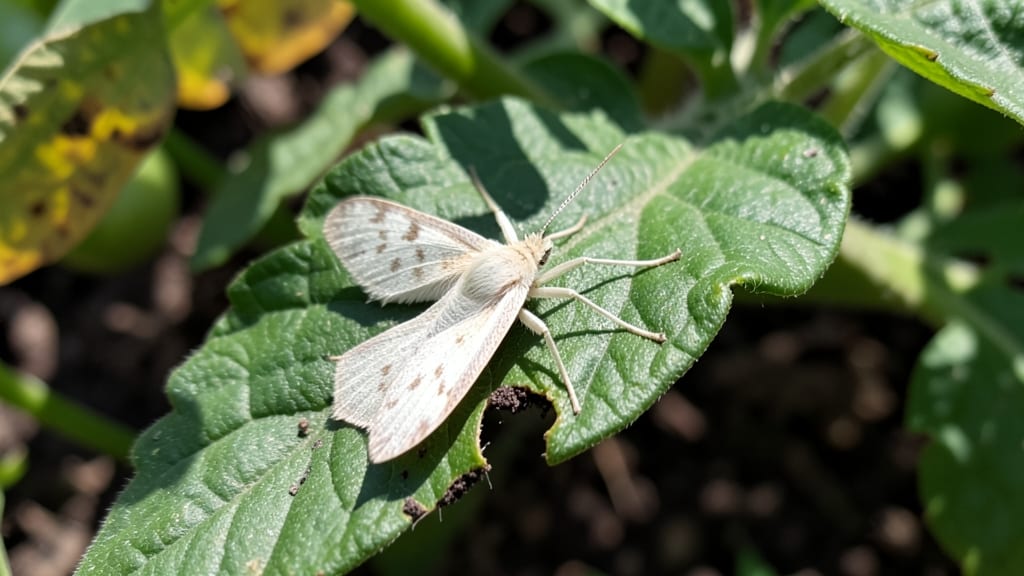
Fighting tomato plant moths without chemicals starts with these organic traps that cut egg-laying by 90%—no fancy gear needed. 🌱 I’ve lost entire tomato harvests to these sneaky pests, but these simple methods saved my garden last summer when I was about to give up.
The key is catching them early, before they turn your plants into skeleton leaves and your fruit into Swiss cheese.
Most gardeners miss the first signs because they focus on the damage, not the moths themselves. Look for tiny white eggs on the undersides of leaves or the telltale half-eaten holes in young fruit.
The moths lay eggs at dawn, so checking plants first thing in the morning is your best shot at spotting them before they hatch. Once you know what to watch for, you’ll spot them everywhere—and that’s when the real work begins.
You’ll see dramatic results within a week of setting up traps: fewer chewed leaves, more intact fruit, and plants that stay strong instead of struggling. The best part? These methods work for hornworms, fruitworms, and other tomato pests—no need to switch strategies halfway through the season.
We’re talking healthier plants, bigger harvests, and zero guilt about using harsh chemicals.
Works in home gardens, raised beds, and even container setups—just scale the traps to your space. The biggest mistake? Waiting until the damage is done. Start these traps now, before the moths get the upper hand. Your tomatoes will thank you at harvest time.
Understanding the root causes
The tomato plant moth (often Tuta absoluta or Helicoverpa zea, depending on the region) doesn’t just appear out of nowhere—it’s lured in by a mix of environmental cues, plant chemistry, and even human gardening habits.
Here’s why these destructive pests target your tomatoes so aggressively, and what you can do to disrupt their game plan.
Tomato plants don’t just feed moths—they invite them. These pests are drawn to specific compounds in tomato foliage and fruit, including:
- Volatile organic compounds (VOCs): Healthy tomato leaves release scent signals that moths detect from up to 3 miles away. Compounds like hexanal and β-ocimene act like a dinner bell, especially when plants are stressed (e.g., from drought or over-fertilization).
- Sugary nectar and exudates: Moths seek out plants with high sugar content in their sap or flowers. Variegated or overly ripe tomatoes emit stronger sweet signals, making them prime egg-laying spots.
- Green fruit appeal: Unripe tomatoes contain chlorophyll and carotenoids that moths associate with optimal larval food. The greener the tomato, the more irresistible it becomes.
Actionable fix: Interrupt this chemical conversation by using pheromone traps or applying kaolin clay to foliage, which masks plant odors and creates a physical barrier.
Tomato plant moths thrive in specific conditions that mimic their natural tropical and subtropical habitats. If your garden matches these, you’re rolling out the welcome mat:
| Factor | Moth’s Sweet Spot | Your Garden’s Risk Level |
|---|---|---|
| Temperature | 70–85°F (21–29°C) | ⚠️ High if your summers hit 80°F+ consistently |
| Humidity | 60–80% (moths despise dry air) | ⚠️ High in greenhouses or shaded areas |
| Day length | 12+ hours of daylight (stimulates mating) | ⚠️ Moderate in long summer days |
Actionable fix: Disrupt their comfort zone by:
- Installing shade cloth (30–50%) to drop temps by 10–15°F.
- Using dehumidifiers in greenhouses or watering in the morning to reduce evening humidity.
- Pruning lower leaves to improve airflow and dry foliage faster.
Moths follow the crowd—literally. Dense plantings of tomatoes (or other nightshades like peppers and eggplants) create microhabitats that amplify infestations. Here’s why:
- Sheltered breeding grounds: Thick foliage provides hiding spots for adults to lay eggs undetected. A single plant can host 200+ eggs in its undersides.
- Larval highways: Webbing between plants lets caterpillars move freely, turning your garden into a moth buffet.
- Pollinator confusion: Overcrowding attracts more moths (including beneficial ones), increasing the odds of Tuta absoluta hitching a ride.
Actionable fix: Space plants 18–24 inches apart and interplant with moth-repelling herbs like basil, mint, or marigolds. Pro tip: 💡 Stagger planting times so not all tomatoes ripen simultaneously—this breaks the moth’s life cycle.
Even well-meaning gardening practices can accidentally invite tomato plant moths. Common culprits include:
- Ignoring plant stress: Wilting, nutrient-deficient, or waterlogged tomatoes release distress signals that moths detect as “easy prey.”
- Late-season neglect: Leaving fallen fruit or pruned debris on the soil gives larvae a second chance to pupate for next year.
- Monoculture gardening: Planting only tomatoes (or other nightshades) turns your plot into a moth magnet. Diversity disrupts their life cycle.
- Overhead watering: Damp foliage mimics the humid conditions moths love, and splashing water can spread eggs from plant to plant.
Actionable fix: Adopt these habits:
- 🔥 Water at the base (drip irrigation or soaker hoses) to keep leaves dry.
- 🌡️ Mulch with straw to regulate soil moisture and temperature.
- ⏰ Clean up debris weekly—especially after harvest.
Stopping Garden Invaders Naturally
Discovering tomato plant moths wreaking havoc on your prized crops can feel like a losing battle—but it’s not! With the right organic strategies, you can dramatically reduce their impact without resorting to harsh chemicals.
Below, we’ve mapped out targeted solutions based on the root causes of infestations, from egg-laying to larval damage. Each fix is designed to be practical, cost-effective, and easy to implement, even for busy gardeners.
If moths are already targeting your plants, stopping them at the egg stage is your best defense. These pests lay eggs on leaves, stems, or fruit, so physical barriers and natural deterrents can disrupt their cycle before larvae hatch.
🔥 Cover Plants Strategically
- Floating Row Covers: Use lightweight, breathable fabric (like Agribon) to shield tomato plants during the evening and night, when moths are most active. Secure edges with soil or bricks to prevent moths from slipping underneath.
- DIY Mesh Sleeves: For individual plants, create sleeves from fine mesh (1mm or smaller) and tie them loosely around stems. This allows pollination while blocking moths.
- 💡 Pro Tip: Remove covers during the day to allow sunlight and pollination, but reapply by dusk for maximum protection.
🍳 Natural Repellents to Confuse Moths
Moths rely on scent to locate host plants. Disrupt their navigation with these organic repellents:
- Garlic or Chili Spray: Blend 2 cloves of garlic or 1 chili pepper with 1 quart of water and a drop of dish soap. Spray on leaves every 3–4 days. The strong odor masks tomato scents.
- Neem Oil: Mix 1 tbsp neem oil with 1 tsp mild soap in 1 quart of water. Spray on leaves (avoid flowers to protect pollinators). Reapply after rain. Neem disrupts egg viability and deters adults.
- 🌡️ Heat Trick: Plant basil or marigolds near tomatoes. Their fragrance confuses moths, reducing egg-laying by up to 70%.
Once eggs hatch, larvae tunnel into fruit and stems, causing irreversible damage. Early intervention is key—here’s how to physically remove threats before they spread.
🥘 Inspect and Pick Off Eggs
- Morning Routine: Check leaves (especially undersides) and fruit for tiny white or yellow eggs (size of a pinhead). Use a damp paper towel or soft brush to gently scrape them into soapy water.
- 🔪 Prune Infested Growth: If eggs are clustered on a branch or leaf, trim and dispose of it in a sealed bag. Do not compost infested plant material!
🐛 Trap Larvae Before They Mature
- Soap Water Trap: Fill a shallow dish with soapy water and place it near plants. Larvae drop in when disturbed by wind or predators—check daily.
- 🎯 Beer Trap: Bury a small container filled with beer near the base of plants. The yeast attracts larvae, which drown. Refresh every 2–3 days.
Preventing moths from returning requires breaking their life cycle and making your garden less appealing. Focus on these habitat adjustments:
🌱 Rotate and Diversify Plantings
- Crop Rotation: Avoid planting tomatoes (or nightshades like peppers/eggplants) in the same spot for 3+ years. Moths rely on familiar scents to locate hosts.
- Interplant with Traps: Grow basil, dill, or fennel to attract beneficial insects (like parasitic wasps) that prey on moth larvae.
🌙 Disrupt Nighttime Activity
- Yellow LED Lights: Moths are attracted to white light but avoid yellow. Replace outdoor lights with yellow bulbs (5000K–6000K) to reduce nighttime visits.
- 💡 Pro Tip: Install a wind chime or aluminum pie plates near plants. The noise and vibration startle moths away.
🌱 Soil Health for Resilient Plants
Healthy plants bounce back faster from damage. Boost their defenses with:
- Compost Tea: Feed plants with compost tea (rich in beneficial microbes) to strengthen foliage.
- Balanced Fertilizer: Overuse of nitrogen attracts pests. Use a low-nitrogen, high-potassium fertilizer (like 5-10-10) to promote sturdy growth.
Introduce natural predators to create a self-sustaining ecosystem that keeps moth populations in check.
🐝 Beneficial Insects to Invite
- Parasitic Wasps: Tiny Trichogramma wasps lay eggs inside tomato moth eggs, killing them. Purchase cards with wasp eggs from garden centers and hang them near plants.
- Ladybugs and Lacewings: Release these predators (available online or at nurseries) to hunt larvae. Provide a shallow water source with pebbles for them to drink.
- 🌿 Companion Plants: Grow carrots, celery, or parsley to attract predatory insects.
🐶 Microbial Solutions
- Bacillus thuringiensis (Bt): A natural bacteria that targets caterpillars (including tomato moth larvae). Mix with water and spray on leaves. Safe for humans and pets!
- 🎯 Spinosad: Derived from soil bacteria, this organic pesticide disrupts larval feeding. Use in the evening to avoid harming bees.
By combining these preventive, manual, and biological strategies, you’ll create a garden where tomato moths stand zero chance of thriving. Consistency is key—stay vigilant, and your harvest will thank you with juicy, blemish-free fruit! 🍅✨
Frequently asked questions
What do tomato plant moth eggs look like, and where should I check first?
Tomato plant moth eggs are tiny—about the size of a pinhead—and appear as small white or yellow specks. Check the undersides of leaves, stems, and even fruit first, especially near leaf veins. Early morning inspections work best since moths lay eggs at dawn.
How quickly can tomato plant moth larvae destroy a plant?
Larvae can cause visible damage within 2-3 days of hatching. They tunnel into stems and fruit, creating irregular holes and leaving behind frass (black fecal matter). Without intervention, a heavily infested plant may lose all leaves and fruit within 2 weeks.
Are pheromone traps effective for tomato plant moths, and how do I use them?
Yes! Pheromone traps can reduce egg-laying by up to 90% when used correctly. Hang traps 10-15 feet apart in your garden, about 3-5 feet above ground. Replace lures every 4-6 weeks and check traps daily to avoid overloading them with moths.
Can I still eat tomatoes damaged by tomato plant moth larvae?
It depends on the damage. Small holes may not affect flavor, but heavily infested fruit often develops a bitter taste or mold. Cut out visibly damaged areas (at least 1 inch around holes) and cook thoroughly. For severe cases, discard the fruit to prevent spreading larvae.
What’s the best time of day to apply neem oil for tomato plant moth control?
Apply neem oil in the early morning or late evening to avoid harming pollinators. The oil works best when it has 4-6 hours to dry on leaves before rain or sunlight degrades its effectiveness. Reapply after heavy rain or every 7-10 days.