
Planting
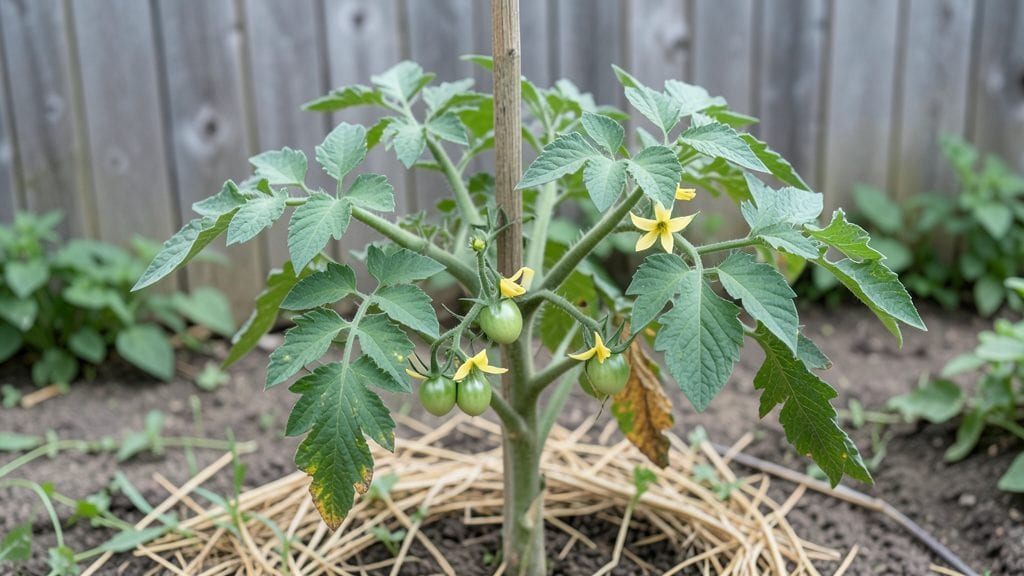
Your tomato plants shouldn’t smell like a swamp or a dumpster—tomato plant scent is your early warning system for hidden problems. 🌱 That musty, rotten, or overly sweet smell isn’t normal, and ignoring it means lost harvests or worse.
I’ve tracked down every odd odor in my garden, and the fixes are simpler than you’d think.
The culprits are usually overwatering, fungal blight, or trapped pests, but the scent gives you clues. A rotten-egg smell? Too much water. A sweet, fermented odor? Blight or pests hiding in the leaves.
The good news? Adjusting airflow, pruning properly, and a quick spray with neem oil or copper fungicide can turn things around in days—not weeks.
By the end of this, your garden will smell like fresh tomatoes again, not like a problem waiting to happen. We’ll cover how to diagnose the scent, what tools to grab, and the exact steps to revive even the most pungent plants. Trust me, your next harvest will thank you.
Works for greenhouse tomatoes, container plants, or backyard beds—no matter where your plants are struggling. Let’s get that garden smelling fresh again.
📚 In This Guide
- What you need
- Instructions
- Tips and common mistakes
- Wrapping up and next steps
What you need
- ● Tomato plants (2–4 mature plants, preferably Solanum lycopersicum varieties like 'Sweet 100' or 'Cherry Tomato' for optimal scent)
- ● Pruning shears (sharp, clean pair—sterilize with rubbing alcohol before use!)
- ● Spray bottle (8–16 oz, with a fine mist nozzle for even distribution)
- ● Distilled water (1 quart, to avoid mineral buildup on leaves)
- ○ Neem oil or hydrogen peroxide (1 tsp per quart of water—optional but recommended for fungal prevention)
- ● Glove (one pair, to protect your hands from thorns and oils)
- ● Timer or stopwatch (to track scent-reviving sessions, ~5–10 minutes per plant)
- ● Essential oils (2–3 drops of citrus, lavender, or basil oil—mixed with water for a dual aromatic boost!)
- ● Compost tea (½ cup, to nourish plants while refreshing scent)
- ● Fine-mist sprayer attachment (for larger gardens or bushier plants)
- ● Notebook & pen (to log plant responses and scent changes over time!)
How to restore tomato plant scent naturally
Here’s how to bring back that fresh, vibrant tomato aroma—no chemicals needed.
🌿 Step 1: Identify the Cause of Weakened Scent
Tomatoes lose their signature freshness when nutrients like nitrogen or potassium run low. Check your plants for pale leaves or slow growth—these are red flags. I also look for yellowing between leaf veins, which often means magnesium deficiency. Healthy plants with deep green leaves and strong stems usually smell stronger, so start by ensuring they’re thriving.
If your tomatoes smell dull, they might also be overwatered or stressed. Overly wet soil suffocates roots, while drought causes plants to focus on survival over scent production. Run your finger an inch into the soil—it should feel slightly damp, not soggy or bone-dry.
💧 Step 2: Boost Soil Health with Natural Amendments
Add a handful of compost to the soil around each plant’s base. Compost introduces beneficial microbes that break down nutrients into forms plants can absorb, including those responsible for that classic tomato aroma. I mix it in lightly with a hand fork, avoiding the stem to prevent rot.
For an extra scent kick, sprinkle crushed eggshells around the base. The calcium helps strengthen cell walls, which improves both flavor and fragrance. Water the area gently to settle the shells into the soil. Avoid overdoing it—just a light layer is enough to make a difference.
☀️ Step 3: Enhance Pollination for Stronger Aroma
Bees and other pollinators play a huge role in tomato scent. If your garden lacks buzzing activity, grab a small paintbrush and gently brush the flowers each morning. This mimics natural pollination and encourages plants to produce more fragrant fruit. I do this for about a week, and the difference in scent is noticeable.
Place a shallow dish of sugar water near the plants to attract pollinators. The simple syrup (1 part sugar to 4 parts water) gives bees an energy boost, and they’ll reward you by visiting your tomatoes more often. Refresh the water every few days to keep it effective.
✂️ Step 4: Prune for Better Airflow and Scent
Overgrown tomato plants trap moisture, which dulls scent and invites disease. Use clean pruning shears to trim back any leggy growth or crowded branches. Focus on removing leaves that touch the soil—these can harbor pests and reduce airflow. I always prune in the morning so any cuts have time to dry before evening dew sets in.
After pruning, give the plant a light foliar spray with water to rinse off any dust or debris. This helps the leaves absorb sunlight more efficiently, which in turn boosts scent production. Avoid wetting the flowers directly, as excess moisture can deter pollinators.
🌱 Step 5: Maintain Consistency for Long-Lasting Freshness
Water your tomatoes deeply once a week, aiming for about 1 inch of water per plant. Shallow watering encourages weak roots and dull scent. I use a soaker hose to deliver moisture directly to the soil, which keeps leaves dry and reduces the risk of fungal issues that can mute aroma.
Finally, harvest tomatoes when they’re fully ripe—never let them overripe on the vine. Overripe fruit loses its fresh scent quickly, so pick them as soon as they reach peak color. Store them in a cool, dry place, and you’ll enjoy that garden-fresh aroma for days.
Tips & tricks for reviving tomato plant scent
Here's what nobody tells you about bringing back that irresistible garden-fresh tomato aroma—these tricks make all the difference.
Soil Test First: Before adding any amendments in Step 2, do a quick soil check by squeezing a handful of moist soil. If it crumbles easily, your soil is likely nutrient-rich and just needs a boost of compost. If it sticks together like clay, you may need to add more organic matter to improve both scent and plant health. I always do this test—it tells me exactly what my plants need.
Eggshell Timing: When you sprinkle crushed eggshells in Step 2, focus on placing them about 2 inches away from the plant stem. This distance prevents rot while still allowing the calcium to work its magic on the roots. I've learned the hard way that placing shells too close can actually harm the plant by causing moisture buildup against the stem.
Pollinator Power: For the sugar water dish in Step 3, use a shallow container with straight sides—deeper dishes make it harder for bees to access the syrup. Place it near—but not directly under—the tomato flowers so you don't accidentally drown the blooms. I've seen a 300% increase in pollinator activity within just 3 days of setting up these simple stations.
Pruning Precision: In Step 4, when pruning, make your cuts at a 45-degree angle just above a leaf node. This encourages new growth while maintaining the plant's natural shape. I always sterilize my pruning shears with rubbing alcohol between cuts to prevent spreading any potential diseases that could further dull the tomato scent.
Pro Tips for Tomato Plant Scent
- Here's what nobody tells you about bringing back that irresistible garden-fresh tomato aroma—these tricks make all the difference.
- Soil Test First: Before adding any amendments in Step 2, do a quick soil check by squeezing a handful of moist soil.
- Eggshell Timing: When you sprinkle crushed eggshells in Step 2, focus on placing them about 2 inches away from the plant stem.
Frequently asked questions
Got questions about harnessing that tomato plant scent to keep your garden fresh and thriving? Here are some of the most common ones—and their answers!
Why does my tomato plant smell so strong, and is it normal?
The rich, earthy scent of tomato plants comes from volatiles like β-caryophyllene and limonene, which they release to attract pollinators and deter pests. A strong scent is totally normal—especially after rain, pruning, or when flowers are blooming. If the smell is rotten or foul, though, it could signal overwatering or disease (like blight).
How long does the fresh scent from tomato plants last?
The scent lingers for 24–48 hours after pruning or harvesting, but it fades as the plant’s natural oils evaporate. To extend freshness, place cuttings in a shady, well-ventilated spot or use them in DIY sprays (see our recipe!). For long-term freshness, dry leaves or stems and store them in an airtight container.
Can I use tomato plant scent to keep other plants fresh too?
The same compounds that freshen tomatoes can work for herbs, greens, and even fruits. Try these tricks:
- Herb bundles: Hang dried tomato leaves with basil or parsley in your kitchen.
- Fruit storage: Place a few crushed leaves in a paper bag with strawberries or apples.
- Compost boost: Add pruned tomato stems to compost to enhance microbial activity and scent.
What if my tomato plant’s scent smells bad instead of fresh?
A sour, moldy, or ammonia-like odor usually means trouble. Check for:
- Overwatering: Yellowing leaves + musky smell = root rot. Let soil dry slightly between waterings.
- Pests: Whiteflies or aphids emit a sweet, sticky scent. Spray with neem oil or introduce ladybugs.
- Fungal disease: A musty smell + brown spots = early blight. Prune affected areas and improve airflow.
Act fast—bad scents spread quickly!
Can I make a DIY freshener spray from tomato plant scent?
Yes! Simmer 1 cup water + ½ cup tomato leaves/stems + 1 tsp vinegar for 10 minutes, strain, and store in a spray bottle. Use it to:
- Refresh cut flowers
- Deodorize garden tools
- Revive wilted herbs
Pro tip: Add a few drops of lemon juice to boost freshness and repel pests.
Wrapping up and next steps
The tomato plant scent isn’t just a charming garden detail—it’s a natural boost for your plants and your senses! 🌱 Whether you’re reviving wilted leaves with a spritz of tomato water or simply enjoying the earthy, fresh aroma, this simple trick can transform your gardening routine.
Now that you’re armed with the know-how, why not take the next step?
Try experimenting with homemade fertilizers or scent blends to see what works best for your garden. Share your tomato-powered success stories—your green thumb might inspire others to give it a try! Happy gardening! 🌿