
Planting
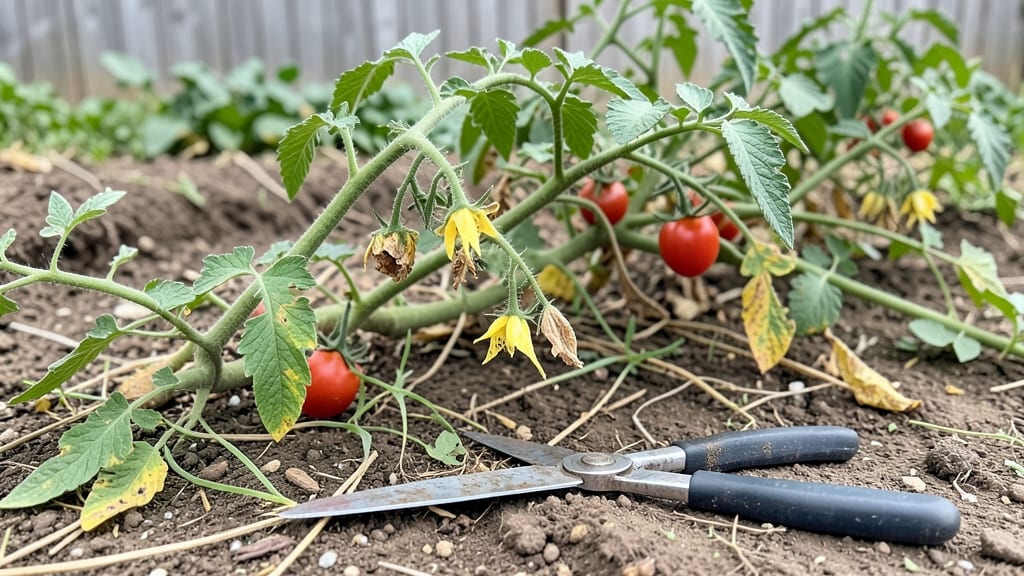
Tomato plant spikes aren’t just weird growth—they’re your plants screaming for help. 🌱 I’ve seen my own tomatoes develop these sharp, jagged growths after pests like spider mites or thrips moved in, and the damage doesn’t stop there.
These spikes mean your plants are stressed, and if you ignore them, your harvest could end up stunted or full of holes.
The good news? You can fix this without harsh chemicals. Start by inspecting your plants for tiny webs (spider mites) or tiny black specks (thrips) on the undersides of leaves.
Prune off any severely damaged foliage with clean scissors, then give your plants a blast of water to knock off pests. For stubborn infestations, try neem oil or insecticidal soap—both work fast and won’t harm your tomatoes.
Once the spikes disappear, focus on prevention: mulch to retain moisture, water at the base (not the leaves), and introduce beneficial insects like ladybugs. Your plants will bounce back stronger, and next season’s tomatoes will be smoother, healthier, and ready for the biggest harvest yet.
Let’s get those spikes under control!
This works for both indoor pots and outdoor gardens, so no matter where your tomatoes grow, you’ll be back on track in no time. The key is acting fast—don’t let those spikes become a permanent problem.
Root Causes Of Plant Spikes
Understanding why tomato plants develop spikes is key to preventing them—and protecting your harvest. These thorny growths aren’t just a quirky plant quirk; they’re a survival mechanism. Let’s break down the top biological and environmental triggers that prompt tomato plants to form defensive spikes.
Some tomato varieties are hardwired to produce spikes as a natural deterrent against pests. This trait is especially common in wild or heirloom varieties, where survival instincts override aesthetics.
- Why it happens: Over centuries, tomatoes evolved in regions with high herbivore pressure (like deer, rabbits, or insects).
Plants with thicker stems and sharper spikes were more likely to thrive, passing these traits to offspring. - Actionable note: If you’re growing cherry tomatoes, Roma, or beefsteak varieties, check their seed packets—some are bred to be spike-prone for durability.
Opt for smooth-stemmed hybrids (like ‘Celebrity’ or ‘Better Boy’) if you prefer thorn-free plants.
Tomato plants sense danger through chemical signals. When pests like hornworms, aphids, or deer nibble on leaves or stems, the plant releases jasmonic acid—a stress hormone that triggers spike formation as a last-resort defense.
- Why it happens: - Physical damage (chewed leaves, stem scrapes) activates the plant’s immune response. - Insect saliva contains compounds that mimic herbivore attacks, prompting spikes. - Overcrowded plants (where pests hide undetected) are more likely to spike aggressively. - Actionable tip: 💡 Monitor your plants daily for early signs of pest activity.
Use neem oil or row covers to reduce stress before spikes form.
Spikes often pop up when tomato plants are struggling to cope with harsh conditions. Heat waves, drought, or nutrient deficiencies force the plant to redirect energy toward defensive structures instead of fruit production.
| Stressor | How It Triggers Spikes | Solution |
|---|---|---|
| Extreme heat | High temps (>90°F) cause osmotic stress, forcing the plant to harden stems. | 🌡️ Mulch heavily and provide afternoon shade. |
| Drought | Water scarcity limits growth, so the plant reinvests in thorns for survival. | ⏰ Water deeply 1–2x/week (1–1.5 inches). |
| Poor soil | Low nitrogen/phosphorus weakens stems, prompting spike growth. | 💪 Amend soil with compost or a balanced fertilizer (10-10-10). |
| Wind exposure | Physical stress from wind can damage stems, triggering defensive spikes. | 🌬️ Use windbreaks or stake plants early. |
While nutrients are essential, excessive nitrogen or potassium can skew a plant’s growth priorities. Instead of producing fruit, the tomato may focus on thick stems and spikes to support its structure.
- Why it happens:
- High nitrogen promotes leafy (foliar) growth over reproductive structures.
- Imbalanced NPK ratios (e.g., too much phosphorus) can stimulate woody growth, including spikes.
- Actionable fix: 🎯 Switch to a low-nitrogen, high-phosphorus fertilizer (like 5-10-10) when flowering begins. Avoid manure—it’s too rich and can overstimulate spike production.
Aggressive pruning—especially removing too many suckers or lateral branches—can stress the plant into producing spikes as a compensatory measure.
- Why it happens: - Removing too many leaves reduces photosynthesis, forcing the plant to harden remaining stems. - Late-season pruning (after flowering) can trigger defensive growth instead of fruit. - Actionable tip: ✨ Prune early and selectively—focus on removing only the lowest suckers (below the first flower cluster).
Avoid topping (cutting the main stem) unless necessary.
Some pathogens (like verticillium wilt or early blight) weaken stems, prompting the plant to reinforce with spikes as a last-ditch effort to survive.
- Why it happens:
- Root rot or stem cankers reduce water/nutrient uptake, causing structural reinforcement.
- Fungal spores on damaged stems can trigger abnormal growth patterns, including spikes.
- Actionable solution: 🔥 Rotate crops annually and sterilize pruners with rubbing alcohol. Remove infected plants immediately to prevent spread.
Spikes aren’t just random—they’re your tomato plant’s SOS signal. By addressing pests, environmental stress, or cultural mistakes, you can minimize spikes and maximize fruit production. Next up: How to Prevent (or Remove) Them Safely—without harming your plants!
Fixing Tomato Plant Spikes Naturally
Tomato plant spikes—those sharp, thorny growths—can feel like a gardener’s worst enemy, but they’re actually a natural defense mechanism your plants use to protect themselves. While they won’t harm your harvest (unless you’re picking tomatoes barehanded!), they can deter pests like deer, rabbits, and even curious cats.
If spikes are becoming a nuisance or you’re dealing with overgrowth, pest damage, or unwanted wildlife, here’s how to manage them effectively—without harming your plants or the environment.
Not all spikes need removal, but if they’re crowding your plants, blocking sunlight, or making harvesting difficult, it’s time to act. The key is selective pruning—only trim what’s necessary to keep your tomatoes thriving.
🔪 Step-by-Step Pruning Guide
- 📏 Identify Problem Areas
- Look for spikes that are growing into your path, toward other plants, or making the stems too dense.
- Focus on lower stems (where you’ll be harvesting) and branches that cross over each other.
- ✂️ Use the Right Tools
- Bypass pruners (for thicker stems) or sharp scissors (for finer branches).
- Sterilize tools with rubbing alcohol to prevent disease spread.
- 🌿 Prune at the Right Angle
- Cut just above a leaf node (where new growth can sprout) at a 45-degree angle.
- Avoid leaving stubs—this prevents rot and pests from nesting.
- 🌞 Post-Pruning Care
- Water deeply to help the plant recover.
- Apply a balanced fertilizer (like 10-10-10) to encourage new, healthier growth.
If spikes aren’t enough to keep critters away, try these low-effort, high-impact solutions:
🛡️ Physical Barriers (Best for Rabbits & Deer)
| Method | How to Do It | Pro Tip |
|---|---|---|
| Chicken Wire Fencing | Wrap 12-inch tall wire around the base of the plant. Bury 6 inches deep to block diggers. | 💡 Solar-powered motion lights at night add extra deterrence! |
| Compost or Straw Mulch | Pile 3-4 inches of organic mulch around the base—animals dislike the texture. | ✨ Bonus: Mulch retains moisture and suppresses weeds! |
| Repellent Sprays | Mix garlic, hot pepper, or rotten eggs in water and spray around (not on) plants. | 🌡️ Reapply after rain—it washes off quickly. |
🐛 Organic Pest Control for Insects
If aphids, hornworms, or spider mites are attracted to your tomatoes (and their spikes), try: - 🍋 Neem Oil Spray – Mix 1 tbsp neem oil + 1 tsp mild soap + 1 quart water.
Spray every 5-7 days until pests vanish. - 🐝 Beneficial Insects – Introduce ladybugs or lacewings (they eat tomato pests but ignore the spikes!). - 🌿 Companion Planting – Surround tomatoes with basil, marigolds, or nasturtiums to confuse pests.
Stop spikes from becoming a problem before they start with these proactive strategies:
- 🌱 Choose Spike-Resistant Varieties
- Some heirloom tomatoes (like ‘Brandywine’ or ‘Cherokee Purple’) have fewer aggressive spikes than others.
- Determinate varieties (bush tomatoes) tend to have less sprawling growth than indeterminate types.
- 🌿 Proper Spacing & Staking
- Plant tomatoes 18-24 inches apart to reduce overcrowding.
- Use tomato cages or sturdy stakes to train vines upward, keeping them off the ground where pests lurk.
- 💧 Consistent Watering & Fertilizing
- Underwatered plants grow weaker, spikier branches.
- Over-fertilizing with nitrogen encourages leafy (not fruity) growth—stick to a balanced 5-5-5 or 10-10-10 formula.
- 🌞 Sunlight & Airflow
- Shady or humid conditions make plants more susceptible to pests and disease.
- Prune lower leaves to improve airflow and reduce hiding spots for bugs.
- ❌ Don’t remove ALL spikes – They protect against pests and sunburn!
- ❌ Avoid chemical sprays near edible parts – Stick to organic or targeted solutions.
- ❌ Don’t ignore natural defenses – If spikes are working, let them be unless they’re truly problematic.
With these simple, plant-friendly fixes, you can keep your tomato plants healthy, pest-free, and spike-managed—so you can focus on what really matters: a bumper crop of juicy, homegrown tomatoes! 🍅🌿
Frequently asked questions
Are tomato plant spikes harmful to my tomatoes?
No, tomato spikes won’t harm your fruit directly, but they can become problematic. The sharp growths won’t damage tomatoes, but they may deter pests like deer or rabbits from munching your plants. However, if spikes grow too densely, they can block sunlight or make harvesting difficult—especially for large varieties like beefsteaks.
Why do some tomato varieties have more spikes than others?
Spike-prone varieties (like many heirlooms) evolved to protect themselves from pests in the wild. Determinate (bush) tomatoes tend to have fewer spikes than indeterminate (vining) types. If you prefer smoother stems, choose hybrids like ‘Celebrity’ or ‘Better Boy,’ which are bred for fewer defensive growths while still being productive.
Can I safely remove tomato plant spikes?
Yes, but do it carefully! Use clean pruners to cut spikes at a 45-degree angle just above a leaf node. Avoid removing all spikes—some help deter pests. Focus on trimming only the most problematic ones, especially those growing toward your path or other plants. Sterilize your tools with rubbing alcohol first to prevent disease spread.
What’s the difference between tomato spikes and thorns?
Tomato "spikes" are actually modified stems or leaf structures that form in response to stress, while true thorns are hardened stem extensions. Both serve as natural defenses, but spikes are more common in stressed plants (due to pests, drought, or poor soil). If you see jagged, leaf-like growths, those are spikes—not true thorns.
Will removing spikes reduce my tomato yield?
Not if done correctly! Pruning spikes properly (selectively and at the right time) won’t harm your harvest—in fact, it can improve airflow and sunlight exposure. However, removing too many spikes too late in the season might stress the plant. Focus on trimming only what’s necessary during early growth stages for best results.