
Planting
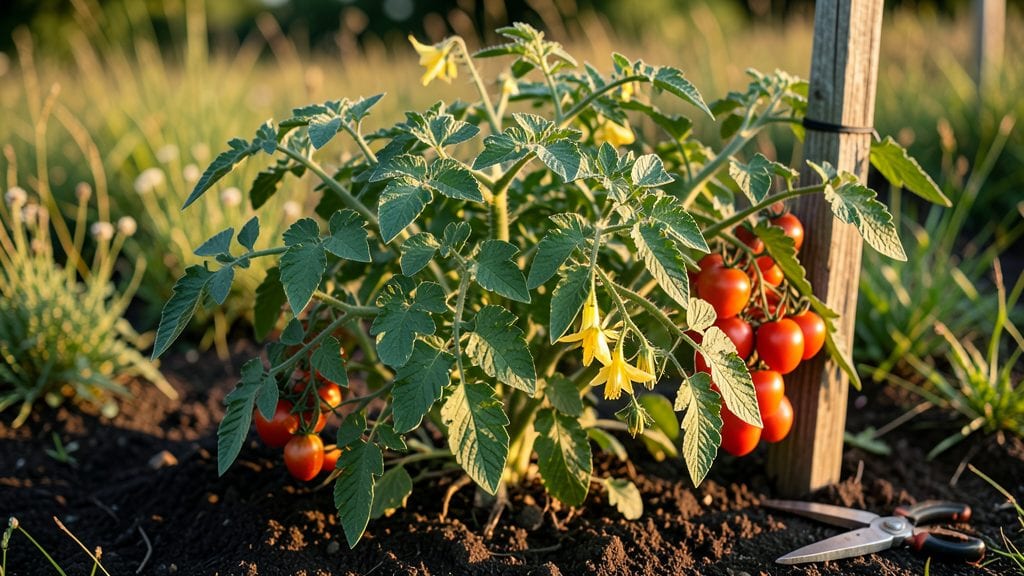
Growing a tomato plant as a tree isn't just clever—it's the secret weapon for small spaces and containers. 🌱 My first attempt with a dwarf 'Tiny Tim' variety turned my balcony into a lush, vine-free tomato jungle, and I've been hooked ever since.
The key is choosing the right dwarf or determinate varieties that naturally grow bushier rather than sprawling.
You'll need sturdy stakes or a cage that's at least 3 feet tall, a well-draining potting mix, and a sunny spot getting 6-8 hours of light daily.
Pruning comes easy once you learn to pinch off suckers (those little shoots in the joint between stem and branch) to encourage upward growth instead of outward sprawl. It takes about 30 minutes to set up and maintain weekly.
By midsummer, you'll have a compact, bushy tomato plant producing fruit right at eye level—no bending required. The flavor stays rich and sweet, just like heirlooms, but with none of the sprawl.
Harvesting becomes a breeze, and your neighbors will ask how you fit so many tomatoes in such a small space.
Works equally well in 5-gallon containers or directly in the ground for small gardens. The same technique extends to peppers and eggplants too. Ready to turn your tomatoes into a vertical masterpiece?
📚 In This Guide
- What you need
- Instructions
- Tips and common mistakes
- Wrapping up and next steps
What you need
- ● Dwarf tomato seeds or seedlings: Choose compact varieties like 'Tiny Tim,' 'Micro Tom,' or 'Balcony Red.' (1-3 plants per container or garden spot.)
- ● Container or garden plot: Containers: 5-gallon pots or larger (minimum 12" deep) with drainage holes. 3-5 containers if growing multiple plants.
- ● Garden: Well-draining soil in a sunny spot (6+ hours of sunlight daily). Space plants 18-24 inches apart.
- ● High-quality potting mix: Lightweight, nutrient-rich blend (e.g., Miracle-Gro Moisture Control or FoxFarm Ocean Forest). 1 bag (1.5–2 cubic feet) per 3-5 plants.
- ● Fertilizer: Balanced fertilizer (10-10-10) or tomato-specific feed: Start with 1 tbsp per plant at planting.
- ○ Slow-release granules (optional): Mix 1 cup per container into soil for steady nutrients.
- ● Support system: Cage or stake: Small tomato cages (5-6 ft tall) or bamboo stakes. 1 per plant.
- ○ Trellis (optional): For vertical growth in containers—use a 3-ft tall wire trellis.
- ● Gloves & trowel: For planting and soil prep.
- ● Watering can or hose with gentle nozzle: Dwarf tomatoes need consistent moisture (1 inch per week).
- ● Pruning shears: To trim suckers and encourage bushiness.
- ○ Mulch (optional): Straw or shredded leaves to retain moisture and suppress weeds.
- ● Pest control (preemptive): Neem oil or insecticidal soap: For aphids or whiteflies.
- ○ Row covers (optional): Protect young plants from pests.
Step-by-Step guide to growing a compact tomato plant tree
Here's how to cultivate a space-saving tomato plant that looks like a tree while producing abundant fruit.
🌱 Step 1: Select the Right Dwarf Variety and Container
Choose a dwarf tomato variety like 'Tiny Tim' or 'Micro Tom'—these stay under 3 feet tall and thrive in containers. Your 5-gallon fabric grow bag (or 12-inch diameter pot) gives roots room to stretch while keeping the plant manageable. Fabric pots prevent root circling and allow excess water to evaporate through the walls.
Fill the container with 2 gallons of lightweight potting mix mixed with 1 cup perlite for drainage. Avoid garden soil—it compacts and suffocates roots. Tap the pot gently to settle the mix without packing it down. The goal is fluffy, aerated soil that holds moisture but drains freely.
🪴 Step 2: Plant and Prune for a Tree-Like Structure
Plant your seedling at the same depth it grew in its nursery pot, burying the stem up to the first set of leaves. This encourages stronger root growth. Immediately prune the main stem just above the third leaf from the bottom. This forces side branches to develop, creating your "tree" shape.
Remove any suckers (small shoots in the leaf axils) that appear later—these drain energy from fruit production. Leave only 2-3 strong stems growing upward. Use clean pruning shears to cut at a 45-degree angle just above a leaf node. This prevents disease from entering the wound.
☀️ Step 3: Provide Support and Optimal Growing Conditions
Install a 4-foot bamboo stake in the center of your container and tie the main stems loosely with soft plant ties. As the plant grows, weave the branches through the stake to create a natural tree shape. Avoid tight ties—they can girdle stems as the plant thickens.
Place your tomato in full sun (at least 6-8 hours daily) and keep soil consistently moist. Water at the base early in the morning to reduce evaporation. You'll know it's time to water when the top inch of soil feels dry to your fingertip. Fertilize every 2 weeks with ½ teaspoon of balanced 10-10-10 fertilizer dissolved in water.
✂️ Step 4: Maintain and Harvest for Continuous Production
Prune regularly to maintain an open, airy structure. Remove any yellow leaves immediately—they signal disease or pest stress. Pinch off flowers on the first 6 inches of stem to encourage bushier growth. Once the plant reaches your desired height, stop pruning upward to redirect energy to fruit production.
Harvest tomatoes when they're fully colored and slightly soft to touch. Pick in the morning when sugars are highest. A well-maintained dwarf tomato tree produces 20-30 fruits per season, perfect for small spaces. Save seeds from your best tomatoes for next year by fermenting the pulp in a jar for 3-5 days before rinsing and drying.
Tips & tricks for perfect tomato plant trees
Creating a compact tomato plant tree takes patience and precision—here’s how to avoid common pitfalls and get the best results from your small-space garden.
Pruning Precision: When you prune the main stem just above the third leaf in Step 2, make sure your cuts are clean and at a 45-degree angle. This prevents water from pooling on the wound, which can lead to disease. I also recommend sterilizing your pruning shears with rubbing alcohol between cuts to keep your plant healthy.
Support Strategy: The 4-foot bamboo stake in Step 3 is your plant’s backbone, but how you attach it matters. Use soft plant ties and adjust them as the stems thicken—tight ties can actually strangle the plant over time. I like to check ties every week during the growing season to ensure they’re loose enough to allow growth.
Watering Wisdom: Keeping the top inch of soil dry to the touch is key, but timing matters too. Watering in the early morning gives foliage time to dry before evening, reducing fungal risks. I’ve found that using a moisture meter helps avoid over- or under-watering, especially in containers where soil dries out faster.
Fertilizer Timing: The 2-week schedule for ½ teaspoon of 10-10-10 fertilizer is perfect, but don’t apply it when the soil is dry. Always water first to help distribute nutrients evenly. I also recommend cutting back on fertilizer after the first fruit sets—too much nitrogen late in the season can reduce fruit quality.
Pro Tips for Tomato Plant Tree
- Creating a compact tomato plant tree takes patience and precision—here’s how to avoid common pitfalls and get the best results from your small-space garden.
- Pruning Precision: When you prune the main stem just above the third leaf in Step 2, make sure your cuts are clean and at a 45-degree angle.
- Support Strategy: The 4-foot bamboo stake in Step 3 is your plant’s backbone, but how you attach it matters.
Frequently asked questions
Got questions about growing a tomato plant tree? You’re not alone! Whether you’re a container gardener or just curious about these space-saving wonders, here are some common queries—and their answers.
Can a tomato plant tree grow indoors?
A tomato plant tree can thrive indoors with the right setup! Choose a dwarf variety like ‘Tiny Tim’ or ‘Micro Tom,’ place it near a sunny window (or under grow lights), and ensure it gets 6–8 hours of light daily. Use a self-watering pot to maintain moisture, and rotate the plant weekly for even growth. Just avoid drafts—tomatoes hate cold surprises!
How long does it take for a tomato plant tree to produce fruit?
Patience is key! Most dwarf tomato trees start flowering in 4–6 weeks after transplanting and produce fruit in 8–12 weeks, depending on the variety and growing conditions. For faster results, opt for early-maturing types like ‘Patio Princess’ or ‘Balcony Red.’ Keep an eye out for yellowing leaves—this could mean it’s time to fertilize!
Do tomato plant trees need pruning?
Yes, but don’t go overboard! Prune suckers (the small shoots in the leaf axils) to encourage bushier growth and more fruit. For indeterminate varieties, trim the top leaves once the plant hits your desired height to redirect energy. Pro tip: Use clean scissors and prune in the morning to reduce disease risk. Just avoid heavy pruning late in the season—you want those tomatoes!
What if my tomato plant tree isn’t fruiting?
No tomatoes? Don’t panic! Check these fixes:
- Light: Is it getting enough sun? Move it to a sunnier spot or add grow lights.
- Water: Too much or too little can stress the plant. Aim for consistent moisture (1–2 inches per week).
- Fertilizer: A balanced, tomato-specific fertilizer can boost production. Try a slow-release option or liquid feed every 2–3 weeks.
- Pollination: Gently shake the plant or use a small brush to help pollinate flowers.
Can I grow a tomato plant tree in a small apartment balcony?
Dwarf tomato trees are perfect for balconies, patios, or even windowsills. Use a 5-gallon container with drainage holes, a lightweight potting mix, and a trellis or cage for support. Just ensure the pot gets full sun (6+ hours) and protect it from strong winds. Bonus: Rotate the pot weekly for even growth, and enjoy fresh tomatoes without the space!
Wrapping up and next steps
Growing a tomato plant tree with dwarf varieties is a rewarding way to enjoy fresh, homegrown tomatoes—whether in cozy containers or small gardens! 🌱 With the right dwarf variety, proper care, and a little patience, you’ll soon be harvesting juicy, flavorful tomatoes that taste better than anything store-bought.
The key is consistency in watering, pruning, and providing support, so don’t hesitate to experiment and find what works best for your space.
Ready to take the next step? Start small—plant a seed or a young sapling today! Watch your tomato plant tree flourish, and soon you’ll be sharing your bountiful harvest with friends and family. Happy gardening! 🍅✨