
Pruning
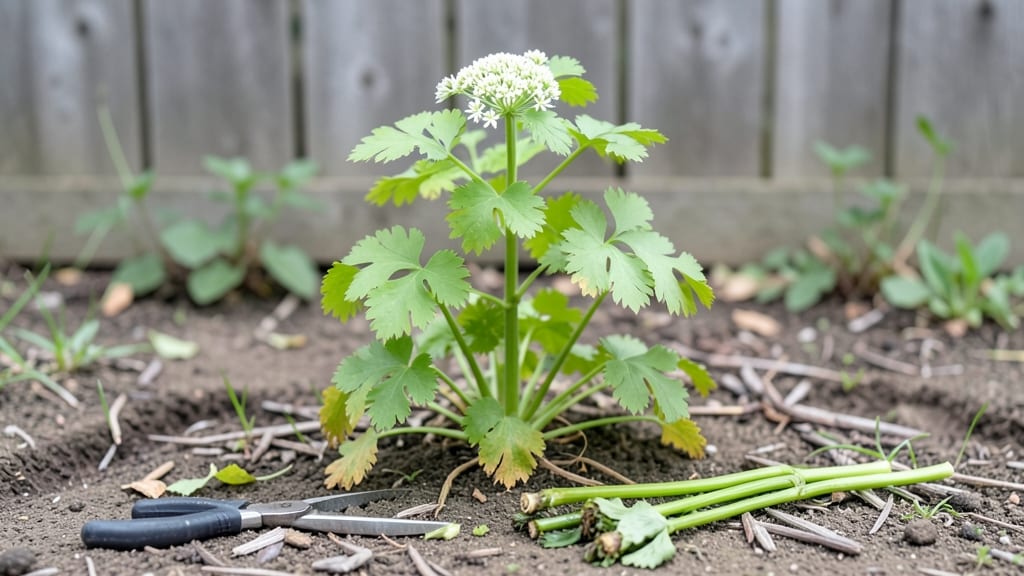
Trimming cilantro plants keeps them lush and productive for months instead of bolting in weeks. ✨ I used to harvest once and watch my plants turn bitter and flowery within days—until I learned the simple trimming trick that turns cilantro into a year-round kitchen staple.
The secret is cutting just right: snip the outer stems about 1/3 down, leaving the inner leaves and growth points intact. You’ll need clean scissors or pruners, and a sunny windowsill or garden spot where the plant gets 4-6 hours of light daily.
This method works for both potted cilantro and in-ground plants, and you can start harvesting again in just 2-3 weeks.
What you end up with is a bushier plant that keeps producing tender, flavorful leaves instead of shooting up to seed. The flavor stays bright, the stems stay thick, and you’ll have enough to garnish meals for weeks without buying a single bunch from the store.
Plus, those trimmings? Toss them in compost or blend into pesto for zero waste.
Fair warning: don’t cut too close to the base or you’ll stunt new growth, and never trim more than 1/3 at a time. With this approach, my cilantro plants stay productive through summer’s heat and even overwinter in mild climates. Ready to turn your cilantro into a garden workhorse?
📚 In This Guide
- What you need
- Instructions
- Tips and common mistakes
- Wrapping up and next steps
What you need
- ● Sharp pruning shears or scissors: Choose a pair with clean, sterilized blades (alcohol wipe or boiling water works). Avoid dull tools—they crush stems instead of cutting cleanly.
- ● Cilantro plants: Healthy, mature plants (at least 6–8 inches tall) with visible stems and leaves. Pro tip: Pick plants that have bolted (flowered) if you want to encourage leafy regrowth!
- ● Watering can or spray bottle: For post-trimming hydration. A gentle spray helps reduce stress on the plant.
- ● Compost bin or kitchen scraps container: To repurpose trimmed cilantro stems and leaves (they’re still edible or nutritious for compost!).
- ● Gloves: Protect your hands from prickly stems or dirt, especially if you’re trimming outdoors.
- ● Labeling tags or markers: If you’re growing multiple herbs, label your cilantro to avoid mix-ups.
- ● Organic fertilizer (balanced or nitrogen-rich): Like fish emulsion or compost tea, to give your plant a post-trim boost.
- ● Shade cloth or temporary cover: If trimming in hot weather, shield your plant for a few hours afterward to prevent stress.
Step-by-Step instructions for trimming cilantro plants
Revitalize your cilantro with these simple cuts—you’ll get bushier growth and more harvests.
✂️ Step 1: Wait for the Right Time to Trim
Hold off until your cilantro has at least 6-8 inches of growth and 4-6 true leaves—this ensures the plant has enough energy to regrow. You’ll know it’s ready when the stems feel sturdy and the leaves are vibrant green. Trimming too early stresses the plant and can stunt future growth.
Focus on cutting just above a set of leaves where the stem meets the main branch. This is where new growth will sprout. Avoid trimming when the plant is flowering or bolting—those stems won’t regrow well, and the flavor becomes bitter.
✂️ Step 2: Use Sharp Scissors or Pruning Shears
Grab your clean, sharp scissors or pruning shears—dull blades crush stems and invite disease. Cut at a 45-degree angle about ½ inch above a leaf node (the point where leaves attach to the stem). This angle helps water run off instead of pooling and rotting the stem.
Don’t snip too close to the base—cilantro regrows best from the middle stems. If you cut all the way down, the plant may never recover. I like to leave at least 2-3 inches of stem below my cut to encourage bushiness.
🌿 Step 3: Trim Strategically for Bushier Growth
Focus on the outer leaves and the tallest stems first—these are the oldest and won’t regrow as well. Cutting them encourages the plant to put energy into the inner, younger stems. You’ll see new leaves sprouting within 5-7 days if you’ve trimmed correctly.
For a fuller plant, make 2-3 cuts per stem, spacing them evenly. Avoid over-trimming—never remove more than ⅓ of the plant at once. Cilantro is resilient, but it won’t bounce back from aggressive pruning. Think of it like giving your plant a haircut—just enough to shape it, not a buzz cut.
💧 Step 4: Water and Fertilize After Trimming
Give your cilantro a deep watering right after trimming to help it recover. The roots need moisture to support new growth, especially if you’ve cut back the leaves. Water until 1 inch of soil feels damp—not soggy, just moist.
Add a balanced liquid fertilizer (like 10-10-10) diluted to half strength. This gives your cilantro a quick nutrient boost to regrow faster. I like to fertilize every 2 weeks during the growing season, but after trimming, it’s worth doing it sooner. Watch for new leaves in 7-10 days—that’s your sign it’s working.
☀️ Step 5: Keep Conditions Ideal for Regrowth
Place your cilantro in bright, indirect light for the next week—direct sun can stress the plant while it recovers. If you’re growing indoors, a south-facing window is perfect. Too little light, and the stems will stretch and weaken.
Keep the soil consistently moist but not waterlogged. Stick your finger 1 inch into the soil—if it’s dry, water again. Avoid cold drafts or sudden temperature swings, which can shock the plant. Within 2-3 weeks, you’ll have a bushier, more productive cilantro ready for another harvest.
Tips & tricks for perfect cilantro regrowth
Here's how to turn a single trim into a fuller, more productive cilantro plant every time.
Timing is Everything: I learned this the hard way after ruining three batches—cilantro needs that 6-8 inch height and 4-6 true leaves before you trim. The plant stores energy in its stems, and cutting too early means it won't have enough reserves to regrow. Think of it like a savings account: you need to build up those reserves before making withdrawals.
The Cutting Angle Matters: That 45-degree angle in Step 2 isn't just for show—it creates a larger surface area for water to evaporate, preventing rot. Plus, it helps direct water away from the stem. I use my kitchen scissors for this because they're sharp enough to make clean cuts without crushing the stem. If you're using garden shears, make sure they're clean and well-oiled to prevent disease transfer between cuts.
Strategic Trimming for Bushier Growth: When you focus on the outer leaves and tallest stems first, you're essentially telling the plant, "I want you to focus your energy here." This creates a natural bushier shape. Pro tip: Make your 2-3 cuts per stem at slightly different heights—this creates a tiered look and encourages more branching. Just remember, never take more than ⅓ of the plant at once—cilantro is tough but not indestructible.
Post-Trim Care Makes All the Difference: After trimming, your cilantro is like a sprinter after a race—it needs proper recovery. That deep watering until 1 inch of soil feels damp is crucial, especially if you've removed a lot of leaves. I also like to give the soil a light misting with water mixed with a pinch of seaweed fertilizer (optional but helpful) to give it a quick nutrient boost. The bright, indirect light for the first week is non-negotiable—direct sun will stress the plant while it's recovering.
Pro Tips for Trimming Cilantro Plant
- Here's how to turn a single trim into a fuller, more productive cilantro plant every time.
- Timing is Everything: I learned this the hard way after ruining three batches—cilantro needs that 6-8 inch height and 4-6 true leaves before you trim.
- The Cutting Angle Matters: That 45-degree angle in Step 2 isn't just for show—it creates a larger surface area for water to evaporate, preventing rot.
Frequently asked questions
Got questions about keeping your cilantro thriving? Here are answers to the most common ones—so you can snip with confidence and grow like a pro!
When is the best time to trim cilantro for regrowth?
Trim cilantro when it’s 6–8 inches tall and has at least 6–8 leaves. Early morning is ideal—cooler temps reduce stress, and the plant recovers faster. Avoid trimming right before bolting (flowering), as this can stress the plant further. Pro tip: Regular light trims (every 3–4 weeks) encourage bushier growth!
How much of the cilantro plant should I cut off?
Leave about 1–2 inches of growth above the soil to encourage regrowth. Cut just above a leaf node (the bump where leaves grow) to stimulate new shoots. For established plants, you can remove up to ⅓ of the plant at a time without harming it. Warning: Over-trimming (more than ⅓) may stunt regrowth.
What should I do if my cilantro bolts after trimming?
Bolting (flowering) is often triggered by stress, heat, or age. If it happens, harvest the stems and seeds—they’re still edible! For future plants, grow cilantro in cooler weather (50–75°F), use shade cloth in hot climates, and keep soil consistently moist. Bonus: Cilantro seeds (coriander) are great for spice blends!
Can I trim cilantro and still use the cuttings?
Trimmed cilantro is perfect for cooking—just rinse and pat dry. Use stems in soups, salads, or garnishes, and leaves in salsas, guacamole, or stir-fries. Quick tip: Store cuttings in a sealed container with a damp paper towel to keep them fresh for up to a week.
What if my cilantro doesn’t regrow after trimming?
Check these fixes:
- Over-trimming (leave more growth next time),
- Poor soil (add compost or fertilizer),
- Heat stress (move to partial shade), or
- Pest damage (inspect for aphids or spider mites). If all else fails, propagate from cuttings—place stems in water until roots form, then transplant!
Wrapping up and next steps
Trimming your cilantro plant isn’t just about keeping it tidy—it’s your secret weapon for bigger, bushier harvests and fresher flavors! 🌿 With the right tools, timing, and technique, you’ll enjoy a steady supply of vibrant greens all season long.
Whether you’re a beginner or a seasoned gardener, every snip is a step toward a thriving herb garden.
Ready to put your new skills to work? Grab those shears and start clipping! 🌱 For extra inspiration, check out how to revive bolting cilantro or explore other herb-pruning hacks to keep your kitchen garden flourishing.