
Pruning
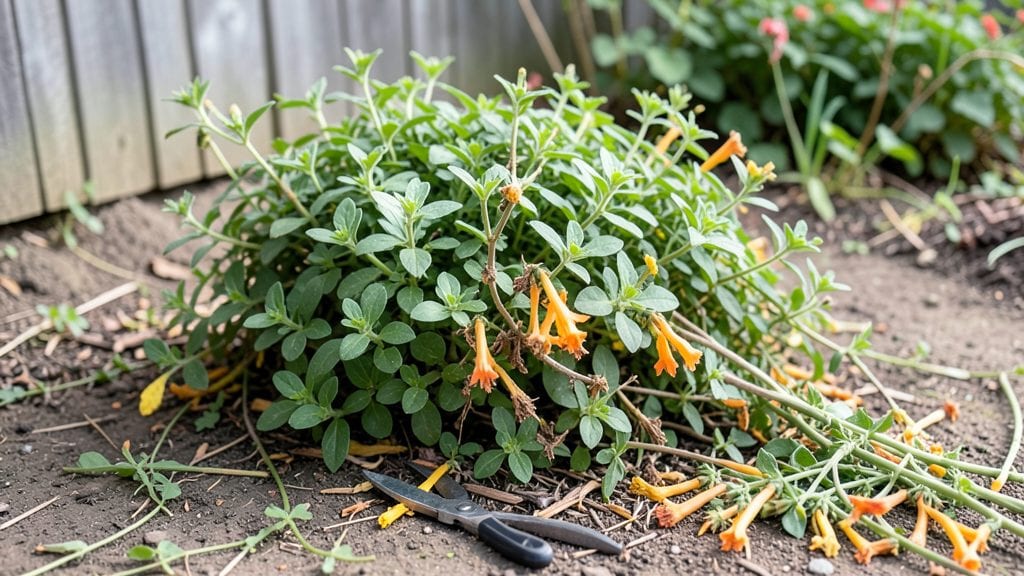
Trimming lantana plants transforms a leggy, sparse shrub into a nonstop blooming powerhouse—the key is cutting back at the right time and in the right way. 🌿 I’ve learned that most gardeners either prune too late or too aggressively, both of which rob lantanas of their natural ability to produce flowers.
The secret lies in a three-step method that encourages dense growth while keeping the plant compact and productive.
You’ll need just three basic tools: sharp bypass pruners for clean cuts, heavy-duty gloves to protect against those tiny but sharp leaves, and a small bucket to collect clippings.
Timing matters most—prune right after flowering (late summer or early fall in most climates) to remove spent blooms and shape the plant before winter dormancy. Avoid cutting into woody stems, as lantanas bloom best on new growth from softer wood.
The payoff is immediate: within 2-3 weeks, you’ll see fresh green shoots pushing out from the pruned areas, followed by a fresh wave of vibrant blooms by early spring.
Proper trimming also keeps lantanas from becoming unruly, making them ideal for borders, containers, or even as a drought-tolerant ground cover that thrives in full sun. This method works year-round in warm climates but focuses on late-season pruning in cooler regions.
Common mistakes like shearing too close to the base or waiting until winter can stunt growth, so we’ll cover those pitfalls—and how to recover from them. For now, grab your pruners and let’s get started on a lantana that stays lush, blooms continuously, and becomes the showstopper of your garden.
📚 In This Guide
- What you need
- Instructions
- Tips and common mistakes
- Wrapping up and next steps
What you need
- ● Pruning shears or bypass pruners – Choose sharp, bypass-style shears (4–6 inches) for clean cuts on stems up to ½ inch thick. Dull blades crush stems, inviting disease.
- ● Loppers – For thicker stems (½–1½ inches), opt for bypass loppers with a 4–6 foot reach for hard-to-access branches.
- ● Hand pruners (felco or similar) – A must-have for precision trimming on smaller stems. Look for an anvil-style if you’re working with woody growth.
- ● Heavy-duty gloves – Thick, cut-resistant gloves (gardening or pruning-specific) to protect against thorns and sap.
- ● Disinfectant (rubbing alcohol or 10% bleach solution) – 1 part bleach to 9 parts water to sterilize tools between cuts and prevent bacterial spread.
- ● Buckets or trash bags (2–3) – For collecting pruned branches and debris. A 5-gallon bucket works well for clippings.
- ● Hose with nozzle – To clean tools and rinse off sap after trimming.
- ● Long-handled pruning saw – For extra-thick lantana stems (over 1½ inches). A bow saw or pruning saw with a curved blade is ideal.
- ● Extension pole pruners – If your lantana is tall or in hard-to-reach spots, a 10–12 foot pole with pruners attached saves time and effort.
- ● Plant food or fertilizer – A balanced 10-10-10 or slow-release granular fertilizer to nourish your lantana post-pruning.
- ○ Mulch (optional but recommended) – 2–3 inches of organic mulch (like pine straw or shredded bark) to retain moisture and suppress weeds.
- ● Safety goggles – Protects eyes from debris, especially if you’re trimming near your face or in windy conditions.
- ● Check the weather – Trim on a dry, overcast day to avoid stressing the plant. Avoid trimming in extreme heat or cold.
- ● Identify dead/diseased branches – Remove these first to prevent spreading issues to healthy growth.
- ● Wear long sleeves and pants – Lantana thorns can be surprisingly sharp—protect your skin!
- ● Work in stages – If your lantana is large, break the job into 2–3 sessions to avoid overwhelming the plant.
Step-by-Step instructions for trimming lantana plants
Here's how to keep your lantana full, flowering, and healthy with minimal effort.
✂️ Step 1: Identify and Remove Dead or Diseased Growth
Start by scanning your lantana for any brown, blackened, or mushy stems—these are dead or diseased and need immediate removal. I grab a pair of clean, sharp pruners and cut just above a healthy leaf node or bud. This ensures new growth can sprout from that spot.
Don't worry if you accidentally snip a few green stems—lantana is tough. The key is to focus on anything that looks crispy or slimy, as these can spread problems to the rest of the plant. Work your way around the plant, making small cuts rather than yanking branches.
✂️ Step 2: Prune for Shape and Encourage Bushiness
Now for the fun part—shaping! Lantana blooms best when it's compact, so I trim back any leggy stems by about one-third of their length. Cut just above a leaf node where new growth can emerge. This encourages the plant to branch out and fill in.
For a fuller look, pinch off the tips of new growth if your lantana is getting too tall. You'll see side shoots start to form within 2-3 weeks—that's your signal it's working. If you're growing lantana in a container, trim the outer stems to keep it from becoming top-heavy.
☀️ Step 3: Lighten Up the Center for Airflow and More Blooms
Lantana loves sunlight, but too much shade in the center can lead to sparse flowering. I reach into the middle of the plant and trim back any stems that are growing inward. This opens up the center, allowing sunlight to reach all parts and encouraging more blooms.
You'll know you've done it right when you see new growth pushing outward from the center. Avoid cutting into old wood—lantana blooms on new growth, so focus on the fresher stems. After trimming, give your plant a light drink of water to help it recover.
⏰ Step 4: Time Your Trims for Continuous Color
For nonstop blooms, I trim my lantana every 4-6 weeks during the growing season. This keeps the plant compact and encourages fresh flower clusters. If you live in a warmer climate, you can trim year-round, but in cooler areas, hold off until spring.
Watch for new buds forming after each trim—that's your reward for keeping up with it. Lantana is forgiving, so don't stress over perfection. Just focus on removing dead growth, shaping for fullness, and opening up the center for airflow and sunlight.
Tips & tricks for perfectly trimmed lantana plants
Here's what nobody tells you about keeping your lantana blooming like crazy with minimal effort.
The Pruning Angle: When you're cutting back those leggy stems in Step 2, make your cuts at a 45-degree angle just above a leaf node. This little detail prevents water from pooling on the cut and encourages faster new growth. I learned this the hard way after noticing my plants took forever to recover from straight cuts.
Tool Prep Matters: Before you start, give your pruners a quick wipe with rubbing alcohol or soapy water. Clean tools prevent spreading disease from any infected stems you might encounter in Step 1. I keep a small bottle of rubbing alcohol in my gardening toolkit just for this purpose—it takes 10 seconds and saves headaches later.
Seasonal Timing Tip: In Step 4, those 4-6 week intervals work best when you start right after the first big flush of blooms. This gives your plant time to recover and produce another round of flowers. I mark my calendar with a reminder every 5 weeks during growing season to stay on track.
Container Care: If you're working with container-grown lantana, trim the outer stems first to maintain balance. This prevents your plant from becoming top-heavy, which can lead to tipping over. After trimming, give the container a gentle shake to check stability—you'll be surprised how much difference this makes!
Pro Tips for Trimming Lantana Plants
- Here's what nobody tells you about keeping your lantana blooming like crazy with minimal effort.
- The Pruning Angle: When you're cutting back those leggy stems in Step 2, make your cuts at a 45-degree angle just above a leaf node.
- Tool Prep Matters: Before you start, give your pruners a quick wipe with rubbing alcohol or soapy water.
Frequently asked questions
Got questions about trimming your lantana plants?
You’re not alone! Whether you're a first-time gardener or a seasoned pro, these common queries will help you keep your lantana thriving with minimal stress. Here’s what you need to know:
When is the best time to trim lantana plants?
Trim lantana after flowering (late spring to early summer) to encourage new growth and more blooms. Light pruning can also happen in early spring to shape the plant. Avoid heavy cuts in fall or winter—they won’t recover well in cooler months. Pro tip: Deadhead spent flowers regularly for continuous blooms!
How much can I cut back lantana without harming it?
Lantana is tough! You can safely prune up to ⅓ of the plant’s height at a time. For bushier growth, trim just above a leaf node (where leaves meet the stem). Over-pruning won’t kill it, but it may slow down flowering temporarily. Think of it like a haircut—too short, and it takes time to bounce back!
Why does my lantana look leggy after trimming?
Leggy growth usually means it needs more light or nutrients. After pruning, place your lantana in full sun (6+ hours daily) and fertilize lightly with a balanced 10-10-10 formula. Pinch back new growth tips to encourage branching. If soil is poor, amend with compost—lantana loves to feed!
Can I propagate lantana from trimmings?
Use healthy, disease-free cuttings (4–6 inches long) from new growth. Remove lower leaves, dip in rooting hormone (optional), and plant in moist potting mix. Keep soil warm and humid (use a plastic bag as a mini greenhouse). Roots should form in 2–4 weeks. Bonus: Propagating is free and fun!
Will trimming lantana affect pollinators?
Not if done right! Avoid heavy pruning during peak bloom (spring/summer) to keep nectar-rich flowers for bees and butterflies. Leave some spent blooms for seed-eating birds, and trim selectively to maintain flower clusters. Lantana is a pollinator magnet—just be mindful of timing!
Wrapping up and next steps
Trimming your lantana plants doesn’t have to be a daunting task—with the right tools and techniques, you’ll enjoy vibrant blooms year-round while keeping your garden looking its best! 🌸 The key is consistency, patience, and a little love for your green friends.
Whether you’re a seasoned gardener or just starting out, these steps will help you master the art of pruning.
Now that you’re armed with knowledge, grab those shears and get pruning! Start small—even a few minutes a week makes a difference—and watch your lantana thrive. Need extra inspiration? Join a local gardening group or share your progress online for tips and encouragement. Happy gardening! 🌿✨