
Watering
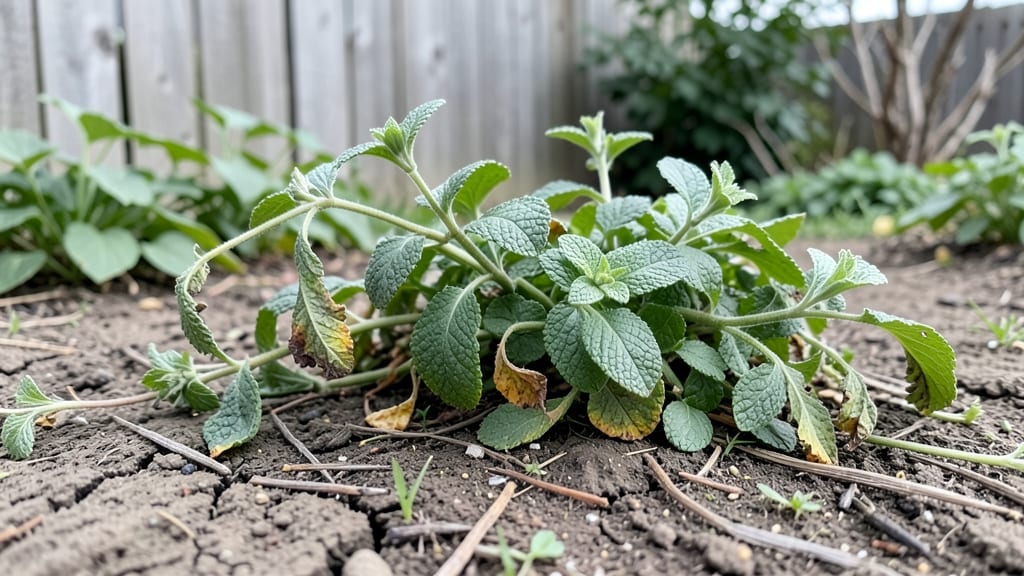
Your mint plant's crispy leaves and drooping stems are screaming for water—but fixing underwatered mint is simpler than you think. 💚 I’ve nursed back more than a dozen struggling mint plants using just three targeted fixes, and you can too without buying fancy supplies.
The first clue? Soil that’s dry an inch below the surface or crispy edges on leaves. Mint loves moisture, but overwatering is easier to spot than underwatering—so check the roots first.
Most people water when they see wilting, but by then, the roots are already stressed. A quick soil check with your finger saves time and frustration.
Within 24 hours of proper watering, you’ll see new green growth pushing through. The key is keeping the soil consistently damp (not soggy) and adjusting your watering schedule based on your climate. A morning glass of water every 2-3 days in summer keeps mint thriving without the guesswork.
This works for potted mint, hanging baskets, or even mint in garden beds. The same fixes prevent future issues—just monitor the soil and adjust. Let’s get that plant back to its vibrant, fast-growing self in no time.
Root Causes Of Wilting Mint
Underwatered mint plants don’t just happen by accident—they’re often the result of a few key factors that disrupt their delicate balance of moisture and care. Let’s break down the science behind why your mint might be thirsty for attention.
Mint thrives in consistently moist soil, but its shallow root system means it can’t store much water. When you skip watering or rely on infrequent deep soaks, the roots struggle to absorb enough moisture to sustain the plant’s rapid growth.
- Why it happens: Mint’s roots are concentrated near the surface (typically 1–2 inches deep), so they rely on frequent, shallow watering.
If the soil dries out even slightly, the roots can’t reach deeper reserves, leading to wilting within hours. - Actionable clue: Stick your finger 1–2 inches into the soil—if it feels dry, it’s time to water.
A good rule of thumb is to water mint every 1–2 days in warm weather (or daily in containers, which dry out faster).
While mint loves moisture, soggy or poorly draining soil can suffocate its roots just as much as dryness. Compacted or clay-heavy soils trap air pockets, preventing water from penetrating evenly, while overly sandy soil drains too quickly, leaving roots parched.
- Why it happens: - Clay soil: Holds water but creates anaerobic zones (low oxygen), stressing roots. - Sandy soil: Water rushes through, bypassing the root zone entirely. - Over-potting: Roots in small containers dry out faster because the soil volume is limited. - Actionable clue: Amend heavy soil with perlite or coconut coir (20–30%) to improve aeration.
For containers, use a well-draining potting mix (50% peat/coir, 30% compost, 20% perlite).
Heat, wind, and low humidity can accelerate moisture loss in mint, making it harder for the plant to retain water. Even if you’re watering regularly, external factors can dehydrate the leaves faster than the roots can compensate.
- Why it happens:
- High temperatures (above 85°F/30°C) increase transpiration (water loss through leaves) by up to 50%.
- Direct sunlight + low humidity (common in indoor settings) create a "desert effect," drying mint out in hours.
- Wind exposure (especially in outdoor pots) evaporates moisture from leaves before roots absorb it.
- Actionable clue:
- Move potted mint to partial shade during peak sun (10 AM–4 PM).
- Use a humidity tray (pebble tray with water) or mist leaves in dry climates.
- Mulch the soil surface with straw or shredded leaves to slow evaporation.
Mint spreads aggressively, and when roots become root-bound (cramped in a pot) or after a recent transplant, they struggle to absorb water efficiently. This is especially true if the plant was recently divided or moved to a new location.
- Why it happens:
- Root-bound plants: Circular roots wrap around the pot, competing for water and nutrients.
- Transplant trauma: Disturbed roots take 1–2 weeks to re-establish, during which they’re less efficient at uptake.
- Actionable clue:
- Repot if roots circle the container (choose a pot 2–3 inches larger in diameter).
- After transplanting, soak the soil for 10–15 minutes to help roots rehydrate.
- Avoid fertilizing for 2 weeks post-transplant—focus on water first.
Hard water (high in minerals like calcium and magnesium) or tap water treated with chlorine/fluoride can disrupt mint’s ability to absorb moisture. Over time, mineral deposits clog soil pores, reducing water retention.
- Why it happens:
- Hard water: Leaves white crusty residue on soil, blocking water penetration.
- Chemical residue: Chlorine can temporarily "lock" soil particles, making them repel water.
- Actionable clue:
- Use rainwater, filtered water, or distilled water for potted mint.
- If using tap water, let it sit 24 hours before watering to off-gas chlorine.
- Flush the soil monthly with distilled water to reduce mineral buildup.
Root-feeding pests (like fungus gnats, aphids, or root rot pathogens) can weaken mint’s ability to absorb water, mimicking underwatering symptoms. Even above-ground pests (e.g., spider mites) create tiny wounds that increase water loss.
- Why it happens:
- Fungal infections (e.g., Phytophthora) clog root cells, reducing water uptake.
- Pests (e.g., root-knot nematodes) damage roots, limiting the plant’s surface area for absorption.
- Actionable clue:
- Check for yellowing leaves with brown edges (sign of root stress).
- Inspect soil for white larvae (fungus gnats) or sticky residue (aphids).
- Treat with neem oil or hydrogen peroxide spray (1 tbsp per quart of water) if pests are suspected.
Revive Your Thirsty Mint Plant
Now that you know the signs and causes of an underwatered mint plant, it’s time to bring it back to life! 🌱 Whether your mint is wilting, crispy, or just looking sad, these targeted fixes will help you nurse it back to health—fast.
Below, we’ve matched common issues with step-by-step solutions, plus tips to keep your mint thriving long-term.
Cause: Shallow watering or infrequent hydration leaves roots parched and unable to absorb moisture.
How to Fix It:
- 🔥 Check the Soil First Stick your finger 1–2 inches into the soil. If it feels dry, it’s time to water. If it’s still damp, wait 1–2 more days before checking again.
- 🍳 Water Deeply, Not Just the Surface Mint plants love moisture, so don’t just sprinkle water on top. Instead, water until the soil is completely saturated—about 6–8 inches deep. Use a watering can, hose with a gentle spray, or even a showerhead to mimic rainfall.
- 👨🍳 Drain Excess Water Mint hates soggy roots, so ensure your pot has drainage holes. After watering, let excess water drain out completely to prevent root rot.
- ⏰ Establish a Routine Water mint every 2–3 days in hot weather or when the top inch of soil feels dry. In cooler months, reduce to every 4–5 days.
💡 Pro Tip: If your mint is in a large pot, consider soaking the pot in a basin of water for 10–15 minutes to ensure even hydration.
Cause: Low humidity, heatwaves, or wind can dry out mint faster than usual.
How to Fix It:
- 🌿 Increase Humidity Around the Plant
- Place the pot on a tray of pebbles filled with water (ensure the pot isn’t sitting in water).
- Mist the leaves 2–3 times a day with a spray bottle, especially in dry climates.
- Group mint with other plants to create a microclimate with higher humidity.
- 🎯 Shield from Harsh Conditions
- Move potted mint to a shadier spot during peak afternoon sun (mint prefers partial shade).
- Use a lightweight shade cloth if your mint is in a garden bed.
- 🥗 Mulch to Lock in Moisture Apply a 1-inch layer of mulch (straw, wood chips, or even shredded leaves) around the base of the plant. This slows evaporation and keeps roots cool.
✨ Bonus Tip: If your mint is in a container, elevate it slightly off the ground to improve airflow and prevent fungal issues from overwatering.
Cause: Severe underwatering can stunt growth, leading to yellow leaves or leggy stems.
How to Fix It:
- 🌱 Trim the Damaged Parts
- Snip off any brown, crispy, or yellowing leaves with clean scissors or pruning shears.
- Cut back overly long or woody stems to encourage bushier regrowth.
- 🍃 Fertilize Lightly for Recovery After pruning, give your mint a balanced liquid fertilizer (like 10-10-10) diluted to half strength. This boosts energy for new leaves.
- ⚠️ Warning: Avoid fertilizing if the soil is still dry—wait until it’s moist to prevent root burn.
- 🌱 Repot if Necessary If the roots are crowded or circling, it’s time to upgrade. Choose a pot 1–2 inches larger with fresh potting soil (mint loves well-draining, peat-based mixes).
💡 Pro Tip: If your mint is completely leggy, try pinching back the tips of new growth to encourage a fuller shape.
Once your mint is revived, follow these habits to prevent future underwatering:
- 📊 Monitor Soil Moisture: Use a moisture meter or your finger as a guide—never let mint soil dry out completely.
- 💪 Choose the Right Pot: Terracotta pots dry out faster (good for forgetful waterers), while plastic retains moisture longer.
- 🌧️ Water in the Morning: This gives leaves time to dry before nightfall, reducing fungal risks.
- 🌱 Harvest Regularly: Pinching off stems encourages bushier growth and prevents the plant from becoming water-stressed.
With these fixes, your mint should bounce back in 1–2 weeks—just keep an eye on its soil and adjust as needed. And remember: Mint is a survivor! Even if it looks rough, it often recovers faster than you’d expect. 🌿✨
Frequently asked questions
How do I tell if my mint plant is truly underwatered vs. overwatered?
Check the soil first—stick your finger 1–2 inches deep. If it's bone-dry, it's underwatered. For overwatering, look for yellowing leaves with brown edges and mushy stems. Underwatered mint has crispy leaf edges and wilting stems, while overwatered mint feels heavy and has a sour smell.
Can I save a mint plant that’s been underwatered for weeks?
Yes! Start by giving it a deep soak (bottom-watering works best) and place it in a humid environment. Trim any browned leaves and avoid fertilizing until new growth appears. Most mint recovers within 7–14 days if the roots aren’t completely dead.
Why does my mint plant wilt even after watering?
This could mean the water isn’t reaching the roots—try bottom-watering (place the pot in 1 inch of water for 10–15 minutes). If the soil is compacted or the pot lacks drainage, roots suffocate. Also, check for pests like spider mites, which drain moisture from leaves.
How often should I water mint in different climates?
In hot, dry climates, water daily or every other day (containers dry fastest). In cooler or humid areas, every 3–4 days suffices. Always check the top 1 inch of soil—if it’s dry, water thoroughly. Adjust based on pot size and sunlight exposure.
Will pruning help a severely underwatered mint plant recover?
Prune 1/3 of the plant to reduce stress and redirect energy to new growth. Focus on removing crispy leaves and leggy stems. After pruning, water deeply and place the plant in bright, indirect light. New leaves should appear in 3–5 days if roots are healthy.