
Companion Plants
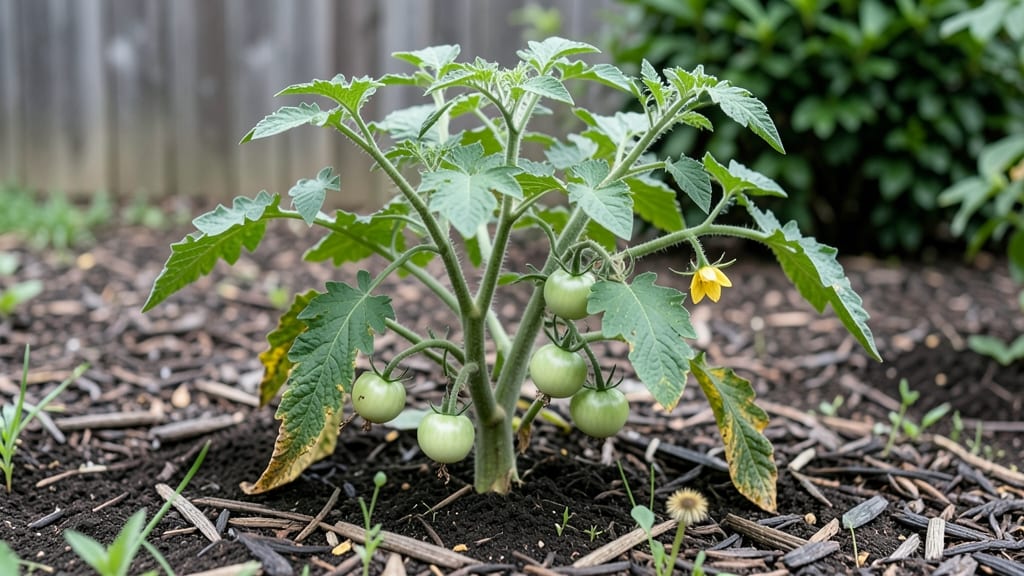
Victory garden plants aren't just about growing food—they're about reclaiming space and creating a fortress against pests. 🌱 I planted mine last spring after watching my neighbor's tomatoes get devoured by aphids, and within weeks, the garden transformed from a battleground to a thriving ecosystem where bugs barely showed up.
The secret lies in mixing high-yield crops like tomatoes and beans with pest-repelling herbs—basil, marigolds, and dill—and flowers like nasturtiums that act as natural decoys.
My zucchini plants now grow so vigorously that squash bugs can't find a foothold, and the basil keeps mosquitoes at bay while I harvest fresh leaves for cooking. It's not just about what you grow; it's about how you arrange it.
By summer's end, you'll have a garden that feeds you, confuses pests, and even improves soil health through natural rotations. The scent of fresh herbs mingling with ripe tomatoes creates an atmosphere that feels like a victory in itself—every bite tastes better knowing you grew it without chemicals.
The best part? This system works in raised beds, containers, or even small urban plots.
Modern victory gardens aren't about wartime necessity; they're about resilience and connection. Whether you're growing for your family or your community, these plants create a self-sustaining cycle that keeps giving back. Let's build one that thrives—and keeps the bugs at bay.
📚 In This Guide
- What you need
- Instructions
- Tips and common mistakes
- Wrapping up and next steps
What you need
- ● Seeds or seedlings: 1 pack basil (10–15 seeds or 3–5 plants)
- ● 1 pack marigolds (20–30 seeds or 5–10 plants)
- ● 1 pack nasturtiums (15–20 seeds or 3–5 plants)
- ● 1 pack dill (10–12 seeds or 2–3 plants)
- ● 1 pack garlic (5–10 cloves or 3–5 plants)
- ● 1 pack chives (5–8 plants or seeds)
- ● 1 pack rosemary (3–5 plants or seeds)
- ● Soil: 1–2 bags high-quality potting mix (10–15 cubic feet) or compost-enriched garden soil (for in-ground planting).
- ● Containers or garden space: 5–10 5–7 gallon pots (for herbs and small plants) or
- ● 1 4’x8’ raised bed (for larger setups).
- ● Tools: 1 hand trowel (for planting seeds)
- ● 1 pruners (for trimming)
- ● 1 watering can (with a rose attachment) or hose with a gentle spray nozzle
- ● 1 garden gloves (to protect your hands)
- ● 1 measuring tape (for spacing plants).
- ● Organic pest control: 1 bottle neem oil or spinosad spray (for stubborn pests).
- ● Mulch: 1 bag straw or wood chips (to retain moisture and suppress weeds).
- ● Fertilizer: 1 slow-release organic fertilizer (like compost or worm castings).
- ● Companion plant markers: Small stakes or labels to track your pest-repelling lineup! 🌿
Step-by-Step guide to designing a pest-repelling victory garden
Here's how to create a thriving, self-sustaining garden that keeps pests away while filling your plate.
🌱 Step 1: Plan Your Pest-Repelling Layout
Start by sketching a simple 4x4-foot grid on paper. Place strong pest-repelling plants like marigolds, basil, and chives at the garden's perimeter. These act as natural barriers that deter insects before they reach your edibles. I like to position them in a checkerboard pattern—this maximizes their protective effect while creating visual interest.
Next, group your main edible crops (tomatoes, lettuce, carrots) in the center. Keep plants with similar watering needs together—this makes maintenance easier and prevents overwatering or drought stress. For example, place leafy greens like lettuce and spinach near herbs that prefer consistent moisture, while root crops like carrots and radishes can share space with drought-tolerant plants.
🌿 Step 2: Plant Companion Crops for Natural Defense
Use the 4 plants per serving concept to interplant companions that boost each other's health. For instance, pair tomatoes with basil—this combo improves flavor and deters whiteflies. Plant nasturtiums around the edges of your garden; their peppery scent repels aphids and squash bugs while attracting beneficial predators like ladybugs.
Add garlic and onions to the corners of your plot. Their strong aroma confuses pests and masks the scent of your edibles. I always plant a few dill or fennel plants near cabbage families—they attract parasitic wasps that control cabbage worms naturally. Space these strategically so their fragrance spreads evenly throughout the garden.
💧 Step 3: Water Strategically to Strengthen Plants
Water deeply once every 3-4 days at the soil base rather than overhead. This encourages strong root systems that make plants more resilient to pests. I use a soaker hose to deliver moisture slowly—it keeps leaves dry, reducing fungal diseases that attract pests like slugs and snails.
Water in the early morning (between 6-9 AM) when evaporation is lowest. This gives plants time to absorb moisture before the heat of the day. Avoid evening watering—wet foliage overnight creates ideal conditions for fungal growth, which weakens plants and makes them more vulnerable to pests.
☀️ Step 4: Maintain Seasonal Pest Control
Inspect your garden weekly for early signs of pest activity. Look for chewed leaves, sticky residue (aphid honeydew), or tiny eggs on the undersides of leaves. If you spot trouble, introduce beneficial insects like ladybugs or lacewings—they're natural predators that will keep pest populations in check without chemicals.
Rotate crops annually to prevent soil-borne pests from establishing. If you planted tomatoes in one spot this year, move them to a different area next season. I also sprinkle crushed eggshells around plants as a physical barrier against slugs and snails—it's a free, effective way to protect young seedlings.
✂️ Step 5: Harvest and Prune for Continuous Growth
Harvest regularly to encourage new growth and prevent overcrowding. For leafy greens like lettuce, pick outer leaves first—this keeps the plant producing while giving you fresh herbs. Prune dead or yellowing foliage immediately; this improves air circulation and reduces hiding spots for pests.
Save seeds from your healthiest plants to replant next season. This preserves the strongest, most pest-resistant varieties. I always leave a few marigold flowers to go to seed—they self-sow beautifully and provide year-after-year protection for your edibles.
Tips & tricks for perfect pest-repelling victory gardens
A few clever strategies will help your garden thrive while keeping pests at bay naturally.
Plant Placement Matters: In Step 1, when arranging your 4x4-foot grid, position taller pest-repelling plants like marigolds and basil on the north side of your garden. This creates a natural windbreak that shields your edibles from flying insects while allowing sunlight to reach all plants. I've found that placing chives along the south edge works particularly well—their strong scent deters pests without competing for sunlight with your main crops.
Companion Planting Secrets: The 4 plants per serving concept in Step 2 is brilliant, but here's the thing: space your nasturtiums about 12 inches apart around the garden's perimeter. Their bright flowers attract beneficial insects while their peppery scent repels pests. I also like to interplant dill or fennel with cabbage families—just make sure to thin them to 6 inches apart so their fragrance can spread evenly without overcrowding your edibles.
Watering Wisdom: When following the 3-4 day watering schedule in Step 3, use the "finger test" to check soil moisture. Stick your finger about 2 inches into the soil—if it feels dry, it's time to water. This method helps you adjust for different soil types and weather conditions. I've also found that adding a thin layer of mulch after watering helps retain moisture and keeps soil temperatures stable, which strengthens plant resilience against pests.
Seasonal Maintenance: During your weekly inspections in Step 4, pay special attention to the undersides of leaves where pests often hide. I carry a small magnifying glass to spot tiny eggs or early signs of infestation. If you notice aphids, spray leaves with a mixture of water and a few drops of dish soap—the soap breaks their protective coating while being completely safe for plants.
Pro Tips for Victory Garden Plants
- A few clever strategies will help your garden thrive while keeping pests at bay naturally.
- Plant Placement Matters: In Step 1, when arranging your 4x4-foot grid, position taller pest-repelling plants like marigolds and basil on the north side of your garden.
- Companion Planting Secrets: The 4 plants per serving concept in Step 2 is brilliant, but here's the thing: space your nasturtiums about 12 inches apart around the garden's perimeter.
Frequently asked questions
Got questions about growing pest-repelling edibles in your victory garden?
Here are answers to the most common ones—so you can plant with confidence!
What are the easiest pest-repelling plants to grow for beginners?
Start with marigolds (deter bugs like nematodes), basil (keeps mosquitoes away), or garlic (repels aphids and Japanese beetles). These thrive in most climates and require minimal care—perfect for new gardeners!
When is the best time to plant these companion plants?
Most pest-repelling edibles love spring (after the last frost) or early fall (6-8 weeks before your first frost). Plant fast growers like radishes in spring, while slow growers like rosemary can go in late summer for a fall harvest.
Can I grow these plants in containers or small spaces?
Bush beans, lettuce, and chives thrive in pots, while marigolds and thyme are great for hanging baskets. Just ensure containers have drainage and use lightweight soil—even a balcony can become a pest-fighting garden!
What if pests still attack my plants despite using companions?
Don’t panic! Rotate crops yearly, handpick pests early, or introduce beneficial insects like ladybugs. Sometimes, a strong spray of water or neem oil can save the day—nature’s pest control isn’t foolproof, but it’s a great start!
Are these plants safe to eat if they’re repelling pests?
Yes! Plants like basil, mint, and dill are edible and pest-repelling. Just avoid toxic companions (like pyrethrum daisies) near food crops. When in doubt, stick to kitchen-friendly herbs and veggies!
Wrapping up and next steps
Growing a victory garden isn’t just about cultivating food—it’s about empowering yourself with nature’s own pest control. By choosing the right companion plants like marigolds, basil, or nasturtiums, you create a thriving, low-maintenance ecosystem that keeps pests at bay while boosting your harvest. 🌱✨
Ready to take the next step? Start small—plant a few of these powerhouse companions in your garden or even in pots on your balcony. Watch as your garden flourishes and your green thumb grows stronger with every season!