Watering
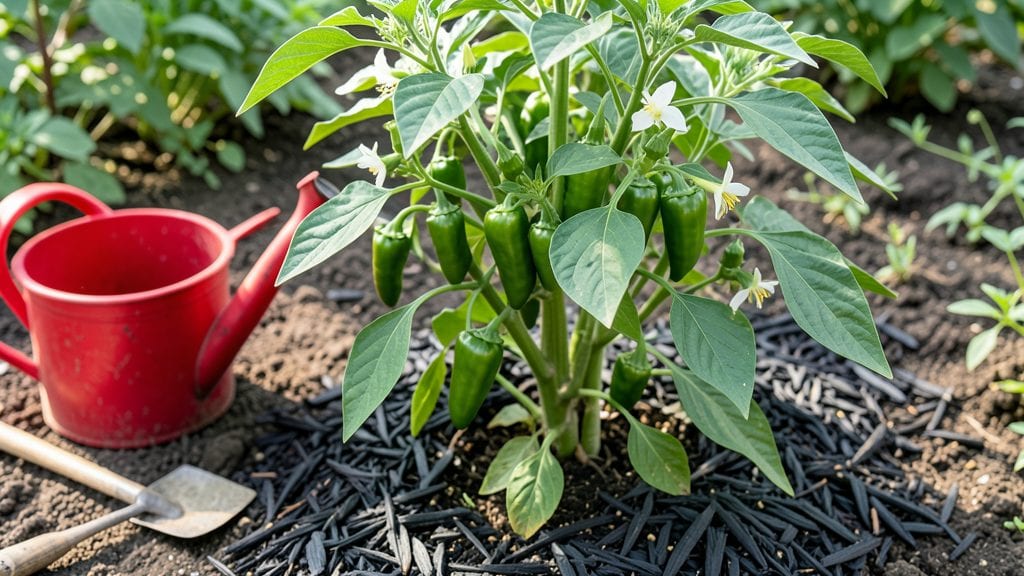
Watering jalapeno plants properly means the difference between a spicy harvest and wilted disappointment. I’ve grown these fiery peppers in containers for years, and the key is consistency—not drowning them or letting them dry out.
Too much water causes rot; too little stunts growth. The secret lies in checking soil moisture before watering and adjusting for heat, containers, and growth stages.
Start with well-draining soil in pots at least 5 gallons deep—jalapenos hate soggy roots. Water deeply when the top 1-2 inches feel dry, usually every 2-3 days in hot weather or 4-5 days when cooler.
Seedlings need less; fruiting plants crave more. A moisture meter or finger test works best—never guess. Containers dry faster than ground soil, so monitor closely.
Watch for signs: yellowing leaves mean overwatering; crispy edges signal thirst. Adjust based on your climate—dry heat demands more frequent watering than humidity. Mulch helps retain moisture, and drip irrigation keeps roots steady. By mastering this, you’ll grow bold, heat-packed peppers all season long.
This method works for container gardens, raised beds, or in-ground planting—just tweak frequency for your setup. The goal? Healthy plants that focus energy on fruit, not survival. Ready to grow peppers that pack real heat?
📚 In This Guide
- What you need
- Instructions
- Tips and common mistakes
- Wrapping up and next steps
What you need
- ● Container: At least 1 gallon (3.8L) per plant—use pots with drainage holes (5-gallon buckets or fabric grow bags work great). Pro tip: Dark-colored containers retain heat better!
- ● Potting Mix: 1 part high-quality potting soil + 1 part perlite or vermiculite (for drainage). Avoid garden soil—it compacts and holds too much moisture.
- ● Jalapeno Seeds or Seedlings: Choose dwarf or compact varieties (like ‘Early Jalapeño’ or ‘Mini Jalapeño’) for containers. Buy seeds or 4–6” seedlings from a nursery.
- ● Fertilizer: Balanced, water-soluble fertilizer (10-10-10 or 5-5-5) or slow-release granules labeled for peppers.
- ● Watering Can or Drip Irrigation: A spouted can with a fine rose prevents overwatering.
- ● Trowel or Small Shovel: For planting and mixing soil.
- ○ Mulch (Optional): 1–2 inches of straw or shredded leaves to retain moisture and suppress weeds.
- ○ Support Stakes or Cage (Optional): If your variety grows tall, add bamboo stakes or tomato cages for stability.
- ○ pH Test Kit (Optional): Ensure soil pH is 6.0–7.0—peppers thrive in slightly acidic soil.
- ○ Shade Cloth (Optional): 30–50% shade cloth for hot climates to prevent stress.
Step-by-Step instructions for watering jalapeno plants in containers
Mastering water efficiency keeps your peppers productive without drowning roots.
Establish a Watering Routine Based on Soil Conditions
Jalapenos in containers dry out faster than in-ground plants, so consistency matters. I check moisture by sticking my finger 1-2 inches deep into the soil—if it feels dry, it's time to water. Young plants need every 2-3 days, while mature ones can stretch to every 5-7 days depending on heat and humidity.
Use the 3-inch rule: Wait until the top 3 inches of soil feel dry to the touch before watering again. Overwatering is the fastest way to lose plants, especially in containers where roots have no room to escape excess moisture. I always water in the early morning to let foliage dry before evening, reducing fungal risks.
Water Deeply at the Base to Encourage Strong Root Growth
Never use a gentle sprinkle—jalapenos need a deep soak to develop robust roots. Pour water slowly at the base until it runs out the drainage holes, then wait 10-15 minutes before adding more. This ensures water penetrates 6-8 inches deep, where roots actively grow.
I avoid wetting leaves to prevent disease, so I direct the stream toward the soil. A 5-gallon watering can works perfectly for my 5-gallon containers, delivering enough volume without waste. If using a hose, attach a gentle shower nozzle to control flow.
Adjust Frequency for Heat, Humidity, and Plant Age
Summer heat demands more water, but don’t assume—check soil first. In 90°F+ temperatures, I water every 3-4 days, while cooler spring/fall days may extend intervals to 5-7 days. Mature plants with thick stems handle drought better than seedlings, so I reduce frequency as they grow.
Watch for wilting leaves as your signal, but don’t wait until plants look stressed. Jalapenos show early signs of thirst by drooping slightly in the afternoon—this is the perfect time to water. Mulch with 2 inches of straw (as mentioned in your supplies) to retain moisture and reduce evaporation.
Prevent Common Watering Mistakes That Stunt Growth
I’ve seen beginners overwater by keeping containers soggy, which causes root rot. If the soil stays damp for more than 24 hours, cut back immediately. Yellowing lower leaves are the first warning sign—adjust your schedule and improve drainage if needed.
Underwatering causes blossom-end rot, where peppers develop dark, sunken patches. This isn’t a watering issue per se, but it’s often triggered by inconsistent moisture. Maintain even dampness (not soggy, not bone-dry) to prevent both extremes.
Harvest and Water Strategically for Continuous Production
Once peppers start forming, I water every 4-5 days to support fruiting. Heavy watering right before harvest (within 24 hours) keeps peppers crisp and vibrant. Avoid wetting the peppers themselves—dampness encourages mold and spoilage.
After picking, give plants a light drink if the soil feels dry. This signals the plant to focus on new growth rather than maintaining old fruit. I’ve found that consistent, deep watering after harvest keeps my jalapenos producing for weeks longer than inconsistent schedules.
Tips & tricks for thriving jalapeno plants in containers
A few strategic adjustments can transform your container-grown jalapenos from struggling survivors to prolific producers. The key lies in understanding how these plants uniquely respond to water in confined spaces.
Soil Moisture Mastery: The 3-inch rule in Step 1 is your best friend, but here's the deeper insight: container soil dries out in concentric circles from the edges inward. To get an accurate reading, insert your finger at three different points—center, edge, and diagonal—before deciding to water. I've learned this the hard way after watching plants wilt from uneven moisture distribution.
Root Development Strategy: When you perform the deep soak in Step 2, extend the 10-15 minute wait period to 15-20 minutes during peak summer heat (90°F+). This extra time allows water to penetrate deeper, encouraging roots to grow toward the bottom of your 5-gallon containers where they'll find more stable moisture. The goal is to create a root system that can access water before the surface soil dries out.
Environmental Adaptation: While the instructions mention adjusting frequency for heat, humidity plays an equally critical role. In high humidity (above 70%), you can safely extend watering intervals by 1-2 days since evaporation slows dramatically. Conversely, in dry climates with low humidity, check soil moisture daily during heatwaves—even mature plants may need water every 2-3 days instead of the standard 5-7 day range.
Mulch Optimization: The 2 inches of straw mentioned in Step 3 works wonders, but here's how to maximize its effectiveness: Apply mulch immediately after watering when the soil is still damp. This creates a moisture barrier that locks in hydration while preventing the rapid evaporation that occurs when dry mulch sits on top of wet soil. Refresh the mulch layer every 4-6 weeks as it breaks down.
Pro Tips for Water Jalapeno Plants
- A few strategic adjustments can transform your container-grown jalapenos from struggling survivors to prolific producers.
- Soil Moisture Mastery: The 3-inch rule in Step 1 is your best friend, but here's the deeper insight: container soil dries out in concentric circles from the edges inward.
- Root Development Strategy: When you perform the deep soak in Step 2, extend the 10-15 minute wait period to 15-20 minutes during peak summer heat (90°F+).
Frequently asked questions
Got questions about keeping your jalapeño plants happy with minimal water? We’ve got answers!
Here are some common concerns—plus quick fixes—to help your peppers thrive without overwatering.
How often should I water jalapeño plants in containers?
Water jalapeños when the top 1-2 inches of soil feel dry—usually every 5-7 days in hot weather. Containers dry out faster than garden beds, so check daily in extreme heat. Morning watering reduces evaporation and fungal risks. Overwatering is worse than underwatering!
Can I use tap water for my jalapeño plants?
Tap water is fine for most plants, but if it’s high in chlorine or fluoride, let it sit out for 24 hours before watering. Rainwater or filtered water is ideal—jalapeños are sensitive to chemical buildup over time. Pro tip: Use a water filter if your tap water is treated heavily.
Why are my jalapeño leaves turning yellow?
Yellow leaves usually mean overwatering or poor drainage. Let the soil dry slightly between waterings, and ensure your container has drainage holes. If yellowing spreads, check for root rot—trim affected roots and repot in fresh, well-draining soil.
What’s the best alternative to watering jalapeños?
Try mulching (straw or shredded leaves) to retain moisture, or use drip irrigation for slow, consistent hydration. Grouping containers together creates a microclimate that reduces evaporation. For dry climates, water deeply once a week instead of daily shallow watering.
How do I revive an underwatered jalapeño plant?
Give it a deep soak—water until it drains from the bottom, then wait 2-3 hours before repeating. Trim wilted leaves to redirect energy. If the soil is bone-dry, soak the pot in a tray of water for 15 minutes. Prevent future stress by monitoring soil moisture and adjusting watering schedules.
Wrapping up and next steps
Growing jalapeño pepper plants in containers with minimal water isn’t just possible—it’s rewarding! 🌱 With the right soil, smart watering techniques, and a dash of patience, you’ll enjoy a bountiful harvest of fiery peppers. Remember, consistency is key, whether you’re using the soak-and-dry method or self-watering pots.
Ready to take the next step? Start by monitoring your plants’ progress—adjust watering as they grow—and soon, you’ll be sharing your homegrown jalapeños with friends (or turning them into spicy salsa!). 🌶️🔥